
Saint George’s, Grenada

Ra's Travel Guide to Saint George's
The capital of Grenada is known for its colorful buildings and delicious nutmeg; the ultimate travel guide to Grenada.
Travel Guide to St. George's- Key Highlights
- A capital city that actually feels worth your time, not just a stop on the way to the beach.
- The Carenage waterfront is one of the most atmospheric in the Caribbean, especially at golden hour.
- A rare blend of colonial architecture, everyday island life, and vibrant local culture.
- Easy access to both city experiences and nearby beaches like Grand Anse Beach.
- A sensory experience, from spice markets to ocean views to hillside forts overlooking the harbor.
Visit St. George's, Grenada
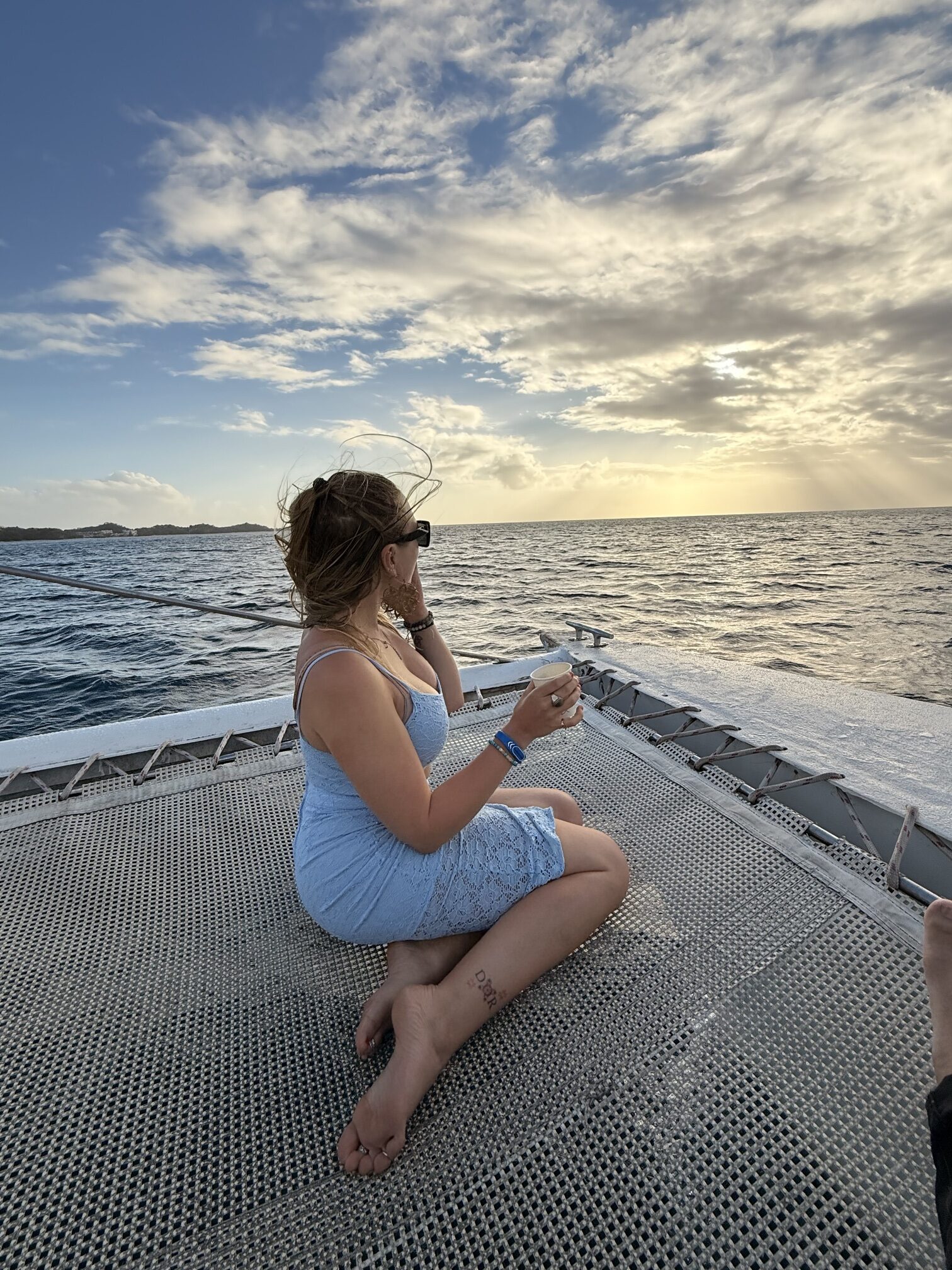
I did not expect to fall so completely in love with a capital city. Walking along the waterfront as the afternoon light catches the candy-colored buildings reflected in the harbor, wandering up the hill to Fort George, and watching the boats come and go far below, stumbling into a spice market that smells like the inside of a bakery. Yes, the beaches are extraordinary. But do not skip the capital to get there. Use this travel guide to St. George's to plan your time in Grenada's spirited, beautiful heart.
Discover St. George's
When to Visit St. George's
The best time to visit St. George’s is between December and April, during Grenada’s dry season. This is when you will get the most reliable sunshine, lower humidity, and calm sea conditions, making it ideal for beaches, boat trips, and exploring the island. It is also peak season, so expect higher prices and more visitors, especially around holidays.
If you are looking for a balance between good weather and fewer crowds, May and early June can be a great sweet spot. The island is still lush and vibrant, and you may find better accommodation deals.
The rainy season runs from June to November, with short, heavy tropical showers rather than constant rain. Travel is still very possible during this time, and the island feels quieter and more local. Just be aware that this period overlaps with hurricane season, although Grenada sits on the southern edge of the Caribbean and is less frequently impacted than other islands.
Safety Tips for Visiting
St. George’s is widely considered one of the safer and more relaxed capitals in the Caribbean. The atmosphere is friendly, and most travelers find it easy to settle in quickly. That said, a little awareness goes a long way.
- Stay aware in quieter areas at night
The city center and the Carenage feel safe and active during the day, but like anywhere, it is best to avoid poorly lit or unfamiliar areas after dark. - Use licensed taxis
Taxis are regulated and reliable. Confirm your fare before starting your trip and, if possible, use drivers recommended by your accommodation. - Keep valuables secure
Petty theft is uncommon but can happen. Carry only what you need for the day and keep an eye on your belongings, especially in busy areas like Market Square. - Be mindful at the beach
Beaches like Grand Anse Beach are generally safe, but avoid leaving belongings unattended and pay attention to local swimming conditions. - Respect local culture
Grenada has a laid-back but respectful culture. Dressing appropriately in town and being polite in interactions will go a long way.
How to Get to St. George's, Grenada
Getting to St. George’s is refreshingly simple, which is part of its appeal. Whether you are arriving internationally or moving around the island, everything feels close and manageable. The capital sits just a short drive from the airport and is well connected to the rest of Grenada, making it an easy starting point for your trip.
Plane
Most travelers arrive via Maurice Bishop International Airport, located about 10 minutes from St. George’s and even closer to Grand Anse Beach.
- From the United States: Direct and connecting flights take around 4 to 5 hours from the East Coast
- From Canada: Direct flights from Toronto take about 5 to 6 hours
- From the United Kingdom: Flights typically take 9 to 10 hours, often with a connection
Once you land, taxis are the main way to reach the city. Fares are government-regulated, so pricing is consistent. Expect to pay around $15 to $25 USD, depending on your exact destination. There are no rideshare apps, so taxis and hotel transfers are the most reliable options.
Water Taxi
If you are staying near Grand Anse Beach, one of the most enjoyable ways to reach St. George’s is by water taxi.
- Boats run between the beach and the Carenage
- The ride takes about 10 to 15 minutes
- Fares are usually around 10 EC dollars, or just a few USD
It is not just transportation, it is part of the experience, with views of the coastline and harbor that you will not get from the road.
Bus
Public minibuses connect St. George’s to other parts of Grenada and are the most affordable way to travel.
- Depart from the Melville Street Bus Terminal in the city
- Fares are typically just a few Eastern Caribbean dollars
- Service is frequent during the day but limited in the evenings and on Sundays
They are a great option if you want a local experience, but less ideal if you are on a tight schedule.
Car
Taxis are the primary way to get from the airport into St. George’s and around the island in general. They are easy to find just outside arrivals at the airport, and drivers are usually friendly and knowledgeable about the area.
- Travel time to the city center is typically 10 to 15 minutes
- Fares are fixed, but it is always a good idea to confirm before starting your trip
- Many hotels can arrange private transfers in advance if you prefer a smoother arrival
When I visited St. George's, our resort was located not too far from St. George's. To get to and from the parish, we hired a taxi to take us to and from the downtown area. We were able to pay by cash or card.
For efficient route planning, cost evaluation, and consideration of various transportation methods, I often rely on Rome2rio. This invaluable tool provides comprehensive information, offering insights into possible route combinations and suggestions for strategic stops along the way, ensuring a tailored and well-informed travel experience. Link to Rome2rio
Where to Stay in St. George's
Most visitors base themselves near Grand Anse Beach rather than in the city center itself, and it makes sense once you arrive. This stretch of coastline has the highest concentration of hotels, restaurants, and amenities, while still being just 10 minutes from the heart of St. George’s by taxi or water taxi. Where you stay here really comes down to the kind of trip you want, whether that is beachfront luxury, boutique charm, or something quieter and more local.
Grand Anse Area: Best for Beaches and First-Time Visitors
This is the main hub for travelers and where you will find the widest range of accommodation types, from high-end resorts to accessible mid-range hotels. It is ideal if you want to be steps from the beach with everything you need nearby.
- Luxury Resorts ($600+ per night):
Silversands Grenada: sleek, modern, and home to one of the longest infinity pools in the Caribbean
Spice Island Beach Resort: classic Caribbean luxury with an all-inclusive feel and exceptional service - Mid-Range Hotels ($150–$300 per night):
Allamanda Beach Resort: laid-back, beachfront, and great value for location
Radisson Grenada Beach Resort — reliable, spacious, and directly on Grand Anse - Budget-Friendly Options ($80–$150 per night):
Smaller guesthouses and apartments just off the beach, offering simple, comfortable stays within walking distance of everything
Morne Rouge / BBC Beach Area: Best for Quiet Beach Escapes
Just south of Grand Anse, Morne Rouge Beach offers a quieter, more relaxed alternative. The water here is often calmer, and the atmosphere feels more low-key and local.
- Boutique and Mid-Range Hotels ($150–$400 per night):
Laluna Boutique Hotel & Villas — secluded, romantic, and design-forward with a strong sense of privacy
Mount Cinnamon Resort — hillside villas with beach access and sweeping views - Villas and Apartments ($120+ per night):
A great option if you want more space, especially for longer stays or a more independent experience
St. George’s City Center: Best for Culture and Walkability
Staying in the capital itself gives you immediate access to the Carenage, Market Square, and historic sites. It is less about beach lounging and more about being immersed in the rhythm of daily life.
- Boutique Hotels and Inns ($120–$250 per night):
Bay House Grenada — perched above the harbor with incredible views and a more intimate feel
The Flamboyant Hotel and Villas — slightly outside the center but still convenient, with a mix of hotel rooms and villas - Guesthouses ($80–$150 per night):
Small, locally run properties offering a more personal stay, often with great views and easy access to the city’s main attractions
Keep in mind you will need to take a taxi or water taxi to reach beaches like Grand Anse Beach.
Accommodation in St. George’s and the surrounding areas spans everything from simple guesthouses to world-class resorts. Budget travelers can find stays starting around $80 to $100 USD per night, mid-range options typically fall between $150 and $300, and luxury properties can easily exceed $600 per night.
If you are visiting during peak season from December to April or during Spicemas in August, it is worth booking well in advance. The island may feel laid-back, but the best places to stay fill up quickly.
When I visited St. George's, I stayed at the True Blue Resort, which was a nice, local-feeling, and budget-friendly. They had several pools, an airport shuttle, and a free shuttle to and from Grand Anse Beach. The resort is also a hot spot on the island for their Street Food Wednesdays.
Guides to Grenada
Getting Around St. George's, Grenada
Car
Watertaxi
One of the great small pleasures of Grenada. Brightly painted wooden boats run regular routes between St. George's and Grand Anse Beach for around 10 EC dollars each way, under $4 USD. It is scenic, affordable, and a genuinely lovely way to travel. Ask at the Carenage waterfront for the water taxi dock.
Minibuses
Minibuses run routes across the island from Melville Street Bus Terminal in St. George's and are extremely affordable. They are the way locals get around and a genuine local experience. However, service ends early in the evenings and is very limited on weekends and Sundays. Not ideal if you need to get somewhere at a specific time.
Taxi
Taxis are the most convenient way to get around and operate on government-fixed rates. The Grenada Taxi Association (GTA) runs licensed, trained drivers who are reliable and knowledgeable. Always ask if your driver is GTA-registered. They are vetted and recommended. Confirm the price before departure and carry EC dollars or small USD bills for payment.
Walking
St. George's city center is very walkable, and exploring it on foot is the best way to experience its charm. The Carenage, Market Square, Fort George, the National Museum, and the House of Chocolate are all within a comfortable stroll of each other. Wear comfortable shoes. The city is hilly, and some of the streets are steep.
What to Do in St. George's, Grenada?
Grenada is the kind of destination that rewards curiosity. Beyond the postcard-perfect beaches, the island unfolds into rainforest trails, hidden waterfalls, spice plantations, and vibrant coastal towns like St. George's. Whether you are snorkeling through the otherworldly Moliniere Underwater Sculpture Park, hiking through lush landscapes, or simply following the scent of nutmeg through a local market, what to do here is less about checking off sights and more about experiencing the island as it reveals itself to you.
The Carenage
The Carenage is the beating heart of St. George's, a horseshoe-shaped inner harbor that has served as a safe anchorage for sailors and traders for over 300 years. The promenade wraps around the water's edge, lined with brightly painted colonial-era buildings, seafood restaurants, shops, and cafes. Sit down with a coffee and watch the boats come and go, the fishermen unloading their catch, the water taxis loading up passengers. It is the most alive and atmospheric stretch of waterfront in the entire Caribbean. Come in the morning for the quietest experience or in the late afternoon for the best light on the water.
Fort George
Built by the French in 1705 and later taken over by the British, Fort George sits on a promontory above the harbor's western entrance with sweeping panoramic views over St. George's, the Carenage, and the Caribbean Sea beyond. The fort has a complicated history. It was the site of the tragic events of 1983 when Prime Minister Maurice Bishop was assassinated during a political coup. Today visitors can walk the fort's grounds freely, examine the old cannons still pointed toward the harbor, and take in some of the best views on the island. There is a small entry fee, but it is absolutely worth it for those views alone.
Market Square
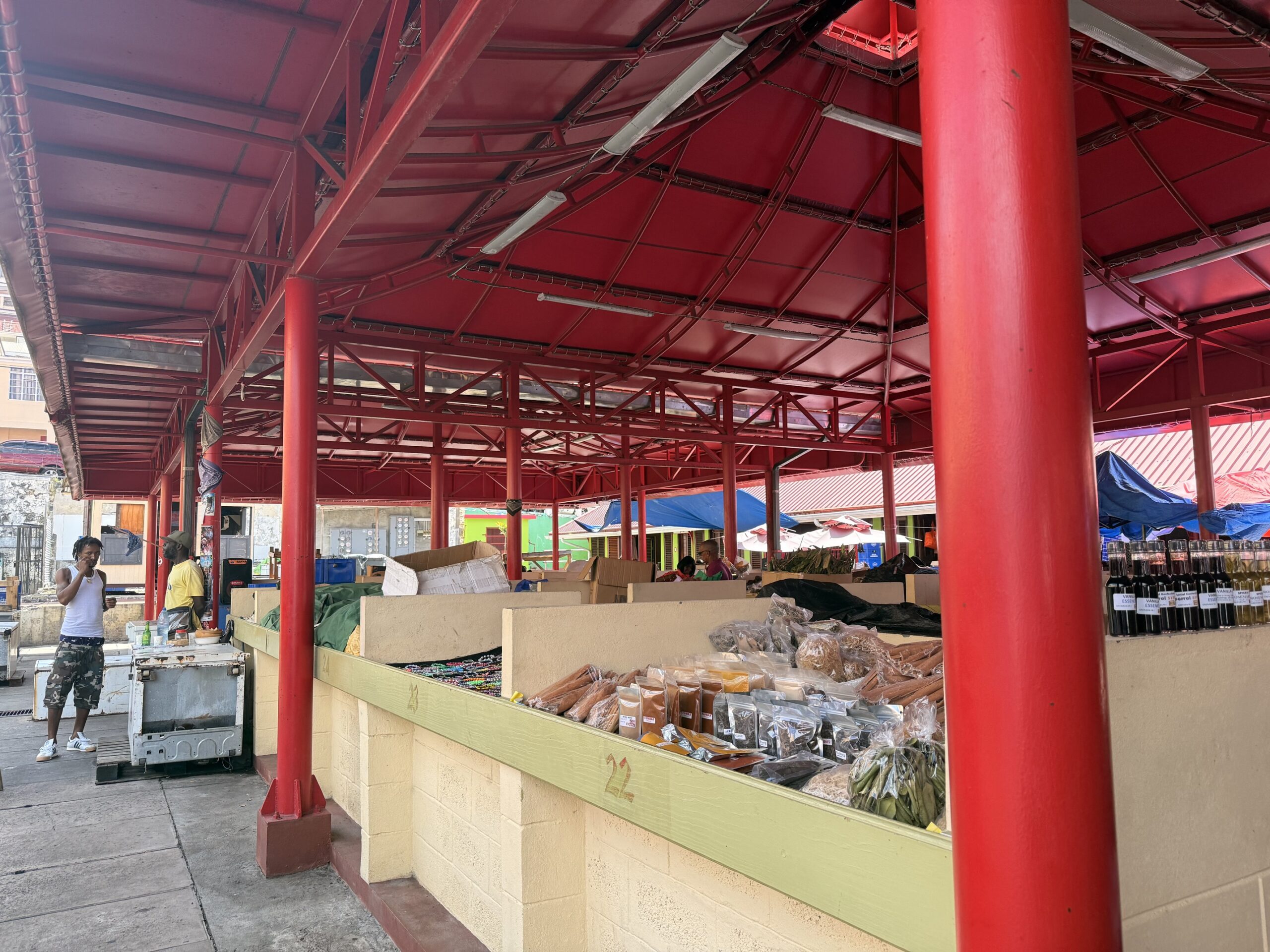
St. George's Market Square is one of the most fragrant places on earth. The covered market at the heart of the city is where farmers and vendors from across the island bring fresh produce, spices, fruit, and handcrafted goods. Saturday morning is the best time to visit when it is at its most vibrant and fully stocked. You can buy whole nutmegs, cinnamon sticks, bay leaves, saffron, turmeric, and local spice blends directly from the vendors who grow them. The prices are excellent, and the experience is genuine. Even if you are not shopping, just walking through and breathing it all in is worth the trip.
Moliniere Underwater Sculpture Park
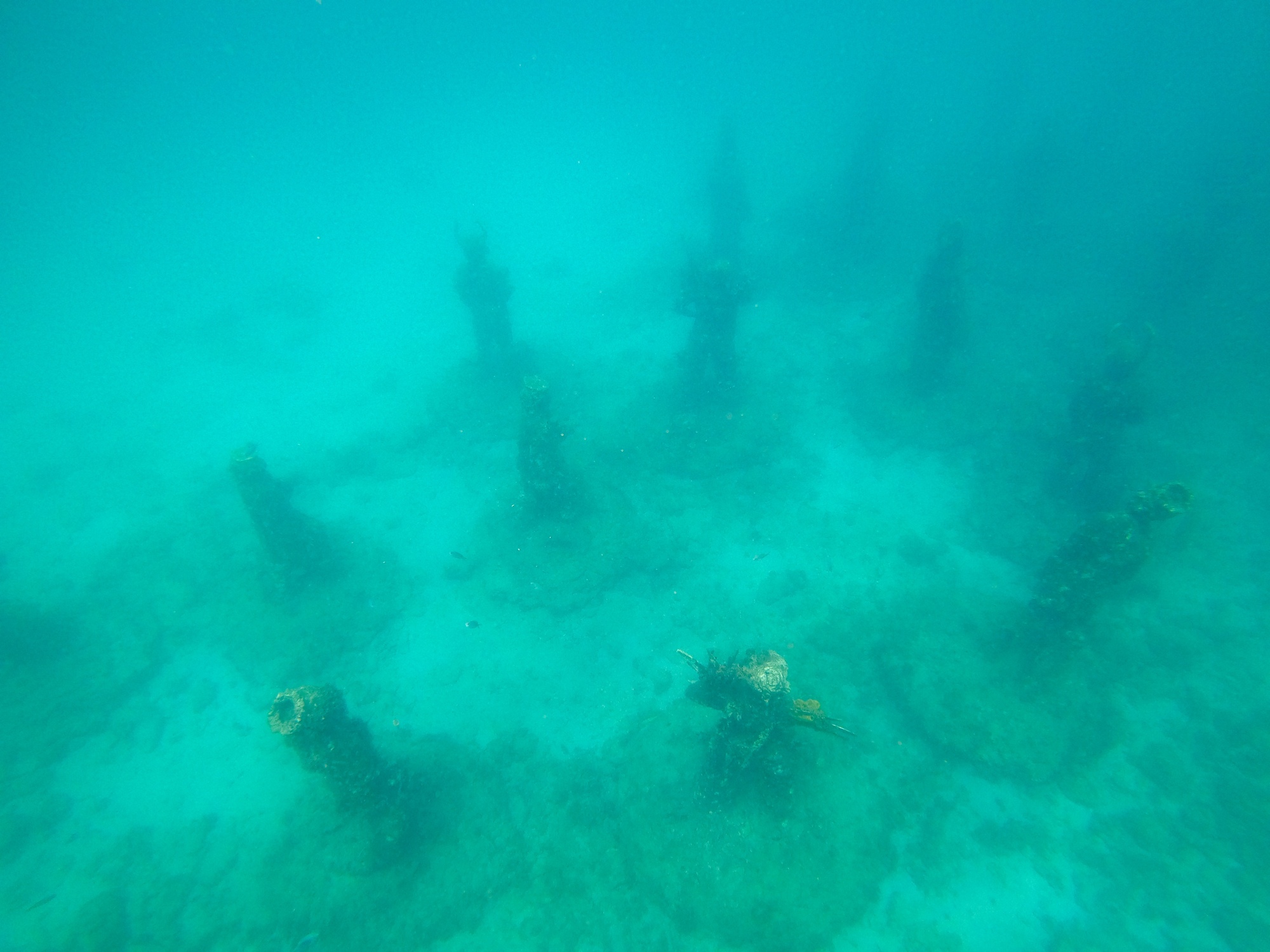
This is one of the most unique attractions in the entire Caribbean and an absolute must. Created by British sculptor Jason deCaires Taylor in 2006, the Moliniere Underwater Sculpture Park consists of over 100 life-size concrete sculptures installed on the seafloor of Moliniere Bay, just north of St. George's. The park was created to relieve pressure on the nearby natural reefs by drawing divers and snorkelers to an artificial environment, and over the years, the sculptures have become encrusted with coral and colonized by marine life, creating something genuinely otherworldly. I swam through it on a snorkeling tour, and it was one of the most remarkable things I have ever experienced. The figures include the famous Ring of Children, a reporter at his desk, a woman on a bench, and the Christ of the Abyss. Accessible by snorkeling tour, scuba dive, or glass-bottom boat.
Grenada National Museum
A small but well-curated museum housed in a former French barracks and prison dating from 1704. The collection covers Grenada's history from the pre-Columbian Arawak and Carib peoples through the French and British colonial periods, slavery and emancipation, independence, and the 1983 revolution and US intervention. There is also a fascinating exhibit on the island's spice heritage and a beautiful old bathtub that reportedly belonged to Empress Josephine of France, who was born on nearby Martinique. Open Monday to Friday, 9 am to 4:30 pm. Admission is very affordable.
House of Chocolate
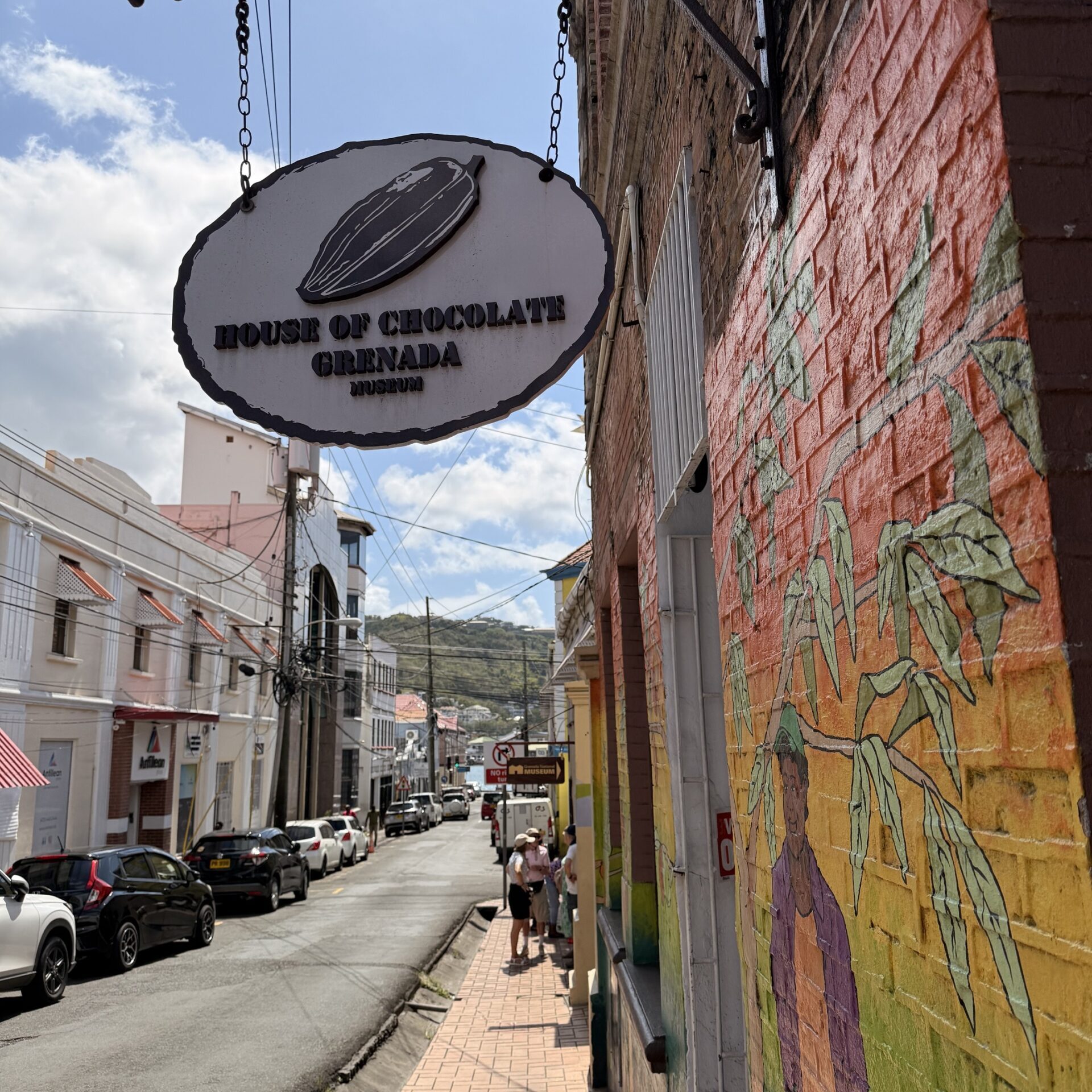
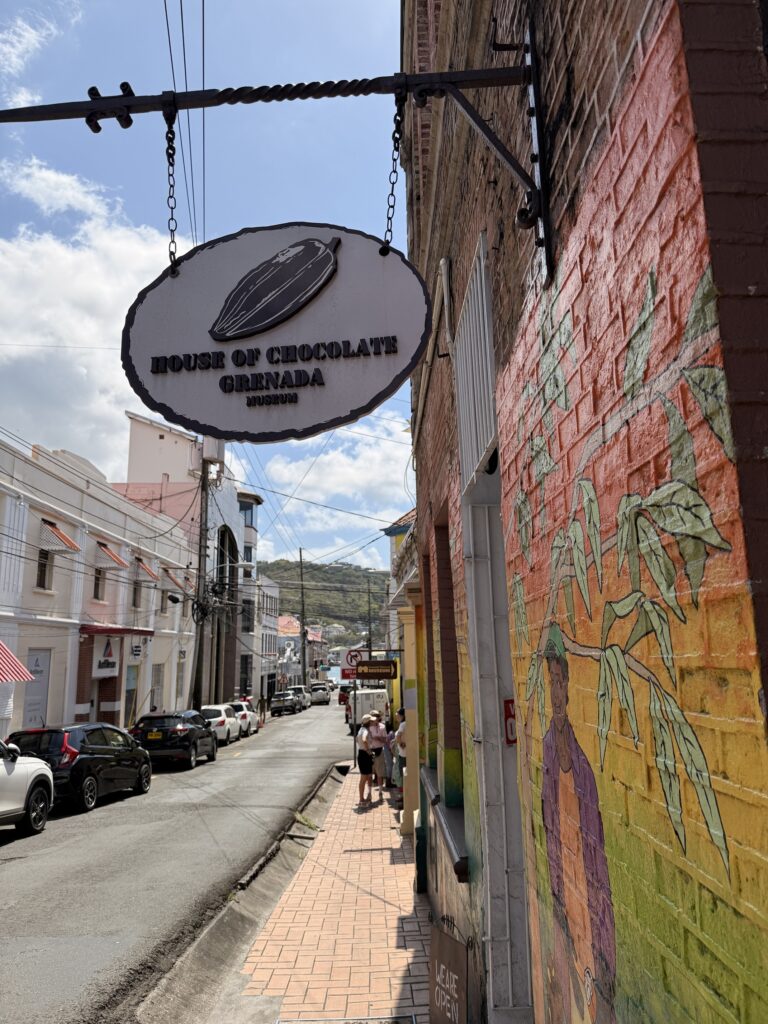
Part museum, part chocolaterie, part cafe, the House of Chocolate on Young Street in St. George's is a beautifully designed space dedicated to Grenada's extraordinary cocoa heritage. Learn about the history of chocolate on the island, from the French introduction of cacao trees in 1714 through the colonial plantation era and the modern artisan chocolate movement. Then eat all the chocolate. The hot cocoa tea, the chocolate truffles, and the bars infused with local nutmeg are exceptional. It is a great first stop before doing a full factory tour at Jouvay or Belmont Estate in the parishes.
Fort Frederick
A short drive from Fort George on Richmond Hill, Fort Frederick is a less-visited but equally rewarding colonial fort with dramatic views over St. George's from the opposite hillside. Built by the French and completed by the British, the fort played a role in the 1983 events as the location from which General Hudson Austin announced his military coup over the radio. The combination of history and panoramic views makes it worth the trip, especially if you can catch it in the late afternoon light.
Sendall Tunnel
One of St. George's more unusual and slightly eerie landmarks is a Victorian-era pedestrian tunnel carved through solid rock that connects the Carenage waterfront to the Esplanade on the other side of the hill. It is short, dimly lit, and completely unexpected. A quick walk through it is one of those small local experiences that travel blogs rarely mention but that locals use every day.
Grand Etang National Park
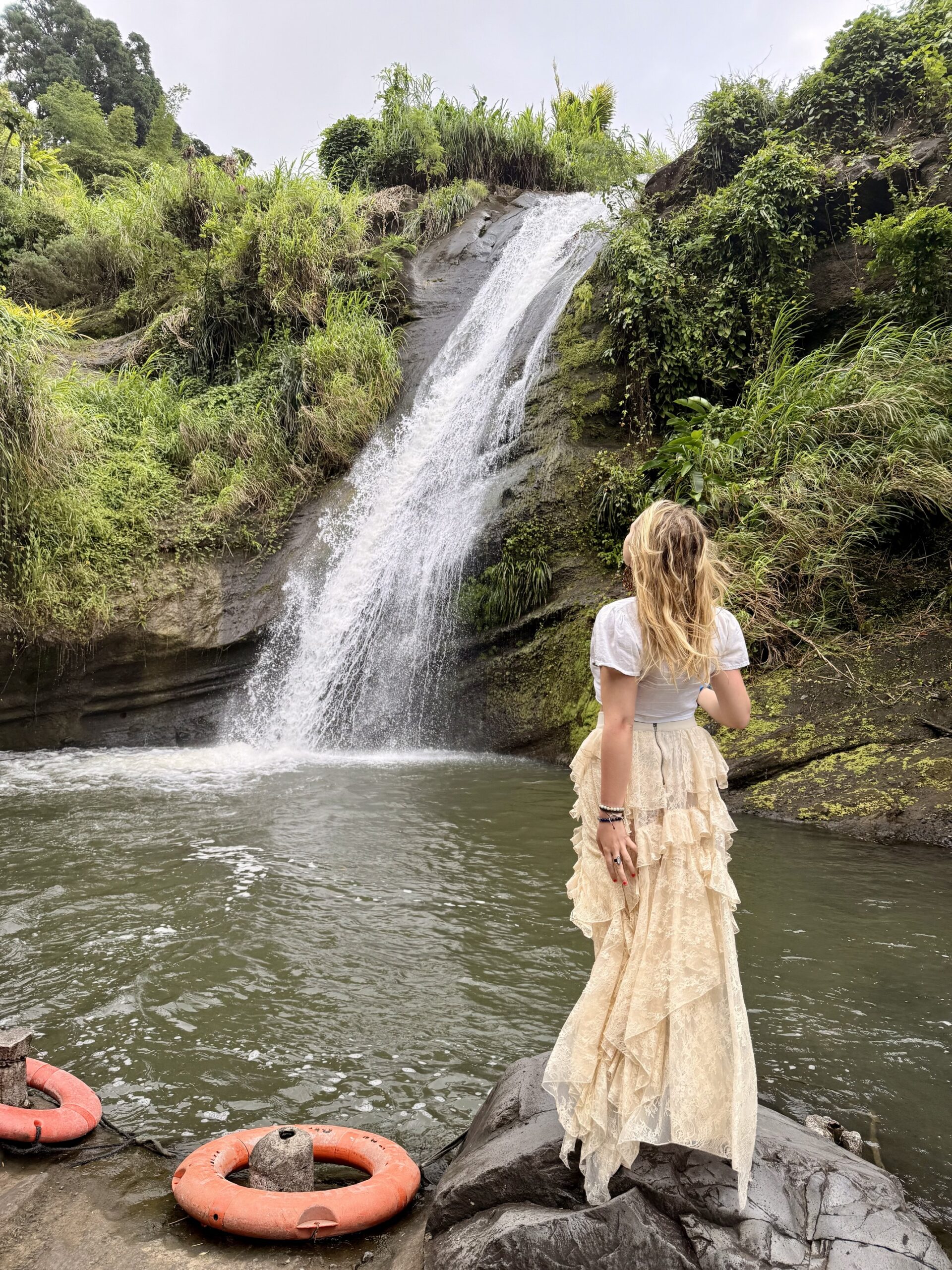
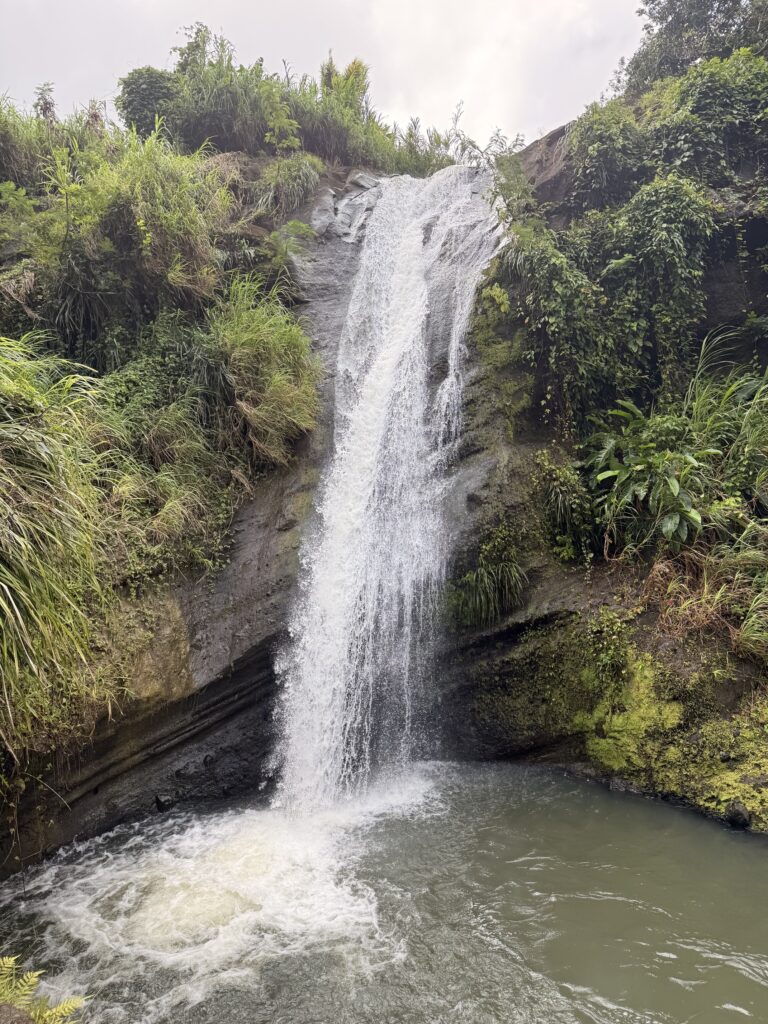
A 30-minute drive from St. George's through breathtaking mountain scenery, Grand Etang is a rainforest reserve centered on a serene volcanic crater lake. The park is home to Mona monkeys, exotic birds, armadillos, and one of the most lush, verdant landscapes you will encounter anywhere in the Caribbean. Hiking trails lead through the forest to viewpoints and to Seven Sisters Falls, a series of cascading waterfalls with natural pools perfect for swimming. Concord Falls, slightly more accessible, is another gorgeous option. A full day up in the mountains feels like a completely different world from the coast.
Gouyave: Fish Friday
About 30 minutes north of St. George's along the west coast, the fishing village of Gouyave comes alive every Friday evening for what is widely considered the best street food experience in Grenada. Fish Friday is exactly what it sounds like fresh grilled fish, fried fish, fish cakes, conch, and a carnival atmosphere of music, local vendors, rum punch, and Grenadians of all ages gathering on the waterfront. The Gouyave Nutmeg Processing Station nearby is also worth a visit during the day to see how the island's most famous spice moves from the tree to the world.
Conclusion
Grenada is the kind of place that lingers with you long after you leave. It is not just the beauty of Grand Anse Beach or the color of the harbor in St. George's, but the feeling of the island itself. The slower rhythm, the warmth of the people, the scent of spices carried through the air. This is a destination that invites you to move differently, to look a little closer, and to stay a little longer than planned. If you let it, Grenada becomes more than a trip. It becomes a place you carry with you. With this travel guide to St. George's, you're sure to have an amazing trip!
Frequently Asked Questions
Is Grenada worth visiting compared to other Caribbean islands?
Yes, especially if you are looking for something that feels more grounded and less resort-driven. Grenada offers a mix of beaches, rainforest, culture, and everyday local life that feels more personal and less commercialized.
How many days do you need in Grenada?
Five to seven days is ideal to experience both the coast and the island’s interior without rushing. You will have time for beaches, waterfalls, and exploring places like St. George's at a slower, more meaningful pace.
What makes Grenada unique?
It is the balance. You can go from snorkeling at the Moliniere Underwater Sculpture Park to walking through spice markets or hiking in the rainforest, all in a single day, without it ever feeling overwhelming.
Travel Tip
Bring cash! While the resorts widely accept credit cards, many businesses are cash-only, and there are not many ATMs on the island.
My Playlist for St. George's, Grenada
"Run Wid It" by Mr. Killa
"Spicemas" by V'ghn
"Find Yuh" by Valene Nedd
"Big Drum" - Traditional Carriacou Folk Music
"Island In The Sun" by Weezer

Recommended Reads
Cultural Events and Activities in Grenada: The Ultimate Guide to the Spice Isle’s Celebrations
Cultural Events and Activities in Grenada- Key Highlights Introduction Culture in Grenada is not something you have…
Best Beaches in Grenada: A Guide to the Spice Isle’s Most Beautiful Shores
Best Beaches in Grenada- Key Highlights Introduction I spent a lot of time on Grenada’s beaches. More…
Best Places to Visit in Grenada for Travelers
Best Places to Visit in Grenada- Key Highlights Introduction One of the things I love most about…