
Grenada

Grenada
The Spice Isle: a Complete Travel Guide to Grenada.
Location
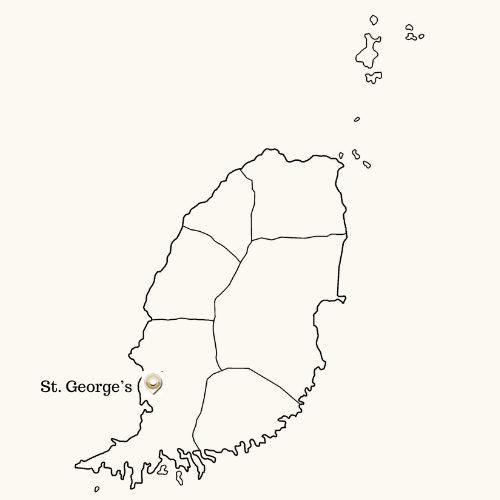
Grenada is a small island nation in the southern Caribbean, located about 100 miles north of Venezuela and just south of St. Vincent and the Grenadines. It comprises three main islands: Grenada, Carriacou, and Petite Martinique, covering a total land area of just 133 square miles. Do not let the size fool you. This place packs extraordinary variety into a very small footprint: lush rainforest, volcanic crater lakes, over 45 beaches, one of the most beautiful harbor towns in the entire Caribbean, a world-famous underwater sculpture park, working spice and cocoa plantations, and rum distilleries that have been operating since the 18th century. Use this travel guide to Grenada to plan and make the most of your trip to this extraordinary island.
What to Expect in Grenada
Languages
The official language of Grenada is English, making it exceptionally easy to navigate as an English-speaking visitor. Most Grenadians also speak a local Creole dialect influenced by French, English, and African linguistic traditions. You may hear it in markets and among locals. In tourist areas, everyone speaks English clearly and warmly.
Currency
The official currency is the Eastern Caribbean Dollar (XCD). The good news is that US dollars are widely accepted almost everywhere on the island. However, it is important to note that a lot of the island is majorly cash only, and there are not a lot of ATMs widely available. Credit and debit cards are accepted at most hotels, mid-range restaurants, and larger shops. A quick tip: when you pay in USD, you will typically get change back in Eastern Caribbean dollars.
Outlets
Grenada uses Type G electrical outlets, the same three-pronged rectangular plug used in the UK and many Commonwealth countries. The voltage is 230V at 50Hz.
Transportation
Getting around Grenada requires a bit of planning. The most flexible option is renting a car, but be warned that roads outside of St. George's are narrow, winding, and mountainous, and you will be driving on the left side of the road. You also need to purchase a local driving permit (around $12 USD) on top of your home driver's license. Taxis are widely available and use fixed government-set rates. Always confirm the fare before you get in. Public minibuses also run routes across the island on weekdays, though service ends early in the evening and is limited on weekends.
Safety
Grenada is one of the safest islands in the Caribbean, and I genuinely felt comfortable and at ease throughout my time there. The island has a warm, friendly culture and violent crime against tourists is rare. The main things to be mindful of are standard travel-savvy practices: do not leave valuables unattended on the beach, avoid isolated areas after dark, use registered taxis or hotel-arranged transportation rather than accepting rides from strangers, and keep your belongings secure in crowded areas like markets. One thing worth noting: Sunday on the island is very quiet. Grenada is a deeply religious country, and many businesses, shops, and restaurants close on Sundays. Plan accordingly and lean into the slower pace. It is actually a lovely day to be on the beach.
Important Note: Camouflage
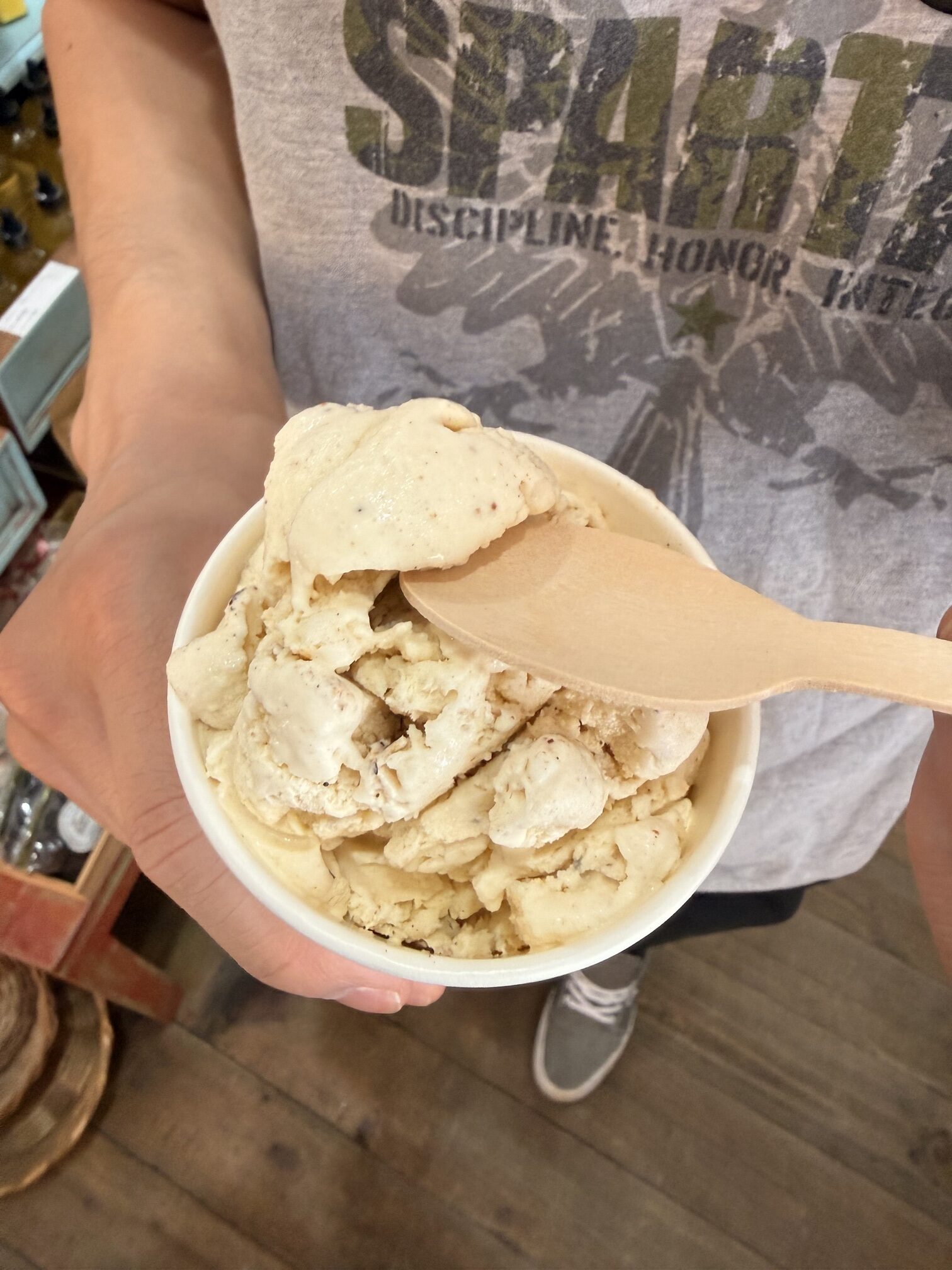
It is illegal in Grenada for anyone, adults and children alike, to wear camouflage clothing or carry camouflage-patterned items. This is a firm national law, and enforcement is real.
My Favorite Memories
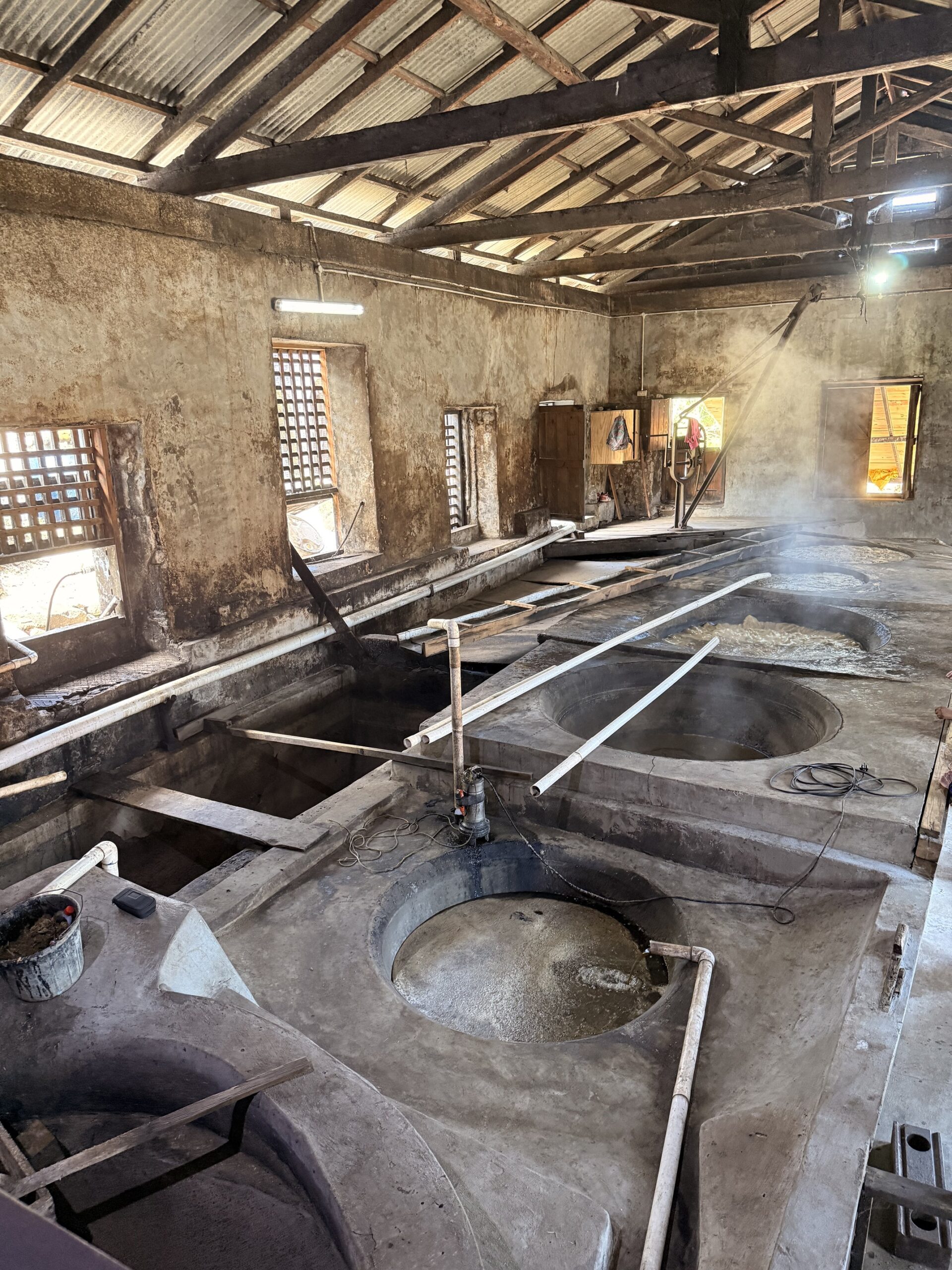
Celebrating my birthday by visiting a rum distillery and learning about the island's rum production process.
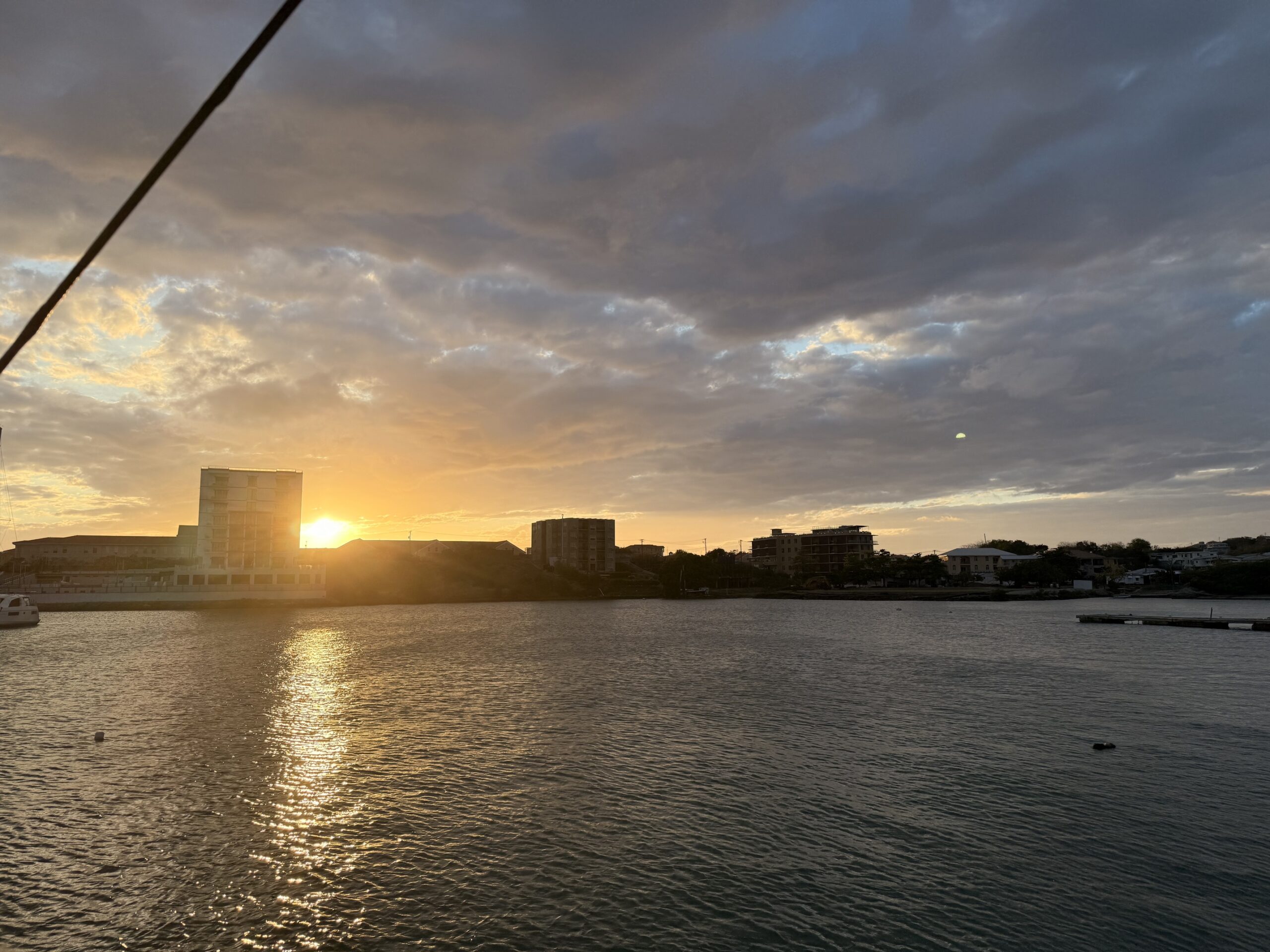
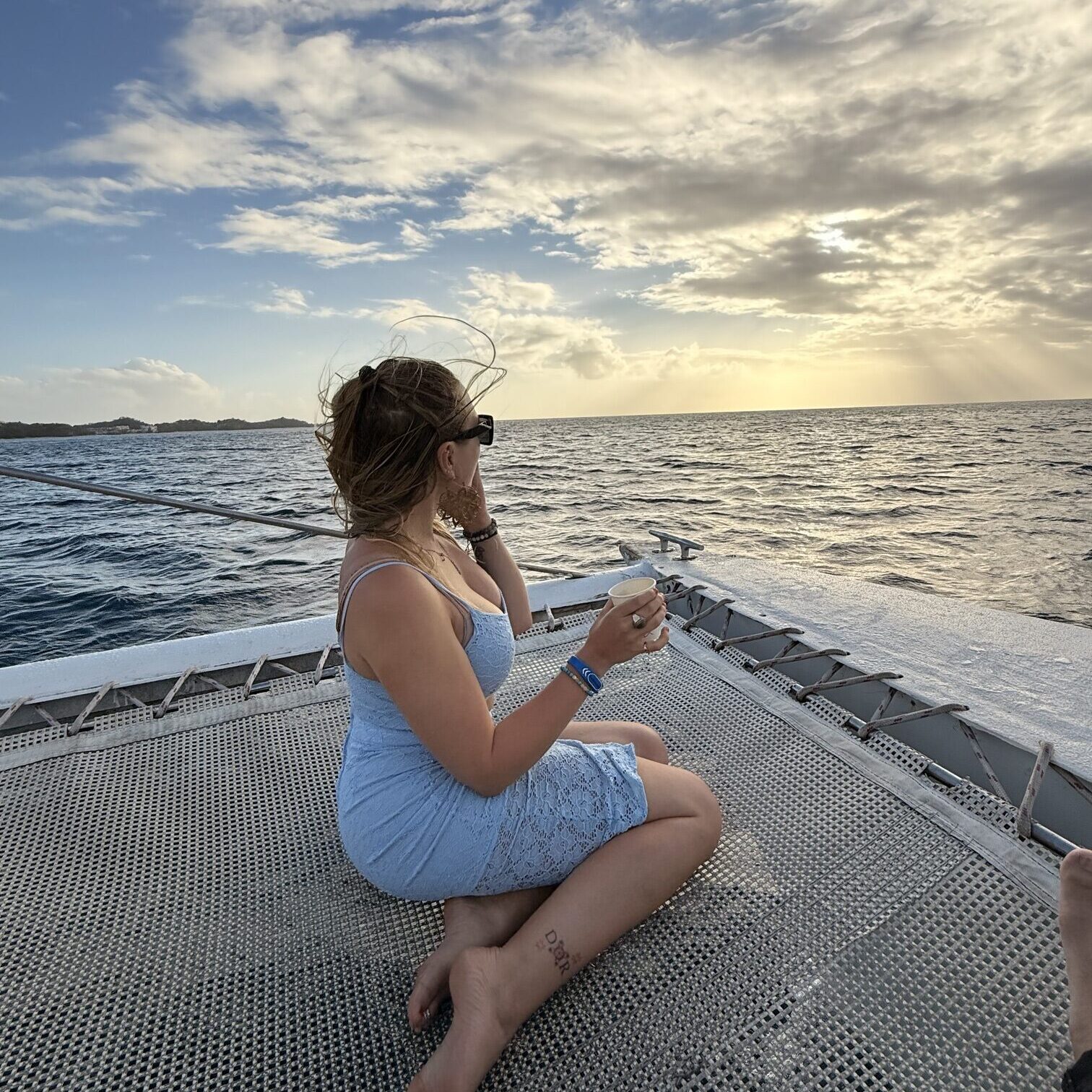
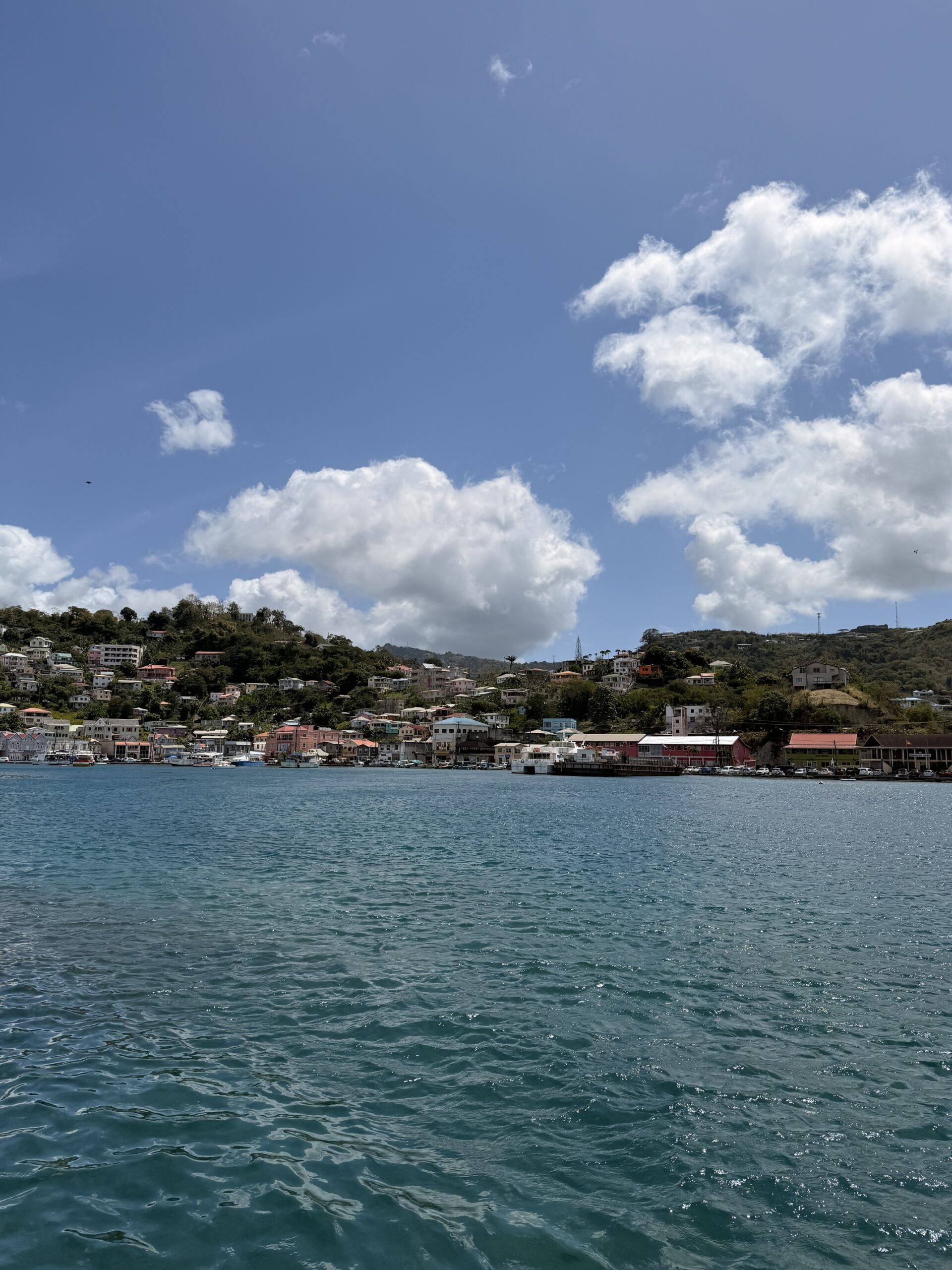
Embarking on a sunset cruise around St. George.
Highlight Posts
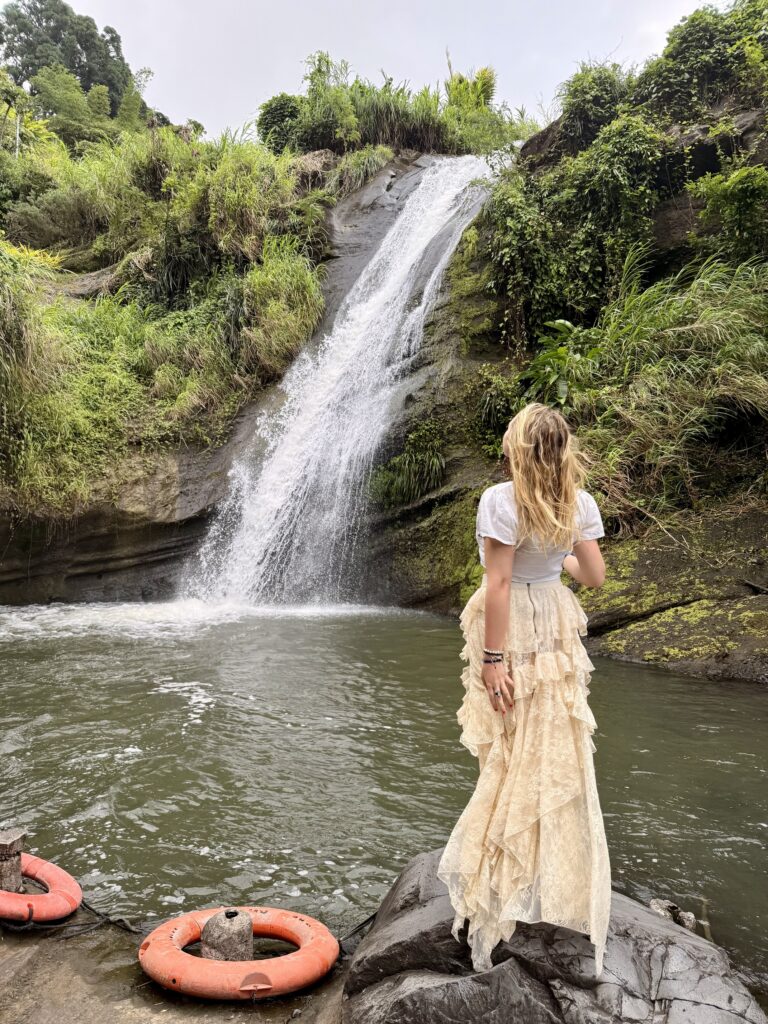
Safety Tips for Traveling in Grenada: What You Need to Know Before You Go
Safety Tips for Traveling in Grenada: What You Need to Know Before You Go- Key Highlights Introduction…
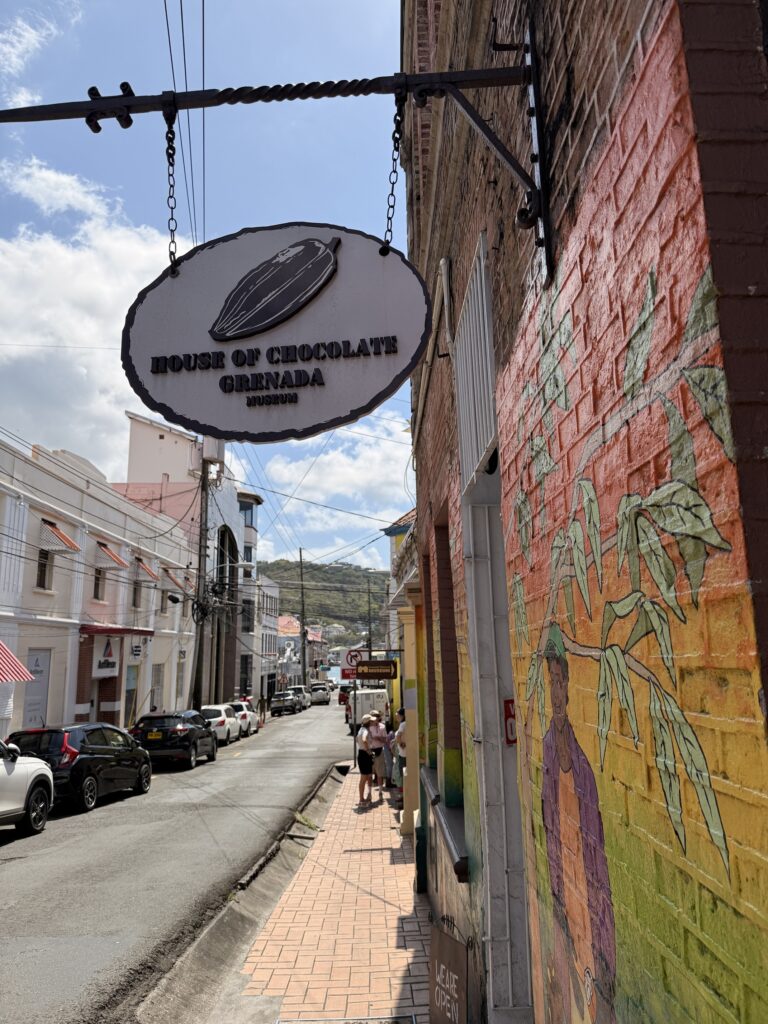
Cultural Events and Activities in Grenada: The Ultimate Guide to the Spice Isle’s Celebrations
Cultural Events and Activities in Grenada- Key Highlights Introduction Culture in Grenada is not something you have…
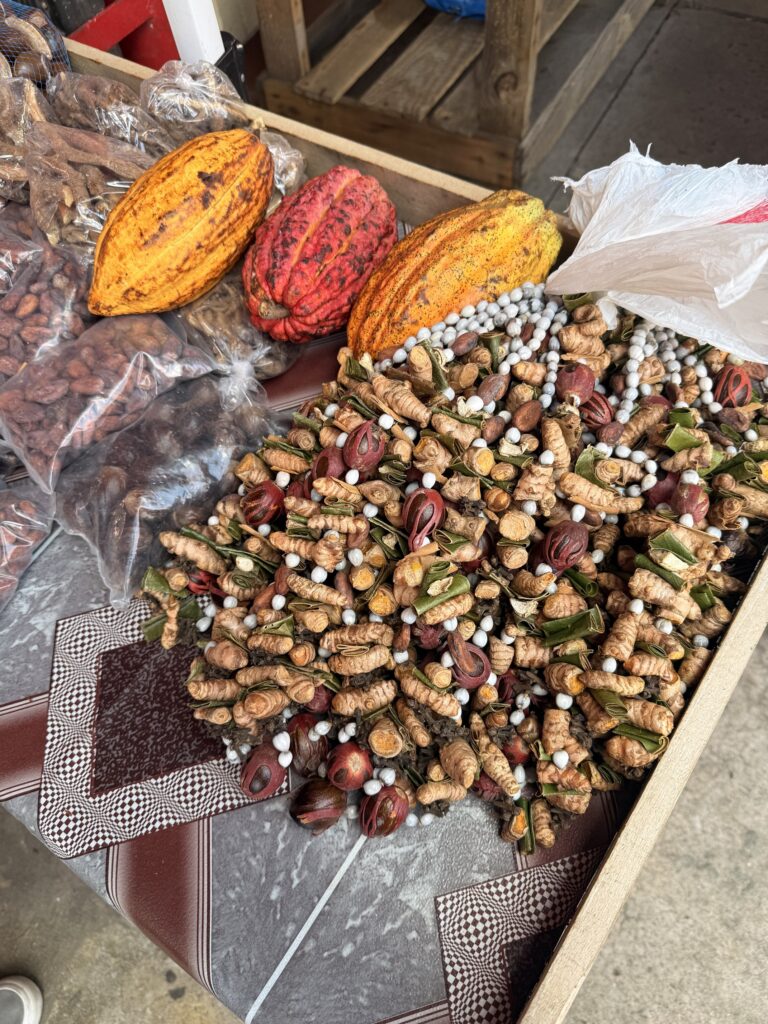
What Souvenirs to Buy in Grenada: 10 Things to Bring Home from the Spice Isle
What Souvenirs to Buy in Grenada- Key Highlights Introduction I did not leave Grenada with a lot…