
Travel Guide to Delhi, India

Ra's Travel Guide to Delhi
The capital of India, which has been destroyed and rebuilt seven times; the ultimate travel guide to Delhi.
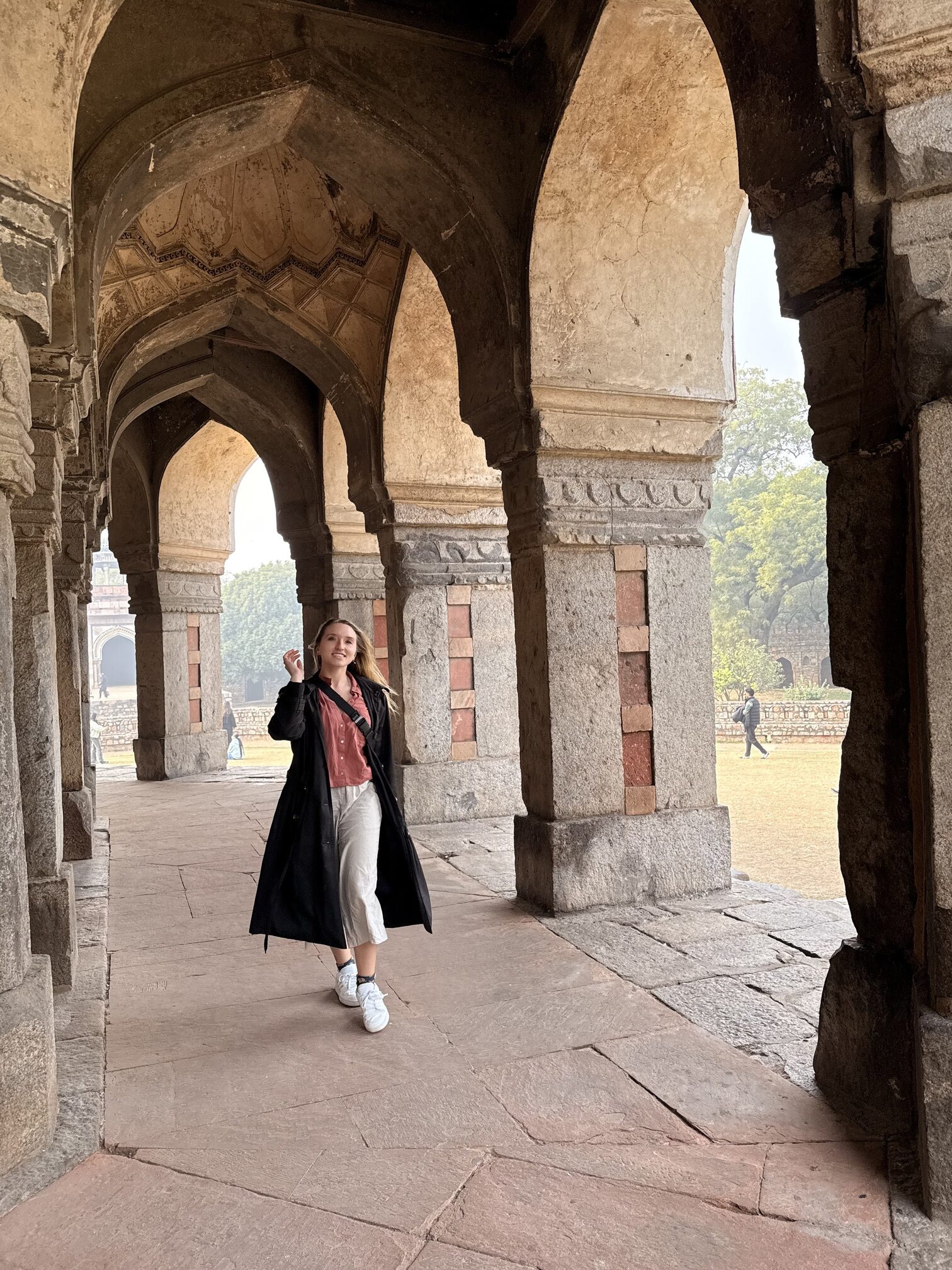
Travel Guide to Delhi- Key Highlights
- Delhi is a city of contrasts where ancient history and modern life exist side by side, from Mughal monuments to buzzing urban neighborhoods.
- It is intense and overwhelming at times, but deeply rewarding if you embrace the chaos and stay open to the experience.
- The city is one of the best food destinations in the world, offering everything from legendary street food to generations-old Mughal cuisine.
- Delhi is a major travel hub and the perfect starting point for exploring North India, including iconic destinations like Agra and Jaipur.
- Neighborhood choice and transportation planning are key to enjoying the city, with the metro system making it easier to navigate such a vast and complex destination.
Introduction
Delhi is unlike any other city I have ever been to. It is ancient and modern in the same breath, a city where Mughal fortresses rise around the corner from glass-and-steel office towers, where rickshaws weave between luxury SUVs, and where you can eat some of the most extraordinary food in the world for less than a dollar. It is intense, yes. It is overwhelming at times, absolutely. But it is also deeply rewarding for anyone willing to lean in and let the chaos work its magic. I arrived a little nervous and left completely enchanted. Use this travel guide to Delhi to plan your visit to India's magnificent capital.
What Makes Delhi Unique
Delhi is not just one city; it is many cities layered on top of each other. From Mughal-era landmarks like the Red Fort to wide colonial boulevards and modern neighborhoods, history is not preserved behind glass here; it is part of everyday life. You can walk from centuries-old ruins straight into a buzzing market or a contemporary cafe, and somehow it all feels connected.
Delhi can feel like a lot at first. The noise, the traffic, the crowds, the constant movement. But what initially feels overwhelming slowly starts to make sense. There is a rhythm to it, and once you tune in, the chaos becomes part of the experience rather than something to escape. The key is to let go of control and meet the city where it is.
Essential Tips for First-Time Visitors
Your first few days in Delhi can feel like sensory overload, and that is completely normal. The city moves fast, demands your attention, and does not always explain itself right away. A few simple adjustments in how you plan your days and move through the city can make a huge difference, helping you feel more confident, comfortable, and open to everything Delhi has to offer.
A few essential tips will make your experience smoother:
- Start early and pace yourself. Delhi can be intense, especially in the heat or crowds. Starting your day early gives you a calmer version of the city and helps you experience major sites before they get busy.
- Dress for comfort and culture. Lightweight clothing is key, especially in warmer months. It is also important to dress modestly, particularly when visiting mosques, temples, and other religious sites.
- Dress for the climate and culture. Lightweight, breathable clothing is essential in the heat and humidity, and modest dress is appreciated, especially at religious sites.
- Be mindful of air quality. Air quality can fluctuate, especially in winter. If you are visiting during this time, it is worth checking daily conditions and adjusting outdoor plans if needed.
- Stay open, but grounded. Delhi rewards curiosity. Whether it is hopping into a rickshaw, trying a dish you have never heard of, or wandering through a neighborhood, the best experiences often come from saying yes. At the same time, stay aware of your surroundings and trust your instincts.
Delhi is not a city you rush. The more time you give it, the more it reveals. It challenges you, surprises you, and, if you let it, completely reshapes how you experience travel.
How to Get to Delhi
Getting to Delhi is relatively straightforward thanks to its position as one of India’s main transportation hubs. Whether you are arriving from abroad or traveling within the country, Delhi is exceptionally well-connected by air, rail, and road. The key is choosing the option that best fits your time, budget, and comfort level, especially since travel times in India can vary more than expected.
Plane
Flying is the most efficient way to reach Delhi, especially for international travelers. Indira Gandhi International Airport is one of the busiest and best-connected airports in Asia, with direct and one-stop routes from North America, Europe, the Middle East, and across Asia.
- From North America and Europe: Most routes include one stop, often in the Middle East, with total travel times around 14 to 20 hours
- From the Middle East: Direct flights take roughly 3 to 4 hours
- From within India: Frequent domestic flights from cities like Mumbai, Jaipur, and Bangalore take between 1 and 3 hours
Once you arrive, the Delhi Metro Airport Express Line is the fastest way into the city center, reaching New Delhi Railway Station in about 20 minutes. Uber and Ola are also widely available, with rides into central areas typically taking 30 to 60 minutes, depending on traffic.
Train
Delhi sits at the heart of India’s rail network, making train travel one of the most popular and scenic ways to arrive, especially from nearby cities.
- From Agra: Around 2 to 3 hours by high-speed or express train
- From Jaipur: Around 4 to 5 hours
- From Mumbai: Approximately 16 to 20 hours
Most long-distance trains arrive at major stations like New Delhi Railway Station and Old Delhi Railway Station. For comfort, it is best to book AC classes in advance, especially on longer routes. Tickets can be reserved through the IRCTC website or platforms like 12Go Asia.
Bus
Buses are a practical option for shorter distances and budget-conscious travelers, especially from nearby states.
- From Jaipur: Around 5 to 7 hours
- From Agra: Around 4 to 6 hours
Both government-run and private operators offer services, ranging from basic non-AC buses to more comfortable AC sleeper coaches. Prices typically range from ₹300 to ₹1,500 ($4 to $18 USD) depending on distance and comfort level.
Car
Hiring a car with a driver is a common and flexible way to reach Delhi, particularly if you want to stop along the way or prefer a more comfortable journey.
- From Agra: Around 3 to 4 hours via the Yamuna Expressway
- From Jaipur: Around 5 to 6 hours
- From Chandigarh: Around 4 to 5 hours
Expect to pay roughly ₹3,000 to ₹8,000+ ($36 to $96 USD) depending on distance and vehicle type. Self-driving is possible, but for most visitors, hiring a driver is significantly easier and less stressful.
When I visited Delhi, I was on a work trip and had flown in from Mumbai. Since I was on a work trip, the company had arranged transportation for us to and from the airport. Similar to the airport in Mumbai, once you step out into the terminal, you will be swarmed by taxi and car drivers. I highly recommend arranging your transportation before arriving to avoid the stress.
For convenient travel planning, cost evaluation, and exploring various transportation options, Rome2rio is a valuable tool. It offers comprehensive information, suggests routes and stops, and enables customized and well-informed travel experiences. Furthermore it allows travelers to seamlessly plan their journey and make informed decisions based on their preferences. Discover more at Rome2rio.
Where to Stay in Delhi, India
Choosing where to stay in Delhi is one of the most consequential decisions you'll make for your trip. The city is enormous, sprawling across hundreds of square kilometres, and each neighbourhood has a completely different character, pace, and price point.
Accommodation prices span a wide range. Budget hostels start from around ₹600 ($7 USD) per night, mid-range hotels typically sit between ₹2,500–₹7,000 ($30–$85 USD), and luxury stays can easily reach ₹15,000–₹50,000+ ($180–$600+ USD), especially during peak season (October to February), when booking early is essential.
Paharganj: Best for Budget Travelers and Backpackers
Paharganj is chaotic, energetic, and full of character. Located near New Delhi Railway Station, it is a hub for budget travelers and a great place to meet other backpackers. It can feel overwhelming at first, but if you are comfortable with a bit of intensity, it is one of the most affordable places to stay.
- Price Range: ₹600–₹3,000 per night
- Stay Options:
- Budget: Zostel Delhi: a popular, social hostel with a great reputation
- Budget: Smyle Inn: clean, reliable, and well-reviewed for the price
Connaught Place (CP): Best for First-Time Visitors
Connaught Place is the commercial and social center of New Delhi and one of the most convenient places to stay. Its circular layout is easy to navigate, and it is extremely well connected by metro. You will have restaurants, cafes, shops, and major attractions all within reach.
- Price Range: ₹4,000–₹15,000+ per night
- Stay Options:
- Mid-range: The Connaught, New Delhi: modern, stylish, and centrally located
- Boutique: Hotel Palace Heights: charming and right in the heart of CP
- Upscale: The Imperial New Delhi: a stunning heritage hotel with colonial-era elegance
Karol Bagh: Best for Value and Local Experience
Karol Bagh offers a more local feel while still being well connected to the rest of the city. It is known for its markets and shopping streets, and it is a great option if you are looking for solid mid-range accommodations at better value than central Delhi.
- Price Range: ₹2,500–₹7,000 per night
- Stay Options:
- Mid-range: Hotel Sunstar Grand: comfortable with good amenities for the price
- Mid-range: Hotel Regent Grand: reliable and well-located
- Budget: Smaller guesthouses and boutique stays offering strong value
Hauz Khas Village: Best for Boutique and Trendy Stays
Hauz Khas Village is one of Delhi’s most unique neighborhoods, where medieval ruins meet a modern social scene. It is perfect if you want something design-forward and atmospheric, with easy access to cafes, galleries, and nightlife.
- Price Range: ₹3,500–₹12,000+ per night
- Stay Options:
- Boutique: LetsBunk Poshtel: a stylish hostel-meets-boutique stay
- Boutique: Haveli Hauz Khas: intimate and full of character
- Mid-range: Design-focused guesthouses and small hotels throughout the area
South Delhi: Best for Quiet, Green, and Upscale Stays
South Delhi offers a calmer, more residential experience with tree-lined streets, parks, and proximity to major landmarks like Qutub Minar. It is ideal if you want to escape the intensity while still being within reach of the city’s highlights.
- Price Range: ₹5,000–₹25,000+ per night
- Stay Options:
- Luxury: The Leela Palace New Delhi: one of the most luxurious hotels in the city
- Luxury: The Oberoi New Delhi: modern luxury with incredible service
- Mid-range: Bloomrooms @ Link Road: clean, minimalist, and great value
When I visited Delhi, we were traveling on a work trip, so our company organized our long-term stay in a local hotel chain. Our hotel was attached to a small mall, which provided access to stores and restaurants, but it was also a short commute to our office, so we could avoid as much of the Delhi traffic as possible. As mentioned above, traffic in Delhi is saturated, so I highly recommend choosing a location nearby where you plan to spend the most amount of time.
Guides to India
Getting Around Delhi, India
Car
While renting a car is possible, I would not recommend renting a car and driving around Delhi if you're a foreigner. When you arrive, you will see why. Driving in India is a whole other beast. People are aggressive, the roads are crowded, there's a lot of traffic, and parking is limited. I highly recommend exploring one of the other options below.
Delhi Metro
The Delhi Metro is relatively clean, punctual, air-conditioned, affordable, and connects almost every major tourist attraction across the city. Buy a tourist card for unlimited travel and keep it topped up if you will use it constantly. Women-only carriages are available on every line, which is worth knowing.
Taxi, Uber, and Ola
For places not easily reached by metro, or when you just want door-to-door convenience, ride-share apps are the way to go. They are reliable, safe, and reasonably priced. Always confirm the route before the driver starts and share your live location with someone you trust. For taxis, always make sure the meter is on.
Rickshaws
For short distances and experiencing the sensory overload of Old Delhi's narrow lanes, a rickshaw is perfect. Always negotiate the fare before getting in. Cycle rickshaws in particular are perfect for exploring the alleys around Chandni Chowk where no car can fit.
Walking
Some neighborhoods are wonderful on foot, such as Lodhi Garden, Hauz Khas Village, and Connaught Place, which are all very walkable. Old Delhi is best explored slowly on foot and by rickshaw. Wear comfortable shoes and always carry water.
What to Do in Delhi, India
Delhi is a city that does not hold back, and neither should your itinerary. The experiences here are as layered as the city itself, spanning centuries of history, deeply rooted culture, and moments of everyday life that feel just as meaningful as the major landmarks. From Mughal-era monuments to bustling markets and quiet green spaces, what makes Delhi special is the contrast between them all. The key is to approach it with curiosity and a willingness to move between the grand and the ordinary, because both are equally part of the story.
Red Fort (Lal Qila)
One of the most iconic monuments in India, the Red Fort was built by Mughal Emperor Shah Jahan in the 17th century and served as the main residence of the Mughal emperors for nearly 200 years. Its massive red sandstone walls stretch over two kilometers and enclose palaces, halls, and beautiful gardens. It is a UNESCO World Heritage Site and an important symbol of Indian independence; the Prime Minister delivers India's Independence Day address from its ramparts every year. Go early to beat the crowds, and do not miss the evening light and sound show if you are in Delhi on your first night.
Jama Masjid
Chandni Chowk
Connecting the Red Fort to Fatehpuri Mosque, Chandni Chowk is one of the oldest and busiest markets in all of Asia. This place is pure sensory overload, in the best possible way. Winding alleyways packed with spice merchants, fabric shops, wedding jewelry stores, silver vendors, and legendary food stalls. The street food here is some of the best in Delhi: try paratha from the famous Gali Paranthe Wali, or explore the Jain temple street for the freshest jalebis you have ever tasted. Go with a spirit of adventure and do not try to rush it.
Humayun's Tomb
Often described as the architectural precursor to the Taj Mahal, Humayun's Tomb is a stunning 16th-century Mughal mausoleum set in beautiful Persian-inspired gardens. Built by the Emperor's devoted wife, Empress Bega Begum, it is quieter and less crowded than many of Delhi's main attractions, which makes it all the more special. Visit in the early morning or late afternoon when the warm light hits the red sandstone and white marble. UNESCO World Heritage Site, and worth every minute.
Qutub Minar
Standing at 73 meters, the Qutub Minar is the tallest brick minaret in the world and one of India's earliest and finest examples of Indo-Islamic architecture. Construction began in 1192, making it nearly 830 years old. The surrounding Qutub complex includes a series of remarkable monuments, including the Alai Darwaza gateway and the Iron Pillar of Delhi, an ancient pillar that has stood rust-free for over 1,600 years, baffling metallurgists to this day.
India Gate
India Gate is a 42-meter war memorial dedicated to over 84,000 Indian soldiers who died in World War I. It sits at the end of the wide ceremonial boulevard Kartavya Path and is one of Delhi's most photogenic landmarks. Come at sunset or in the evening when it is beautifully lit, and the lawns fill with locals enjoying the cool air. A short walk along the boulevard leads to the grand Rashtrapati Bhavan, the official residence of the President of India.
Lotus Temple
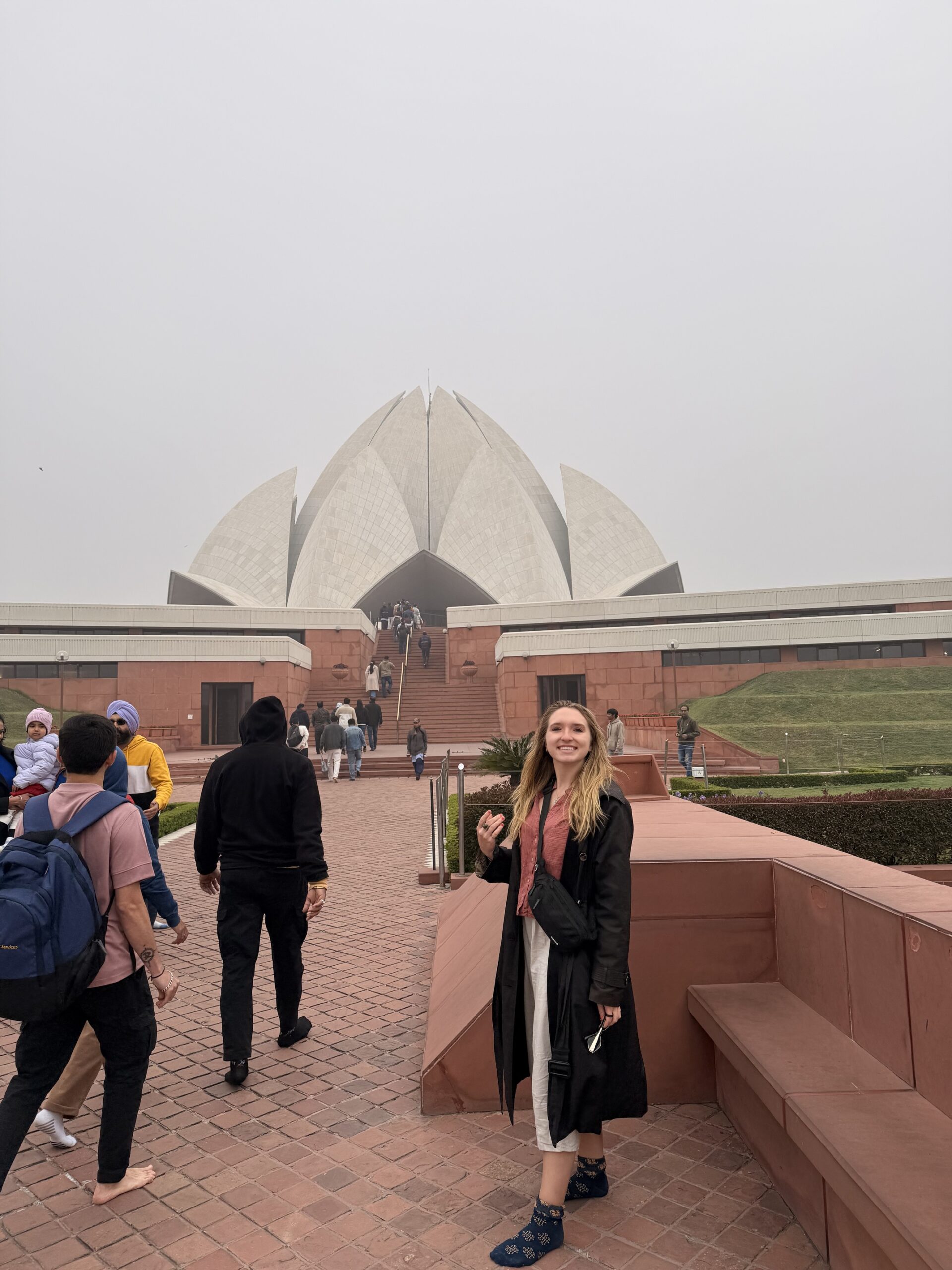
The Lotus Temple is one of those buildings that stops you in your tracks. Opened in 1987 and designed in the shape of an unfolding lotus flower with 27 free-standing marble petals, it is one of the most visited buildings on the planet. It is a Bahai House of Worship open to people of all religions and none; step inside for a few minutes of quiet reflection. The architecture alone is worth the visit.
Lodhi Garden
This is one of Delhi's great hidden gems. A beautifully maintained public park in the center of the city, Lodhi Garden is dotted with medieval tombs and monuments dating from the 15th and 16th centuries. You can walk between crumbling, moss-covered domes while families picnic, dogs play, and joggers lap the paths. It is extraordinary that a place this peaceful and historic is essentially a public park. Go at sunset.
Hauz Khas Village
Built around a 14th-century reservoir and medieval ruins, Hauz Khas Village is one of Delhi's most atmospheric neighborhoods. By day, explore the ruins, the deer park, and the galleries. As evening falls, the neighborhood transforms into one of the city's best spots for dinner, drinks, and live music, with rooftop restaurants overlooking the ancient tank. It is a perfect encapsulation of the Delhi paradox: ancient history and thoroughly modern cool coexisting beautifully.
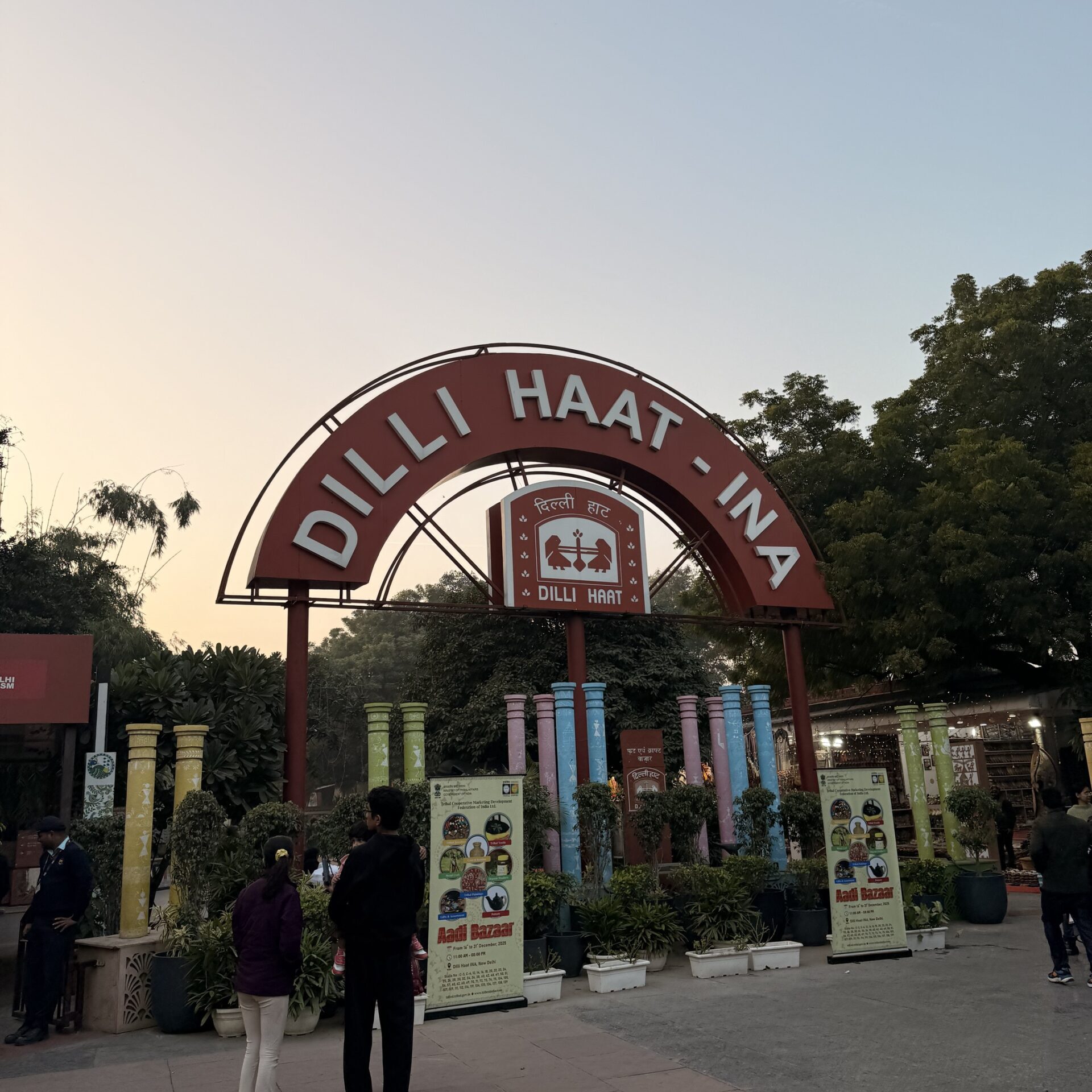
Dilli Haat
If you want a taste of all of India's crafts, textiles, and cuisine in one place, head to Dilli Haat. This open-air market showcases artisans and food stalls from every state in India on a rotating basis. It is curated, clean, and a great alternative to the more chaotic street markets if you are looking for quality souvenirs with less bargaining pressure.
Akshardham Temple
One of Delhi's most ambitious and awe-inspiring modern monuments, Akshardham is a massive Hindu temple complex completed in 2005. The pink sandstone and white marble main temple is intricately carved with over 20,000 figures of saints, devotees, and deities. Photography is not allowed inside the complex, but the architecture will stay with you long after. Allow at least three to four hours to do it justice.
Conclusion
What you will quickly realize is that Delhi is not about seeing everything; it is about fully experiencing what you do see. You might come for the landmarks, but it is often the in-between moments that stay with you the longest, such as getting lost in the lanes of Chandni Chowk, watching the light change over centuries-old stone, or finding a quiet pause in a place like Lodhi Garden. Give yourself time, stay open, and let the city unfold in its own way. Be sure to use this travel guide to Delhi to make the most out of your visit!
Frequently Asked Questions & Information
How Many Days Do You Need to Visit Delhi?
Three to four days is a good amount of time to see the main highlights and explore different neighborhoods. If you plan to take day trips, you may want to stay longer.
What is the Best Time to Visit Delhi?
The best time to visit Delhi is from October to February when the weather is cooler and more comfortable for exploring. Summers can be extremely hot, and winter can bring some air quality concerns.
Is Delhi Worth Visiting?
Yes, Delhi is one of the most historically rich and culturally layered cities in the world. It can feel intense, but it offers an experience that is hard to match anywhere else.
Is Delhi Safe for Tourists?
Delhi is generally safe for travelers, but it requires a bit more awareness than some other cities. Stick to well-populated areas, use trusted transportation, and stay mindful of your surroundings.
Travel Tip
Bring a mask to wear outside and bring a nasal spray to rinse your sinuses in the evenings.
My Playlist for Delhi, India
"Dilli Dilli" from the Delhi 6 soundtrack
"Kun Faya Kun" by A.R. Rahman
"Iktara" from the Wake Up Sid soundtrack
"Hawa Hawa" by Mika Singh and Prakriti Kakar
"Proper Patola" by Badshah, Diljit Dosanjh, and Aastha Gill

Recommended Reads
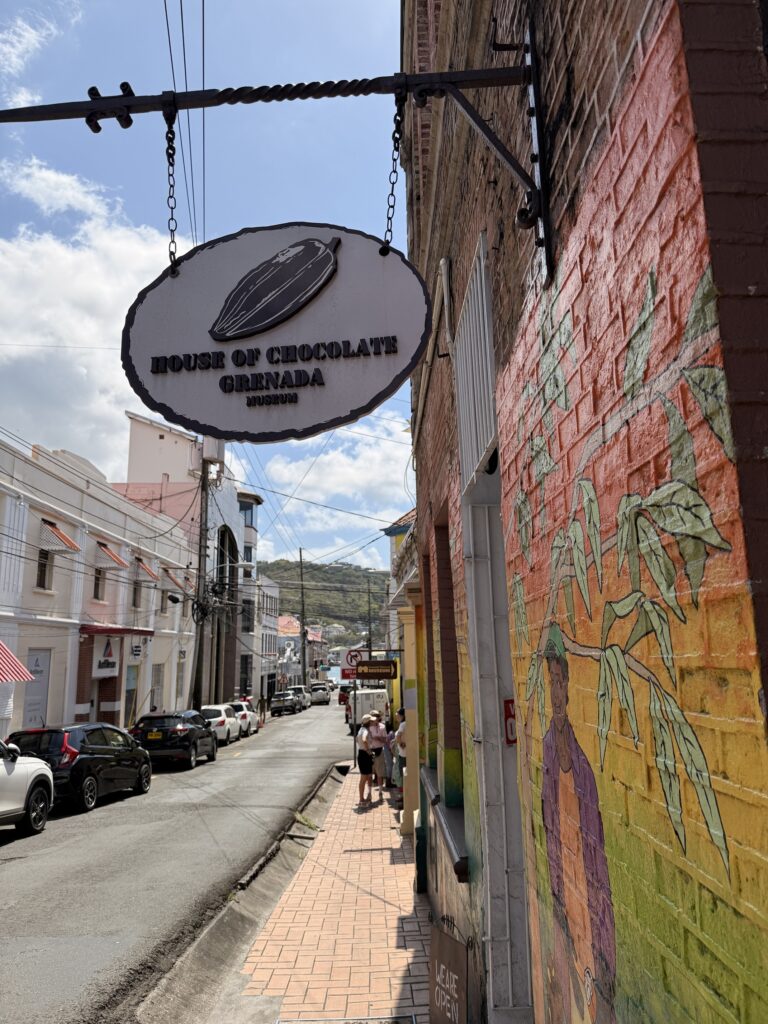
Cultural Events and Activities in Grenada: The Ultimate Guide to the Spice Isle’s Celebrations
Cultural Events and Activities in Grenada- Key Highlights Introduction Culture in Grenada is not something you have…

Best Beaches in Grenada: A Guide to the Spice Isle’s Most Beautiful Shores
Best Beaches in Grenada- Key Highlights Introduction I spent a lot of time on Grenada’s beaches. More…
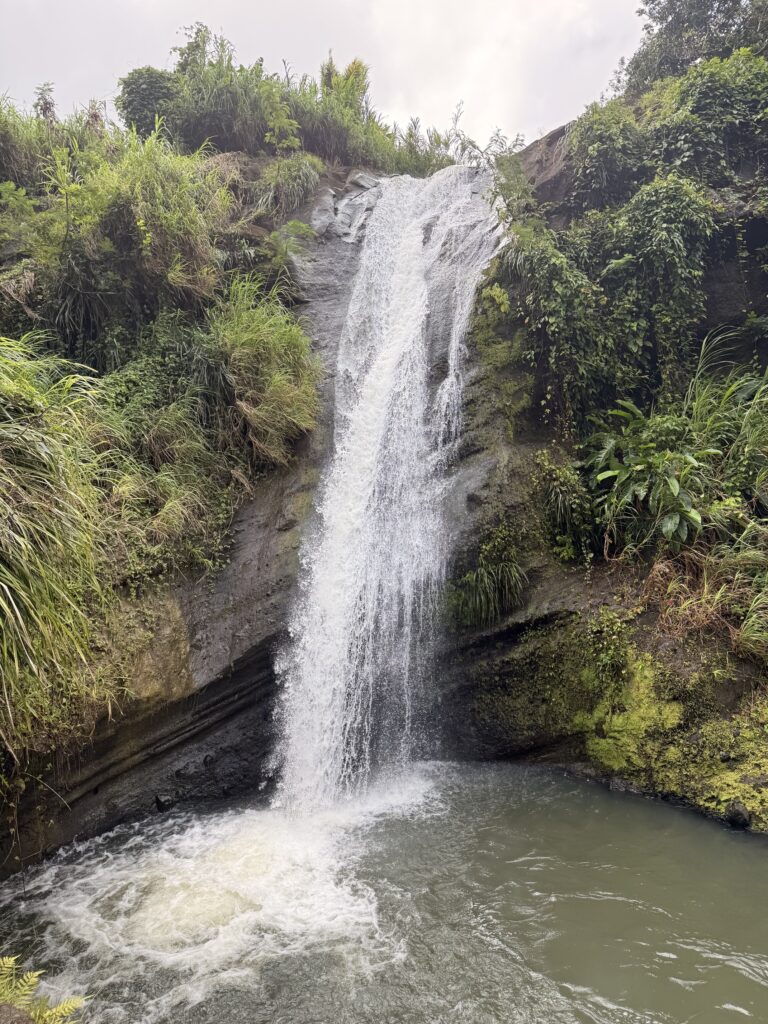
Best Places to Visit in Grenada for Travelers
Best Places to Visit in Grenada- Key Highlights Introduction One of the things I love most about…