

Cultural Tips for Foreigners Visiting India: What to Know Before You Go
 ramblingtravel
April 26
10 min read
ramblingtravel
April 26
10 min read

Cultural Tips for Foreigners Visiting India-Key Highlights
- A little cultural awareness goes a long way in India. Indians are warm and forgiving with foreigners who try.
- The Namaste greeting, removing shoes before temples and homes, and using your right hand for food and gifts are the big three.
- India’s famous head wobble is not a “no.” It is an enthusiastic yes.
- Dress modestly, especially outside major cities and in religious spaces.
- Hospitality is sacred in Indian culture; accepting tea or food when offered is a gesture of respect.
Introduction
One of the things I love most about traveling is the opportunity to understand how other people live, connect, and see the world. India, with its 5,000-year-old civilization and extraordinary cultural diversity, is one of the most illuminating places on earth for this kind of learning. The customs and gestures you will encounter are not arbitrary rules. They are windows into a profound and layered worldview. And the good news? Indians are famously warm and welcoming to foreigners who make a genuine effort.
You do not need to know everything. You just need to come with an open heart and a willingness to observe and learn. These cultural tips for foreigners visiting India will help you do that.
1. Say Namaste and Mean It
The Namaste greeting is the first and most universal cultural tip for visiting India, and it is also one of the most meaningful. Press your palms together at chest level and bow your head slightly while saying “Na-mas-tay.” The word comes from Sanskrit and means “the divine in me recognizes the divine in you.” It is used both as a hello and a goodbye, it transcends language barriers, and it will earn you an instant warm smile wherever you are in India.
In more Westernized urban settings, handshakes are common, especially in business contexts, but Namaste is always appreciated. When greeting women, especially, wait to see if they extend their hand before offering yours.
2. Remove Your Shoes
This one is non-negotiable. You must remove your shoes before entering any temple, mosque, gurudwara (Sikh temple), or mandir, and in many homes as well. You will usually see a pile of shoes at the entrance, which is your cue. Temple floors can be very hot in summer, so bring a pair of thick socks if you visit during warmer months. It is also worth knowing that inside some very sacred spaces, leather items (wallets, belts, bags) may be prohibited. Check signage at the entrance. This is not just a courtesy. It is a deeply held sign of respect for sacred spaces.
3. Use Your Right Hand
Across India and much of South and Southeast Asia, the left hand is considered unclean as it is traditionally associated with personal hygiene. Use your right hand to eat, to pass money or objects, to accept gifts, and to gesture. When handing over payment in a shop or tipping a driver, use your right hand or both hands together. This is especially important in more traditional and rural settings, though most urban Indians will be understanding if a foreigner forgets.
If you are left-handed, a polite “I am left-handed” explanation will usually be met with grace.
4. Decode the Indian Head Wobble
The Indian head wobble, a gentle side-to-side tilting of the head, is one of the most famously confusing gestures for foreign visitors. To Western eyes, it looks like a “no.” In India, it means anything from “yes” to “okay” to “I understand” to “great” depending on the context.
When you have just explained something to someone, and they wobble their head at you, they are confirming they follow you. When you ask if something is available and get a wobble, that is an affirmative. You will get the hang of it quickly and you will probably find yourself doing it by the end of your trip.
5. Dress Modestly and Respectfully
India is culturally conservative in many areas, and how you dress signals respect for local norms. For both men and women, covering your shoulders and knees is the standard expectation, particularly outside major metropolitan areas and when visiting religious sites.
Women should carry a lightweight scarf or dupatta (a long shawl) that can be used to cover hair when entering mosques or gurudwaras. A clean cloth is usually provided at the entrance if you forget. Men should avoid going shirtless in public outside of beach areas. In bigger cities like Mumbai and Delhi, you will see all styles of dress, but erring on the side of modesty will always be received well and dramatically reduce unwanted attention.
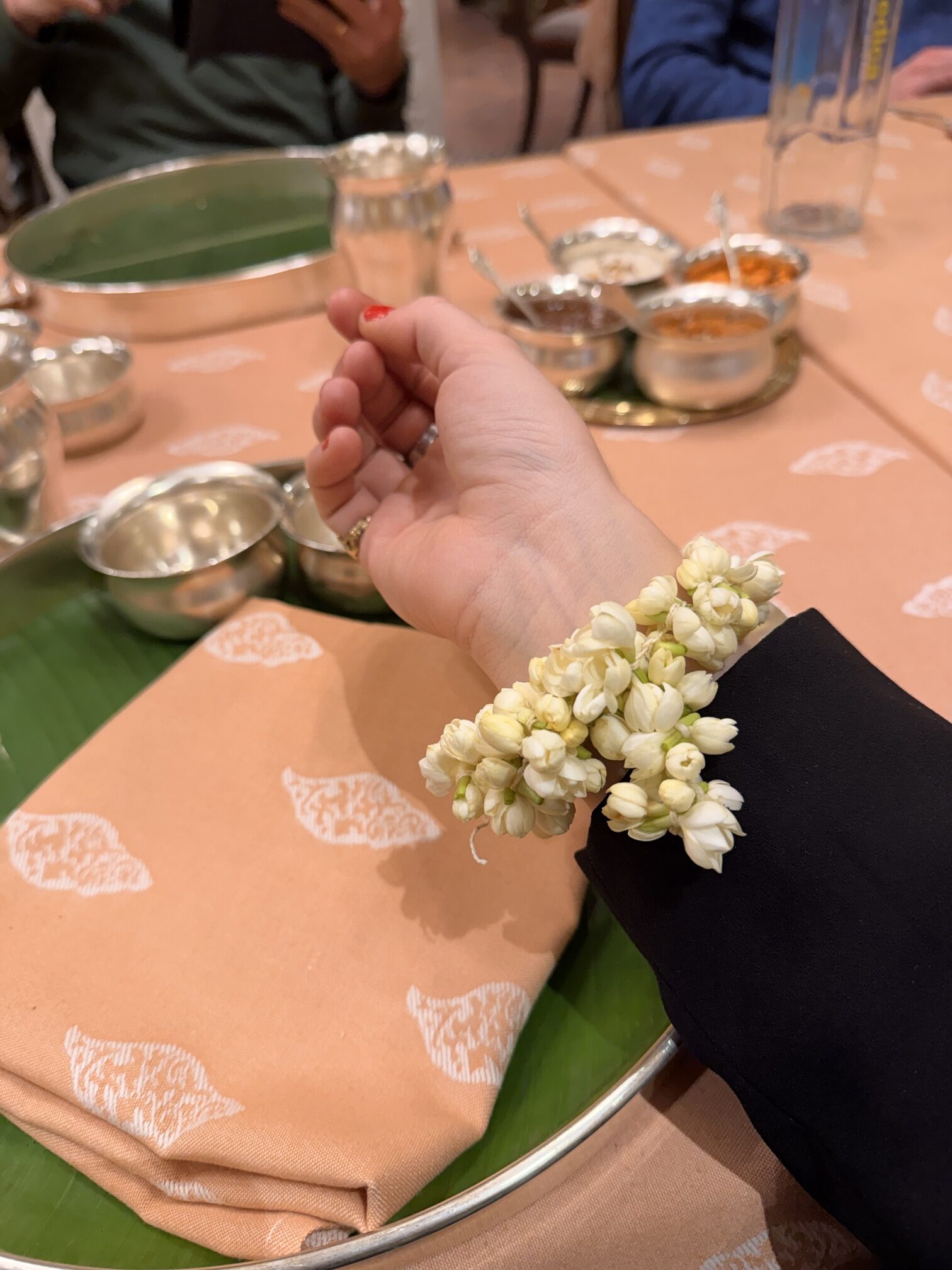
6. Accept Hospitality Graciously
In Indian culture, the phrase “Atithi devo bhava”, the guest is God, captures a hospitality tradition that runs incredibly deep. If someone invites you into their home, offers you chai, or presents you with food, accepting is the respectful and gracious thing to do. You do not need to finish everything, and you can certainly decline with warmth if dietary restrictions require it, but refusing without good reason can come across as cold or dismissive. When visiting a home, bring a small gift if you can. Sweets (mithai) or fruit are always well received. Complimenting the food or the home is warmly appreciated.
7. Be Careful With Your Feet
Feet are considered the least pure part of the body in Hindu culture, and gestures involving feet carry significant meaning. Never point your feet toward another person, toward a religious idol or image, toward food, or toward an elder. It is considered disrespectful. If you accidentally touch someone with your foot, a quick apology is the right response. When sitting in a temple or at a social gathering, tuck your feet beneath you or to the side rather than pointing them outward. Avoid stepping over another person’s body or personal belongings.
8. Don’t Touch People’s Heads
The head is considered sacred in Indian culture. It is the highest and most spiritually elevated part of the body. As an extension of this, you should avoid touching another person’s head, including children, even affectionately. In some communities, touching a child’s head is believed to bring bad luck or invite negative spiritual attention.
This is a significant departure from Western customs, where ruffling a child’s hair is a friendly gesture. Keep that in mind when you are around kids.
9. Be Mindful Around Cows
Cows are sacred in Hinduism and protected across most of India. You will encounter them absolutely everywhere in city streets, markets, temples, and highways, and they have the right of way. Always move around them calmly without making sudden gestures. Do not honk at them if you are in a vehicle; wait patiently. Never touch, tease, or mistreat a cow. If you are having a meal with Hindu hosts, never order beef in a restaurant when in their company unless they initiate it first. In many states, beef is not served at all.
10. Ask Permission Before Photographing People
India is endlessly photogenic, and the temptation to photograph everything and everyone is real. But always ask before photographing individuals, particularly women, elders, or people in religious or intimate settings. A smile, a raised camera, and a questioning look are usually enough to get a clear yes or no. Some people will be delighted and want to pose; others will prefer privacy, and you should respect that completely. At religious ceremonies or sensitive sites, check whether photography is permitted at all before you start shooting.

11. Learn a Few Words of Hindi
You do not need to be fluent, but a handful of Hindi words will go a long way and earn you enormous goodwill. Some worth knowing: Namaste (hello/goodbye), Dhanyavaad or Shukriya (thank you), Kitna hai? (how much is it?), Haan (yes), Nahi (no), Nahi chahiye (no thank you), Bhaiya (a friendly term for a young man, often used to address strangers and service workers), Didi (sister, used similarly for women). Most people in tourist areas speak English, but even a single word of Hindi signals effort and earns a smile.
12. Be Patient — India Operates on Its Own Time
There is a concept in India sometimes called “IST,” Indian Standard Time, which refers less to the official time zone and more to a general cultural relationship with punctuality that is more fluid than Western visitors might expect. Things take longer. Schedules slip. Buses run late. Bureaucracy moves slowly. Fighting this will make you miserable; embracing it is one of the great lessons India teaches travelers.
Build buffer time into every plan, pack your patience, and use the unexpected delays as opportunities to observe the extraordinary scene around you. Everything eventually happens in India. Just not necessarily when you expected.
13. Avoid Public Displays of Affection
Kissing, embracing romantically, or other displays of physical affection between couples are generally not socially acceptable in public in India, particularly outside of major metropolitan areas. Holding hands is generally fine.
For same-sex couples, especially, it is worth researching the specific city and area you are visiting. India has made legal strides in recent years, but social attitudes vary significantly by region. Discretion is always the safer and more respectful approach.
14. Bargain Respectfully in Markets
Haggling is a completely normal and expected part of buying in Indian markets. Most vendors set an initial “tourist price” that is substantially above what they expect to receive. Negotiating is not rude — it is part of the culture. Start by offering around 50-60% of the asking price and work toward a mutually agreeable number. The keyword is “mutually,” bargaining should be good-humored and fair on both sides. A few rupees might mean very little to you, but a meaningful amount to a vendor, so keep that perspective. Once you agree on a price, honor it.
Conclusion
India is one of the most welcoming countries in the world for visitors who come with curiosity and respect. The customs here are not obstacles. They are invitations to understand a civilization of extraordinary richness and depth. Make a mistake? Laugh about it. Ask questions. Indians are almost universally forgiving of genuine cultural missteps from foreigners who are clearly trying. The effort always shows, and it is always appreciated.
Considering a visit to India? Check out my Complete Travel Guide to India!
Frequently Asked Questions
Can I take photos of people in India?
It is always best to ask before taking photos of people. Most will say yes, but asking shows respect and avoids uncomfortable situations.
Is tipping expected in India?
Tipping is appreciated in restaurants, hotels, and for guides, but it is not always required. A small tip is usually enough and is seen as a kind gesture.
What should I wear in India as a foreigner?
Dressing modestly is appreciated in most parts of India. Lightweight clothing that covers shoulders and knees will help you feel more comfortable and blend in more easily.
Recent Posts

Related Posts

Cultural Events and Activities in Grenada: The Ultimate Guide to the Spice Isle’s Celebrations
Cultural Events and Activities in Grenada- Key Highlights Introduction Culture in Grenada is not something you have…

Best Beaches in Grenada: A Guide to the Spice Isle’s Most Beautiful Shores
Best Beaches in Grenada- Key Highlights Introduction I spent a lot of time on Grenada’s beaches. More…

Best Places to Visit in Grenada for Travelers
Best Places to Visit in Grenada- Key Highlights Introduction One of the things I love most about…