

Best Places to Visit in India for Travelers
 ramblingtravel
April 26
9 min read
ramblingtravel
April 26
9 min read
Best Places to Visit in India-Key Highlights
- India is one of the world’s most diverse travel destinations, with mountains, beaches, deserts, jungles, ancient cities, and backwaters all existing within the same country.
- The Golden Triangle (Delhi–Agra–Jaipur) is the classic introduction and genuinely excellent for first-timers.
- Kerala and Goa offer completely different coastal experiences; both are unmissable.
- Spiritual destinations like Varanasi and Rishikesh offer experiences found nowhere else on earth.
- Rajasthan is a world unto itself: palaces, forts, deserts, and one of the richest art traditions in Asia.
Introduction
Narrowing down the best places to visit in India is a task that feels almost impossible. This is a country of 1.4 billion people, 28 states, and a geographic and cultural diversity that would take a lifetime to fully explore. Snow-capped Himalayan peaks in the north, tropical backwaters in the south, golden desert dunes in the west, dense tea gardens in the northeast. India is not one destination; it is dozens. What I have done here is highlight the places that, in my experience and research, consistently offer the most extraordinary travel experiences, whether you are a first-timer or a returning visitor looking to go deeper. Start anywhere, but use these top 10 best places to visit in India to start planning your visit.
1. Delhi — The Layered Capital
India’s capital is where the journey most naturally begins. Delhi is a city of extraordinary historical depth. With over 30 UNESCO-listed monuments, centuries of Mughal architecture, bustling bazaars, and a food scene that rivals anywhere in the country. Spend at least three to four days here: lose yourself in Old Delhi’s Chandni Chowk, visit the Red Fort and Jama Masjid, walk through Lodhi Garden, and make time for the quieter pleasure of Humayun’s Tomb. Delhi can be intense, chaotic, and occasionally overwhelming, but it is also deeply rewarding and the best possible introduction to the complexity of India.
Best time to visit: October to March. Avoid summer (April to June) when temperatures regularly exceed 40°C, and be aware of winter smog (November to January).
2. Agra — The Taj Mahal and More
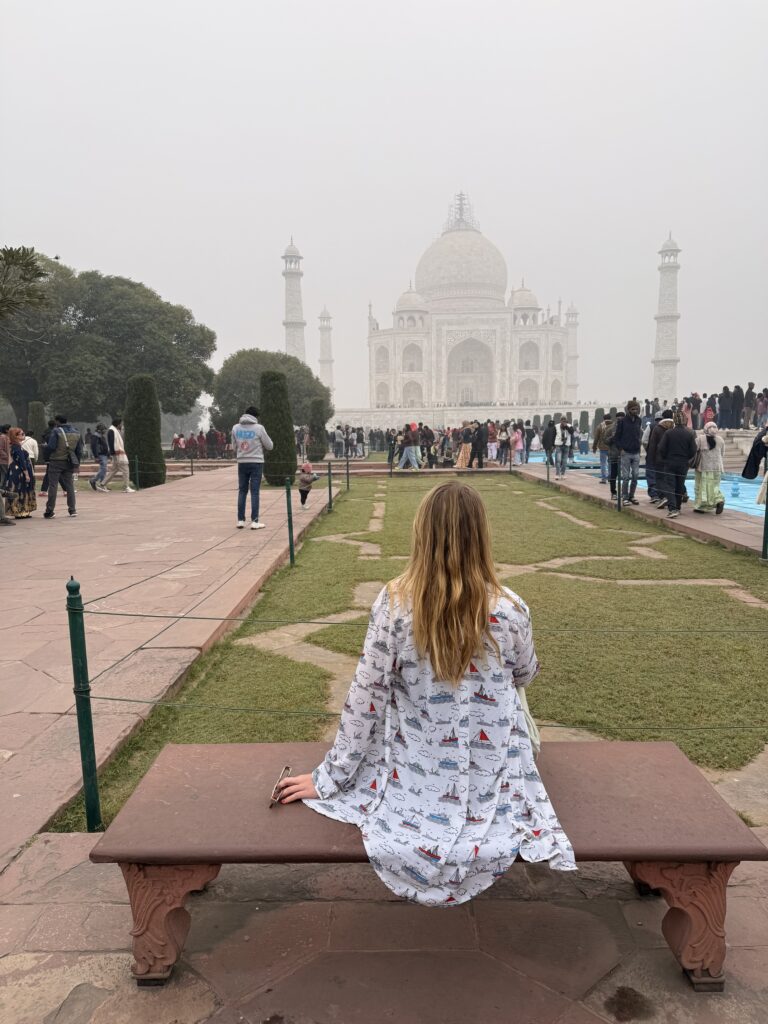
You cannot come to India without seeing the Taj Mahal. Full stop. No photograph, no matter how good, prepares you for the scale and perfection of it in person. Built by Mughal Emperor Shah Jahan between 1631 and 1648 as a monument to his beloved wife Mumtaz Mahal, it is one of the most beautiful buildings ever constructed by human hands. Go at sunrise for the best light and the fewest crowds. But do not stop at the Taj. Agra Fort is a spectacular Mughal fortress and is also a UNESCO World Heritage Site, and the ghost city of Fatehpur Sikri nearby is one of the most evocative and under-visited sites in all of India.
Best time to visit: October to March. Day trip from Delhi (2–3 hours by fast train) or overnight stay.
3. Rajasthan — The Land of Kings
Rajasthan is the India of popular imagination, and it lives up to every expectation and then some. The state’s major destinations each deserve their own visit: Jaipur, the Pink City, dazzles with its Amber Fort, Hawa Mahal wind palace, and vibrant bazaars; Udaipur, the City of Lakes, is romantic and beautiful with whitewashed palaces reflected in still water; Jodhpur, the Blue City, rises dramatically around the imposing Mehrangarh Fort; and Jaisalmer, the Golden City, is the gateway to the Thar Desert with its sandstone havelis and camel safari experiences. Rajasthan is easily the most visually spectacular state in India.
Best time to visit: October to February. Summers are extremely hot.
4. Varanasi — India’s Spiritual Heart
There is nowhere else on earth quite like Varanasi. One of the oldest continuously inhabited cities in the world, over 3,000 years old, it sits on the banks of the sacred Ganges River and is the spiritual capital of Hinduism. The ghats (stone steps leading to the river) are where pilgrims come to bathe, to pray, and sometimes to die. Varanasi is one of the most sacred places to pass away in Hindu belief. Watch the Ganga Aarti ceremony at Dashashwamedh Ghat at sunset, when priests perform an elaborate fire ritual with synchronized movement and incense, and the whole riverfront glows. Take a boat out on the river at dawn. Wander through the narrow lanes of the old city. Varanasi is disorienting, moving, and absolutely unforgettable.
Best time to visit: October to March. The Diwali and Dev Deepawali festivals (October/November) are extraordinary times to be here.
5. Kerala — God’s Own Country
Kerala, tucked into India’s southwestern tip, feels like a completely different country from the bustling north. It is lush, green, peaceful, and extraordinarily beautiful. A houseboat cruise through the Alleppey backwaters, a network of lagoons, rivers, and canals lined with swaying palms, is one of the most serene travel experiences in all of Asia. Munnar’s tea gardens are stunning for trekking and misty mornings. Wildlife sanctuaries like Periyar offer elephant sightings in their natural habitat. The beaches of Kovalam and Varkala are relaxed and lovely. And Kerala’s cuisine, coconut-heavy, seafood-rich, and unlike anything you find in the north, is extraordinary. For travelers feeling overwhelmed by India’s intensity, Kerala is the perfect recharge.
Best time to visit: September to March. The monsoon (June to August) is lush but very rainy.
6. Goa — Beaches, History, and Laid-Back Vibes
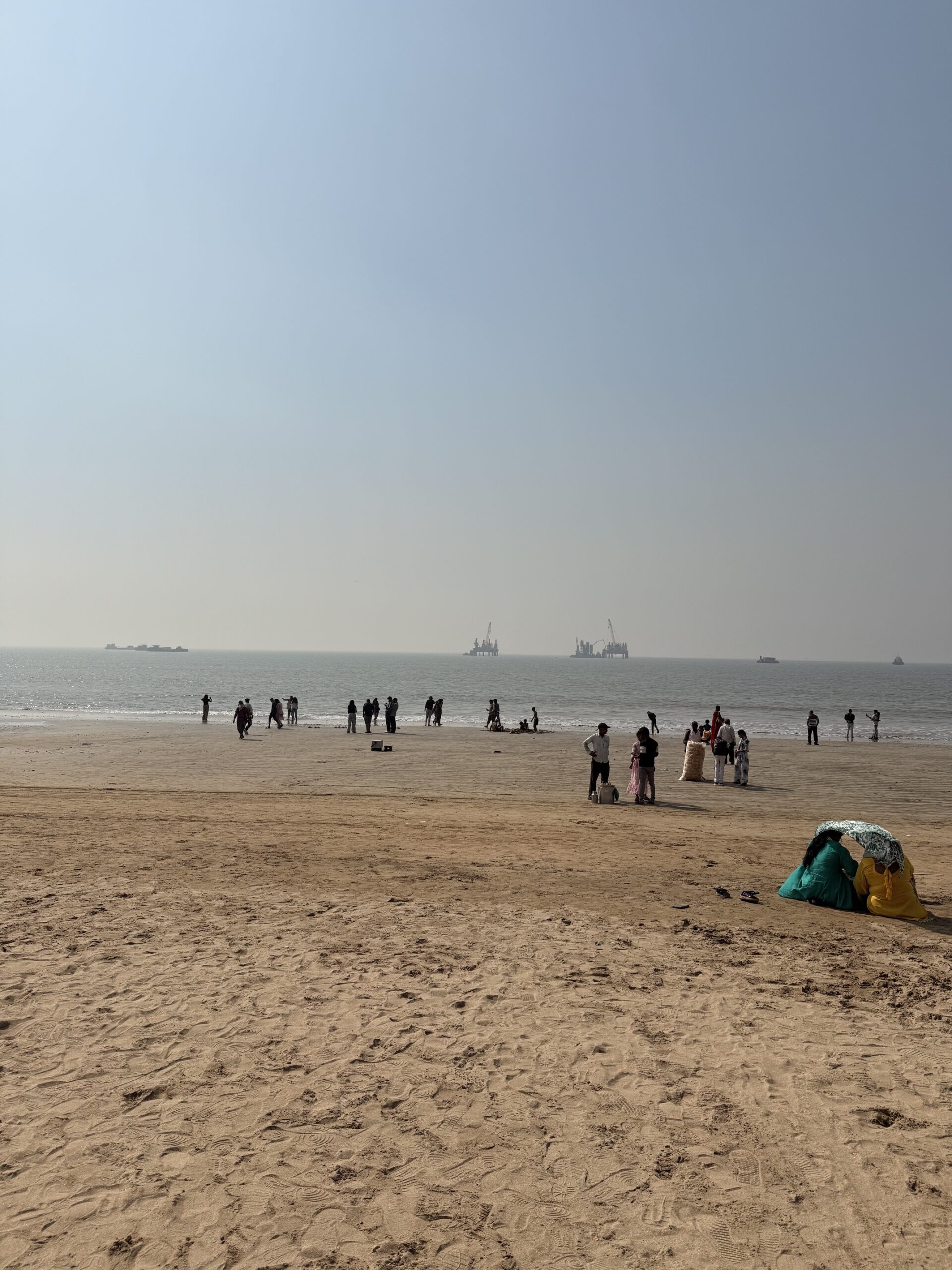
India’s smallest state has one of its biggest reputations, and it deserves it. Goa’s 105-kilometer coastline offers a range of beach experiences, from the lively party scene of North Goa (Baga, Anjuna, Vagator) to the quieter, more sophisticated beaches of South Goa (Palolem, Agonda, Patnem). Beyond the beaches, Goa has a fascinating Portuguese colonial heritage visible in its whitewashed Baroque churches, colonial-era architecture, and in its uniquely Goan cuisine, a blend of Indian and Portuguese flavors. The best version of Goa is the one that is slightly off the beaten track: renting a scooter, finding a quiet beach shack, eating a fish curry and rice for lunch, and doing exactly nothing else.
Best time to visit: November to February is peak season. March to May is hot but quieter. Avoid the monsoon.
7. Rishikesh — The Yoga Capital of the World
Nestled in the Himalayan foothills where the Ganges emerges from the mountains, Rishikesh is a place that draws seekers of every kind. The Beatles came here in 1968 to study Transcendental Meditation with Maharishi Mahesh Yogi, and the world has not stopped coming since. You can spend a morning doing yoga on the banks of the river, an afternoon white-water rafting in the powerful Ganges rapids, and an evening watching the nightly aarti ceremony at Parmarth Niketan Ashram. It is one of the most beautiful settings in India and one of the best destinations for anyone interested in wellness, adventure, or simply slowing down.
Best time to visit: February to May and September to November. Avoid the monsoon season when the river is high and dangerous.
8. Mumbai — The City of Dreams
India’s second city is its most cinematic, a sprawling, endlessly fascinating metropolis where old colonial grandeur meets Bollywood glamour, where the world’s largest slums sit beside some of its most expensive real estate, and where the street food is some of the best anywhere. The Gateway of India, the UNESCO-listed CST station, Elephanta Caves, Marine Drive, and the impossibly atmospheric neighborhoods of Bandra and Colaba. Mumbai demands at least three days and rewards longer. It is chaotic, beautiful, loud, and completely magnetic. See my full guide for everything you need to plan your visit.
Best time to visit: October to May. Monsoon (June to September) can be atmospheric but disrupts travel.
9. Ladakh — The Roof of the World
For travelers who want India at its most dramatic and otherworldly, Ladakh delivers everything. Situated at altitudes of 3,500 meters and above in the Himalayas of northern India, this high-altitude desert is a landscape of jaw-dropping scale, stark mountain ranges, brilliant blue sky, ancient Tibetan-Buddhist monasteries perched on clifftops, and the extraordinary Pangong Tso lake that changes color from turquoise to blue to silver across its 134-kilometer length. The drive from Manali to Leh via the world’s highest motorable roads is an adventure in itself. Acclimatize for at least two days before strenuous activity.
Best time to visit: June to September. Roads are closed in winter due to snow.
10. Amritsar — The Golden Temple
The Golden Temple, officially Harmandir Sahib, is the holiest shrine in Sikhism and one of the most moving places I have ever visited. The gilded temple sits at the center of a sacred pool, and the constant stream of pilgrims, the sound of devotional music, and the astonishing hospitality of the Sikh community (who serve over 100,000 free meals a day in the Langar communal kitchen) combine into an experience of profound humanity and beauty. The evening flag-lowering ceremony at the nearby Wagah Border with Pakistan is also something to see if you have the time.
Best time to visit: October to March.
India Travel Tips
- The Golden Triangle (Delhi–Agra–Jaipur) is the classic first-timer route and genuinely excellent. Allow at least 7 to 10 days.
- India is vast. Do not try to cover too much ground in one trip. It is better to go deep in fewer places than shallow across many.
- Book trains well in advance through the IRCTC website, especially for popular routes during peak season.
- Domestic flights are affordable and time-saving for long distances. IndiGo, Air India, and SpiceJet all offer good connections.
- Every season in India is the right season somewhere. Research specific regions based on when you are traveling.
Considering a visit to India? Check out my Complete Travel Guide to India!
Frequently Asked Questions
What are the best cities to visit in India?
Some of the most popular cities include Mumbai, Delhi, Jaipur, and Varanasi. Each one offers a completely different experience, from fast-paced urban life to deeply spiritual traditions.
How do I choose where to go in India?
It helps to focus on one region at a time rather than trying to see everything. Think about whether you are more interested in cities, nature, beaches, or history, and plan your route around that.
Is it better to visit North India or South India?
North India is known for its iconic landmarks and historical sites, while South India offers a slower pace, lush landscapes, and different cultural influences. Both are worth visiting, but they offer very different experiences.
Interested in Visiting India? Explore More Travel Guides:
Recent Posts
Related Posts
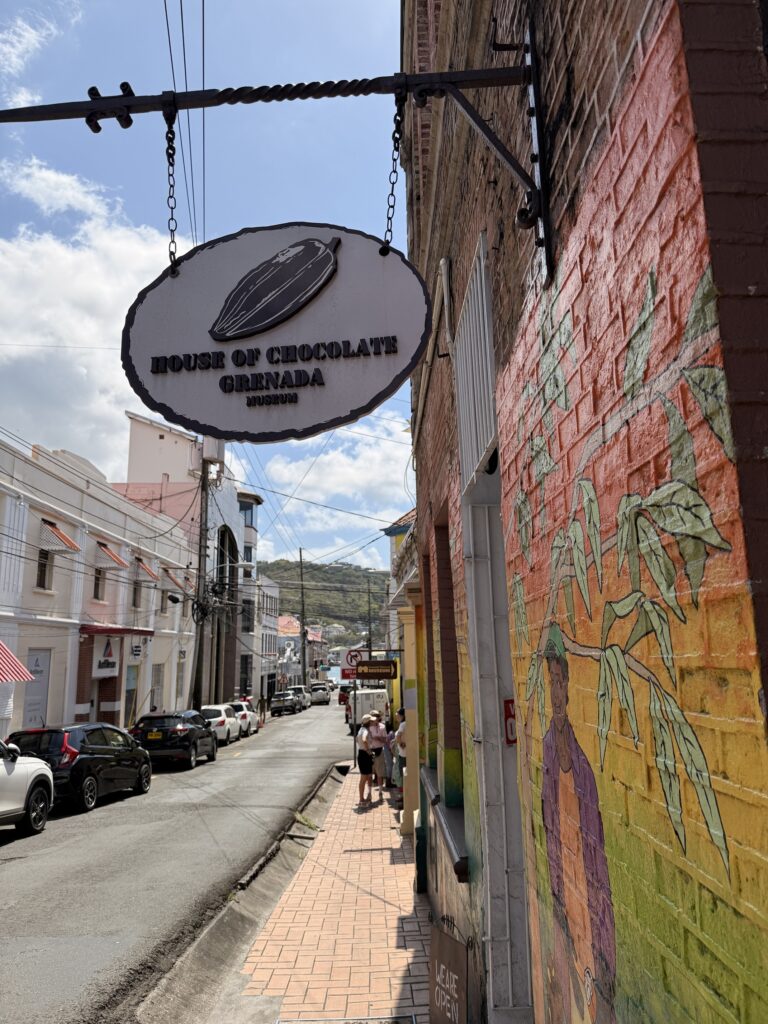
Cultural Events and Activities in Grenada: The Ultimate Guide to the Spice Isle’s Celebrations
Cultural Events and Activities in Grenada- Key Highlights Introduction Culture in Grenada is not something you have…

Best Beaches in Grenada: A Guide to the Spice Isle’s Most Beautiful Shores
Best Beaches in Grenada- Key Highlights Introduction I spent a lot of time on Grenada’s beaches. More…
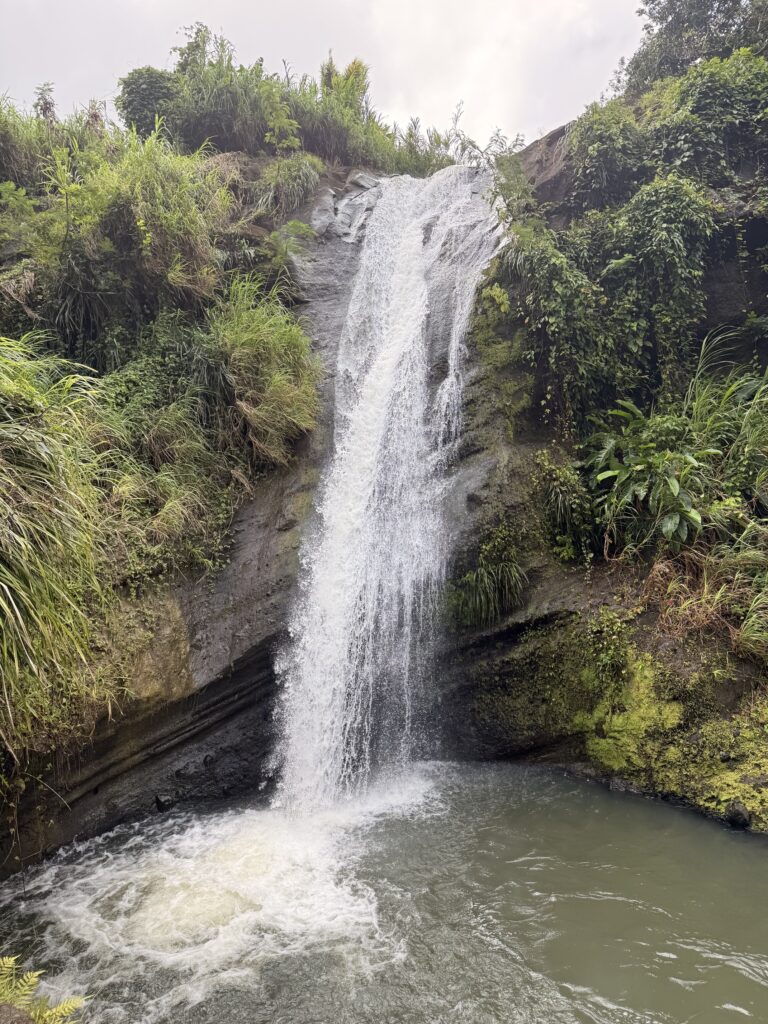
Best Places to Visit in Grenada for Travelers
Best Places to Visit in Grenada- Key Highlights Introduction One of the things I love most about…