
Travel Guide to Mumbai, India

Ra's Travel Guide to Mumbai
Formerly known as Bombay, enter the City of Dreams; the ultimate travel guide to Mumbai.
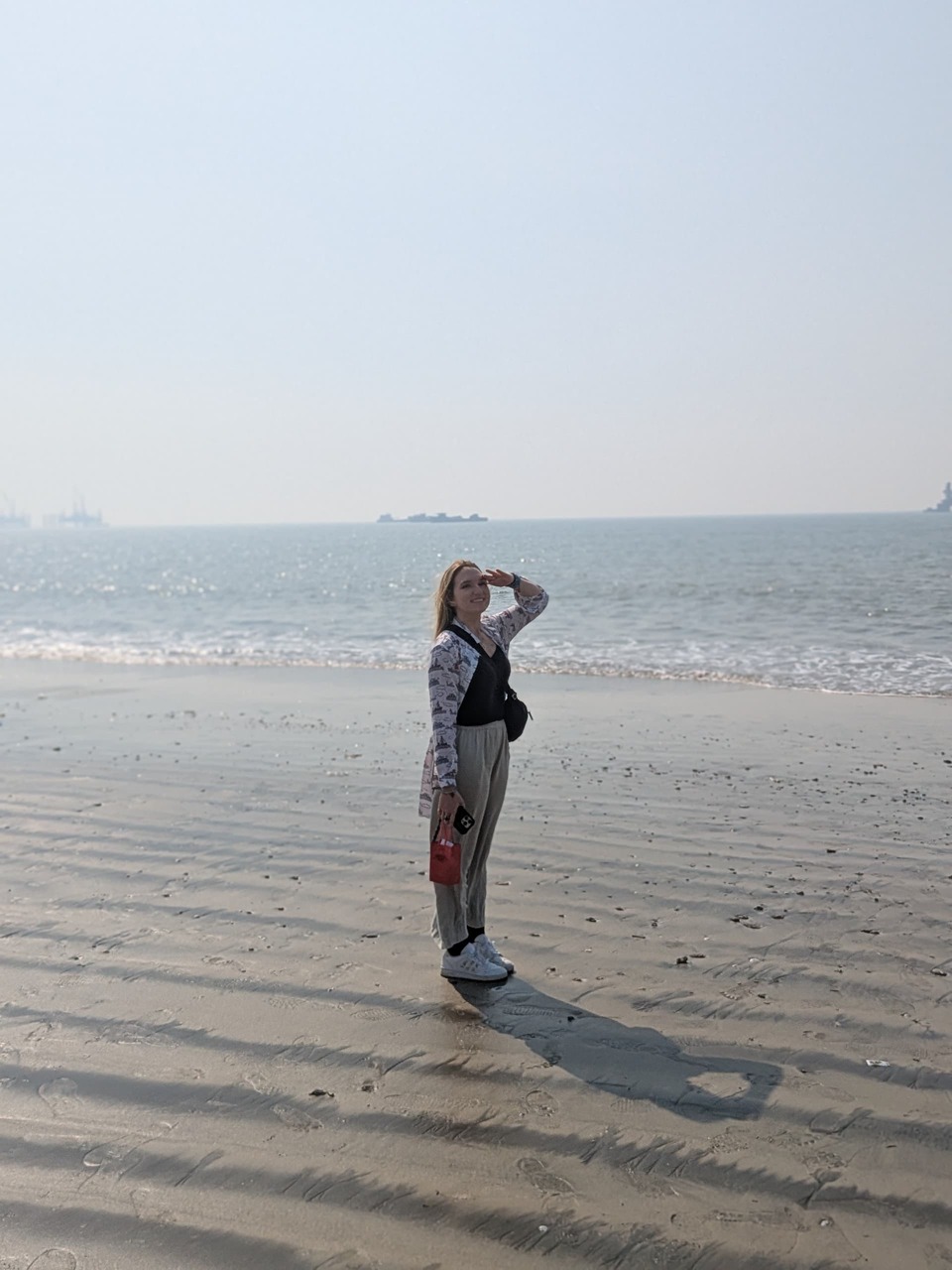
Travel Guide to Mumbai- Key Highlights
- Mumbai is an intense, magnetic city where contrasts define the experience from Bollywood glamour to street food carts, colonial architecture to skyscrapers.
- Chhatrapati Shivaji Maharaj International Airport makes Mumbai highly accessible globally, but navigating the city requires planning due to heavy traffic and congestion.
- Neighborhood choice shapes your trip: tourist-friendly Colaba and historic Fort to trendy Bandra West and quieter, beachy Juhu.
- Mumbai offers a mix of iconic landmarks and deeply cultural experiences, including the Gateway of India, Elephanta Caves, Dharavi tours, and Sanjay Gandhi National Park.
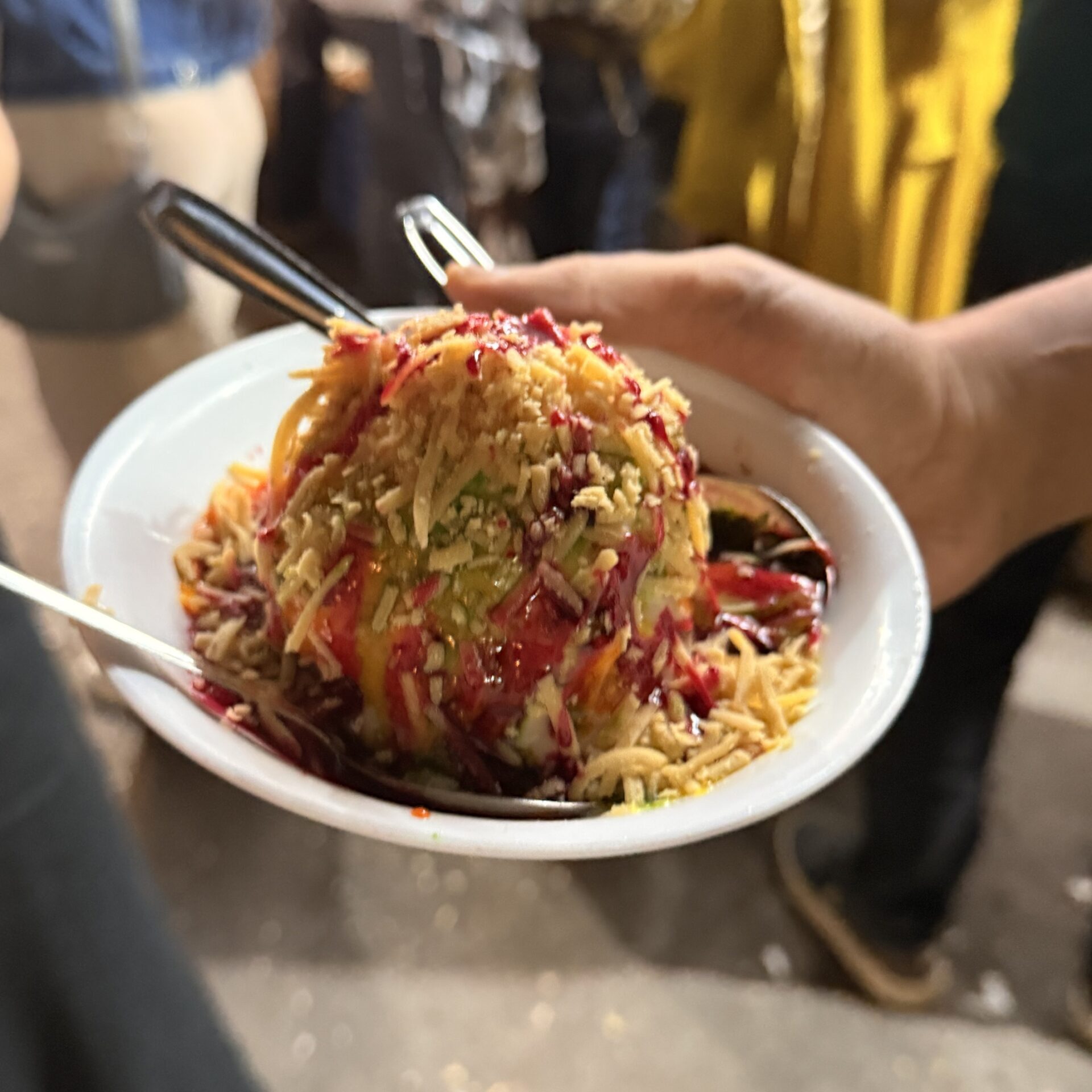
- The city is one of the world’s best food destinations, especially known for its vibrant street food culture with must-tries like vada pav, pani puri, and pav bhaji.
Introduction
There is no city in India quite like Mumbai. It is loud, layered, overwhelming, and completely magnetic. The city of dreams, formerly Bombay, is where Bollywood glamour meets colonial architecture, where fishermen cast nets beside soaring skyscrapers, and where the best street food you will ever eat is served from a cart on the side of the road. I arrived in Mumbai and was immediately swept up by the energy. It does not let you ease in. It pulls you right into the current. And by the end of my time there, I never wanted to leave. Use this travel guide to Mumbai to plan your visit and get the most out of India's most exhilarating city.
What Makes Mumbai Unique
There is a reason Mumbai stays with people long after they leave. It is not just a place you visit, it is a place you feel. What makes Mumbai truly unique is the way extremes coexist without contradiction. Wealth and struggle, tradition and modernity, chaos and rhythm all coexist in a way that somehow works. One moment you are walking past colonial-era buildings in Fort, the next you are in the middle of a buzzing street market, and by sunset you are watching the Arabian Sea stretch endlessly from Marine Drive.
Mumbai is also defined by its people. There is an undeniable hustle here, but it is paired with resilience, warmth, and an openness that makes the city feel alive. Whether it is a street vendor handing you your first vada pav, a taxi driver navigating impossible traffic, or locals gathering at Chowpatty Beach at sunset, everyday life in Mumbai becomes part of your experience.
Essential Tips for First-Time Visitors
For first-time visitors, the biggest adjustment is the intensity. Mumbai moves fast, and it can feel overwhelming at first, but leaning into that energy is key. Do not try to “see everything” in a rigid way. Instead, allow time to wander, observe, and absorb.
A few essential tips will make your experience smoother:
- Start your days early. Mornings in Mumbai are calmer, cooler, and often the most beautiful time to explore major sites like the Gateway of India or Marine Drive.
- Build extra time into everything. Traffic is unpredictable and often heavy. What looks like a short distance on a map can take much longer in reality.
- Dress for the climate and culture. Lightweight, breathable clothing is essential in the heat and humidity, and modest dress is appreciated, especially at religious sites.
- Stay hydrated and be mindful of street food. Mumbai’s street food is incredible, but stick to busy vendors with high turnover and consider bottled water only.
- Be open, but aware. Mumbai is generally safe, but like any major city, keep an eye on your belongings and be cautious in crowded areas.
- Say yes to experiences that push your comfort zone. Whether it is taking a local train for a short ride, joining a guided tour of Dharavi, or trying a new dish, Mumbai rewards curiosity.
Ultimately, Mumbai is not about ticking off landmarks. It is about immersing yourself in the rhythm of the city. If you let it, it will challenge you, surprise you, and completely win you over.
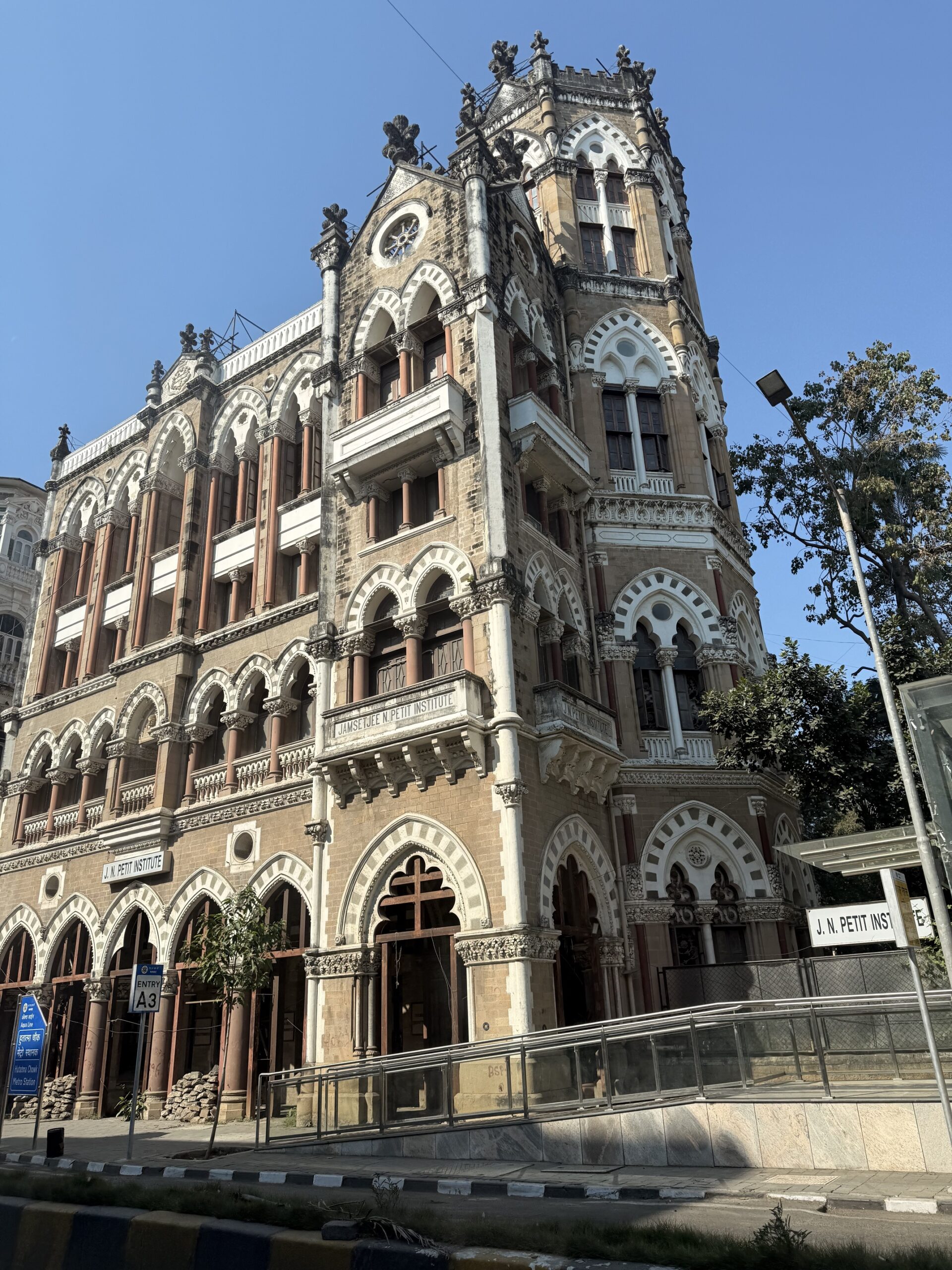
How to Get to Mumbai
Mumbai is India's second-largest city and one of its most internationally connected hubs. Chhatrapati Shivaji Maharaj International Airport (BOM) handles flights from dozens of countries, with major carriers including Air India, IndiGo, Emirates, and Etihad offering direct or one-stop connections from North America, Europe, and the Middle East.
Plane
Flying is the most common and efficient way to reach Mumbai. International travelers will arrive at Terminal 2 (T2), a modern, well-organized terminal with currency exchange, SIM card kiosks, and transportation counters. Domestic flights typically use Terminal 1 (T1), located about 5–6 km away.
- From North America/Europe: Most routes include one stop (often in the Middle East or Delhi). Total travel time typically ranges from 14–20+ hours, depending on connections.
- From the Middle East: Direct flights are frequent and relatively short, around 2.5–4 hours.
- From within India: Mumbai is a major domestic hub, with frequent flights from cities like Delhi, Goa, Jaipur, and Bangalore, typically taking 1–2.5 hours.
Once you land, getting into the city is straightforward, but traffic can significantly impact travel time.
- Prepaid Taxi: Available at official counters inside the airport. Expect to pay ₹500–₹1,200 ($6–$15 USD) depending on distance and vehicle type. Reliable and hassle-free.
- Ride Apps (Uber/Ola): Widely used and often slightly cheaper. Pickup zones are clearly marked outside arrivals. Pricing is dynamic but typically falls in the same range as taxis.
- Travel Time: Anywhere from 40 minutes to 90+ minutes, depending on traffic and your destination (South Mumbai will take longer).
- Private Transfers: Many hotels offer pre-arranged pickups, usually ₹1,500–₹3,000 ($18–$36 USD) — a good option if arriving late at night.
Train
India’s rail network is extensive, and Mumbai is one of its key nodes. Long-distance trains arrive at major stations like Chhatrapati Shivaji Maharaj Terminus (CST) and Mumbai Central railway station.
- Popular Routes:
- Delhi to Mumbai: 16–20 hours
- Jaipur to Mumbai: 16–18 hours
- Goa to Mumbai: 8–12 hours
- Classes: Options range from basic sleeper class to air-conditioned tiers (AC 3-tier, AC 2-tier, and AC First Class). For comfort and safety, book AC classes in advance.
- Booking: Use the official IRCTC website or platforms like 12Go Asia. Tickets can sell out quickly, especially on popular routes.
Bus
For shorter distances, buses are a budget-friendly option, especially from nearby states like Maharashtra and Goa.
- Operators: Government-run and private companies operate daily services.
- From Goa: Overnight sleeper buses take 10–14 hours, costing roughly ₹800–₹2,000 ($10–$24 USD) depending on comfort level.
- Comfort Levels: Range from basic non-AC buses to AC sleeper coaches with reclining beds. Opt for AC sleeper buses for longer journeys.
Car
Hiring a car with a driver is a common and relatively affordable option in India, especially for flexible travel.
- From Pune (nearest major city): Around 3–4 hours via the Mumbai–Pune Expressway.
- From Goa: A long but scenic journey of 10–12 hours.
- Cost: Typically ₹3,000–₹8,000+ ($36–$96 USD) depending on distance and vehicle type.
Self-driving is possible but not recommended for first-time visitors due to traffic conditions and driving norms.
When I visited Mumbai, I was traveling with a local who arranged our travel and transportation for us. We had a connection flight in Istanbul to Mumbai and then had a car arranged to take us from the airport to our hotel. When you land, there will be a lot of taxis, Ubers, and rickshaws trying to get you to hire them, so it can be an abrupt introduction to India's transportation right from the airport.
For convenient travel planning, cost evaluation, and exploring various transportation options, Rome2rio is a valuable tool. It offers comprehensive information, suggests routes and stops, and enables customized and well-informed travel experiences. Furthermore it allows travelers to seamlessly plan their journey and make informed decisions based on their preferences. Discover more at Rome2rio.
Where to Stay in Mumbai, India
Choosing where to stay in Mumbai is less about finding the “best” neighborhood and more about finding the right fit for how you want to experience the city. Mumbai is vast, traffic can be heavy, and each area has its own rhythm. For first-time visitors, staying in South Mumbai puts you close to major sights, while neighborhoods like Bandra or Juhu offer a more local, lifestyle-driven experience. Wherever you choose, proximity matters more than distance on a map.
Accommodation prices vary widely. Budget hostels start from around ₹600 ($7 USD) per night, mid-range hotels typically range from ₹3,000–₹7,000 ($36–$85 USD), and luxury stays can easily exceed ₹15,000+ ($180+ USD) per night, especially in peak season (October to March), when booking early is essential.
Colaba (South Mumbai): Best for First-Time Visitors
Colaba is the heart of tourist Mumbai and one of the most convenient places to base yourself. You are within walking distance of iconic landmarks like the Gateway of India and the famous Taj Mahal Palace Hotel, as well as the buzzing Colaba Causeway market. The area is lively, walkable, and packed with restaurants, cafes, and historic charm.
- Price Range: ₹2,500–₹20,000+ per night
- Best For: First-time visitors, walkability, sightseeing
- Stay Options:
- Budget: Backpacker hostels and simple guesthouses tucked into side streets
- Mid-range: Boutique hotels with colonial-era character
- Luxury: Taj Mahal Palace Hotel — an iconic, once-in-a-lifetime stay overlooking the Arabian Sea
Fort: Best for Architecture, Culture, and Walkability
Just north of Colaba, Fort feels like stepping into another era. This neighborhood is filled with colonial buildings, galleries, cafes, and cultural institutions. It is quieter at night but incredibly central and perfect for slow exploration.
- Price Range: ₹3,000–₹12,000 per night
- Best For: History lovers, architecture, and cultural travelers
- Stay Options:
- Mid-range: Heritage-style hotels and business hotels
- Boutique: Smaller properties with design-forward interiors
- Nearby Highlights: Kala Ghoda and Chhatrapati Shivaji Maharaj Terminus
Bandra West: Best for Trendy, Local Vibes
Bandra West is where Mumbai feels modern, creative, and effortlessly cool. Known for its street art, cafes, nightlife, and coastal promenades, this is where locals actually hang out. It is a bit removed from South Mumbai sights, but offers a more lived-in experience.
- Price Range: ₹3,500–₹15,000+ per night
- Best For: Foodies, nightlife, longer stays, digital nomads
- Stay Options:
- Budget: Stylish hostels and serviced apartments
- Mid-range: Boutique hotels and Airbnb-style stays
- Upscale: Chic design hotels and luxury apartments
- Nearby Highlights: Bandstand Promenade
Juhu: Best for Beach Access and Convenience
Juhu offers a more relaxed, residential feel compared to the intensity of South Mumbai. Located closer to the airport, it is ideal if you have a short stay or early flights. While the beach is more for atmosphere than swimming, it is a great place to experience local life.
- Price Range: ₹3,000–₹18,000+ per night
- Best For: Short stays, airport access, quieter environment
- Stay Options:
- Mid-range: Business hotels and comfortable chains
- Luxury: Beachfront hotels like JW Marriott Mumbai Juhu
- Nearby Highlights: Juhu Beach
Lower Parel: Best for Modern Comfort and Central Access
Lower Parel is a redeveloped commercial district that has transformed into one of Mumbai’s most convenient and modern areas. It is well-connected, packed with restaurants, shopping malls, and nightlife, and offers a more polished, less chaotic stay.
- Price Range: ₹4,000–₹20,000+ per night
- Best For: Mid-range to luxury travelers, business travelers, and convenience
- Stay Options:
- Mid-range: Well-known hotel chains with reliable comfort
- Luxury: High-rise hotels with skyline views and modern amenities
- Nearby Highlights: High-end malls and dining hubs like High Street Phoenix
When I visited Mumbai, it was a quick two-day stopover before heading to Delhi. Therefore, our group opted to stay relatively close to the airport so we could make our very early departure flight. While a little on the fancier side, the hotel was fairly priced and had high security with car searches and security before entering the hotel. I highly recommend booking in the area closest to where you'll be spending the most time to avoid getting caught in long traffic jams.
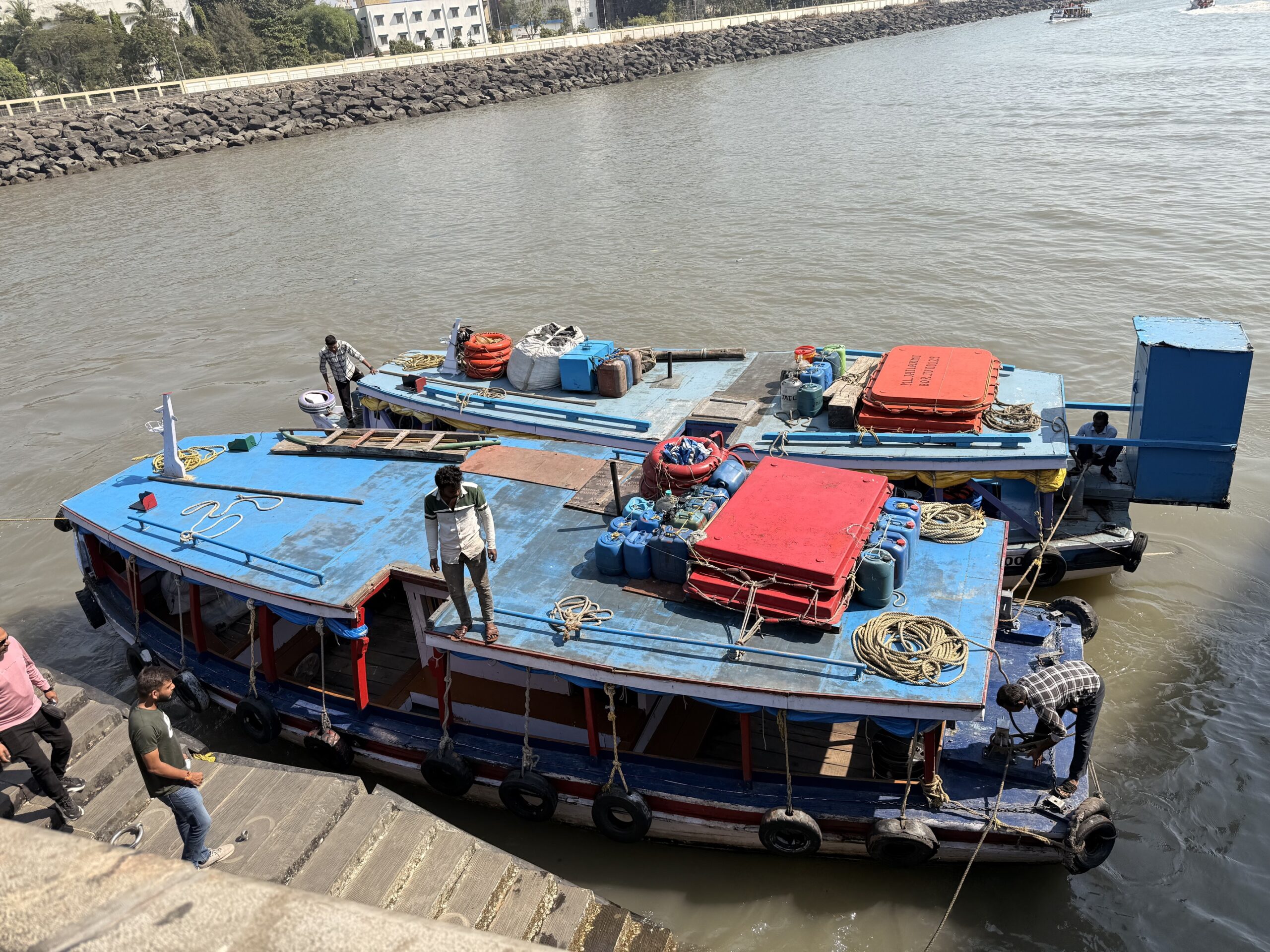
Guides to India
Getting Around Mumbai, India
Car
While you can drive and get around Mumbai by car, in general, I would not recommend renting a car and driving around any city in India if you're a foreigner. When you arrive, you will see why. Driving in India is a whole other beast. People are aggressive, the roads are crowded, there's a lot of traffic, and parking is limited. I highly recommend exploring one of the other options below.
Mumbai Metro and Local Trains
The Mumbai Metro is the easiest, most tourist-friendly way to get around. It is clean, air-conditioned, and affordable. The local suburban train network covers far more of the city, but can be extremely crowded during rush hours. It is a genuine Mumbai experience if you're game, but not the most practical option for every trip with luggage or on a tight schedule.
Bike
Toronto has an expanding network of bike lanes and trails. For visitors, Bike Share Toronto is an easy-to-use rental system with hundreds of docking stations around the city. You can pick up a bike, ride it for short trips, and return it to any station. This is a fun, healthy, and eco-friendly way to explore neighborhoods like the Waterfront Trail, High Park, or the Don Valley.
Streetcars
Toronto’s streetcars are iconic and practical, offering scenic rides through neighborhoods like Queen West, the Distillery District, and Riverside. They operate on major downtown routes and are great for shorter trips. You’ll board at the front and tap your PRESTO card or pay a fare. Streetcars are especially useful if you want to explore downtown while avoiding traffic or long walks.
Taxi, Uber, and Ola
This is how we primarily got around Mumbai. The pricing is simple, transparent, and eliminates the stress of negotiation. Make sure to download any apps before arrival, and always make sure the meter is on.
Rickshaws
Rickshaws are only available in the suburbs (not South Mumbai). Always ask the driver to use the meter or agree on a fare first. They are a fun, affordable way to zip around once you get the hang of it.
Walking
South Mumbai neighborhoods like Colaba, Fort, and the Kala Ghoda arts district are very walkable and a joy to explore on foot. Invest in comfortable shoes and just wander. You will always end up somewhere interesting.
What to Do in Mumbai, India
Mumbai is not a city you experience through a checklist. It is one you move through, moment by moment. Yes, there are iconic landmarks and must-see sites, but what makes Mumbai unforgettable is everything in between: the rhythm of daily life, the contrasts around every corner, and the way the city constantly pulls you in different directions. One minute you are standing in front of the Gateway of India, the next you are navigating a buzzing market or watching the sunset along the Arabian Sea. The key is to balance the highlights with curiosity, see the landmarks, but also leave room to wander, explore, and let the city reveal itself in unexpected ways.
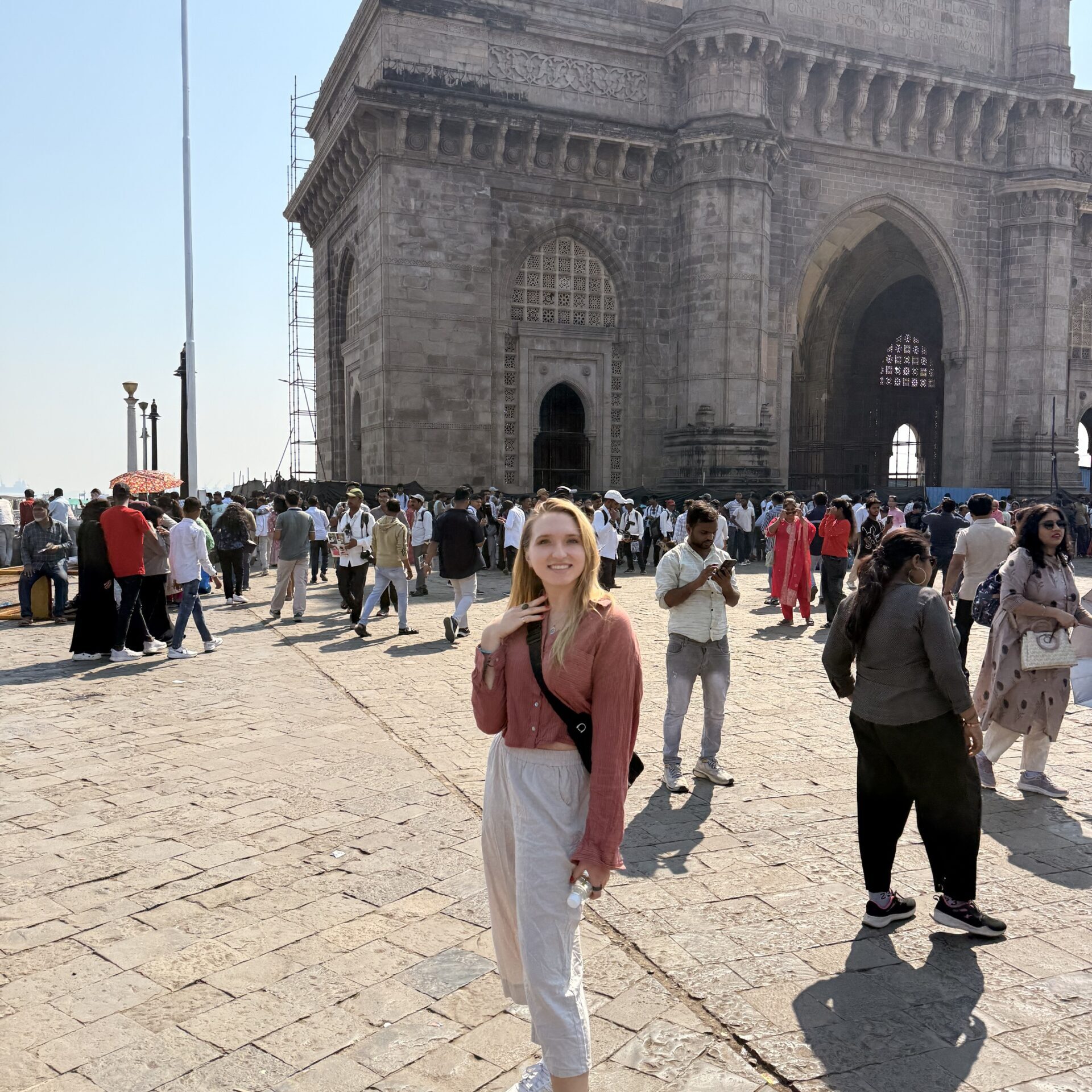
Gateway of India
This is the landmark that announces to the world: you have arrived in Mumbai. Built in Indo-Saracenic style to commemorate King George V's 1911 visit, the triple-arched basalt arch sits dramatically on the waterfront at Apollo Bunder in Colaba. It is stunning at any time of day, but golden hour is particularly magical. From here, you can also take a ferry to Elephanta Island, more on that below. Expect long lines to enter and crowds.
Elephanta Caves
Chhatrapati Shivaji Maharaj Terminus (CST)
You might recognize it from the news or from the film Slumdog Millionaire. This UNESCO World Heritage building is one of the most beautiful train stations in the world. Built by the British in Victorian Gothic Revival style and completed in 1888, it remains a fully functioning train station that sees millions of commuters daily. Walk around the exterior and marvel at the gargoyles, turrets, stained glass, and pointed arches. Step inside if you can to soak in the energy of the world's busiest rail hub.
Marine Drive
Stretching 3.6 kilometers along the Arabian Sea coastline, Marine Drive, also called the Queen's Necklace for the way its streetlights look like a string of pearls at night, is one of Mumbai's most beloved promenades. Come at sunset to watch the sky turn extraordinary colors over the water, or stroll here early morning when the city feels still. The Art Deco buildings lining the road are stunning, and Mumbai has more Art Deco architecture than any city in the world except Miami.
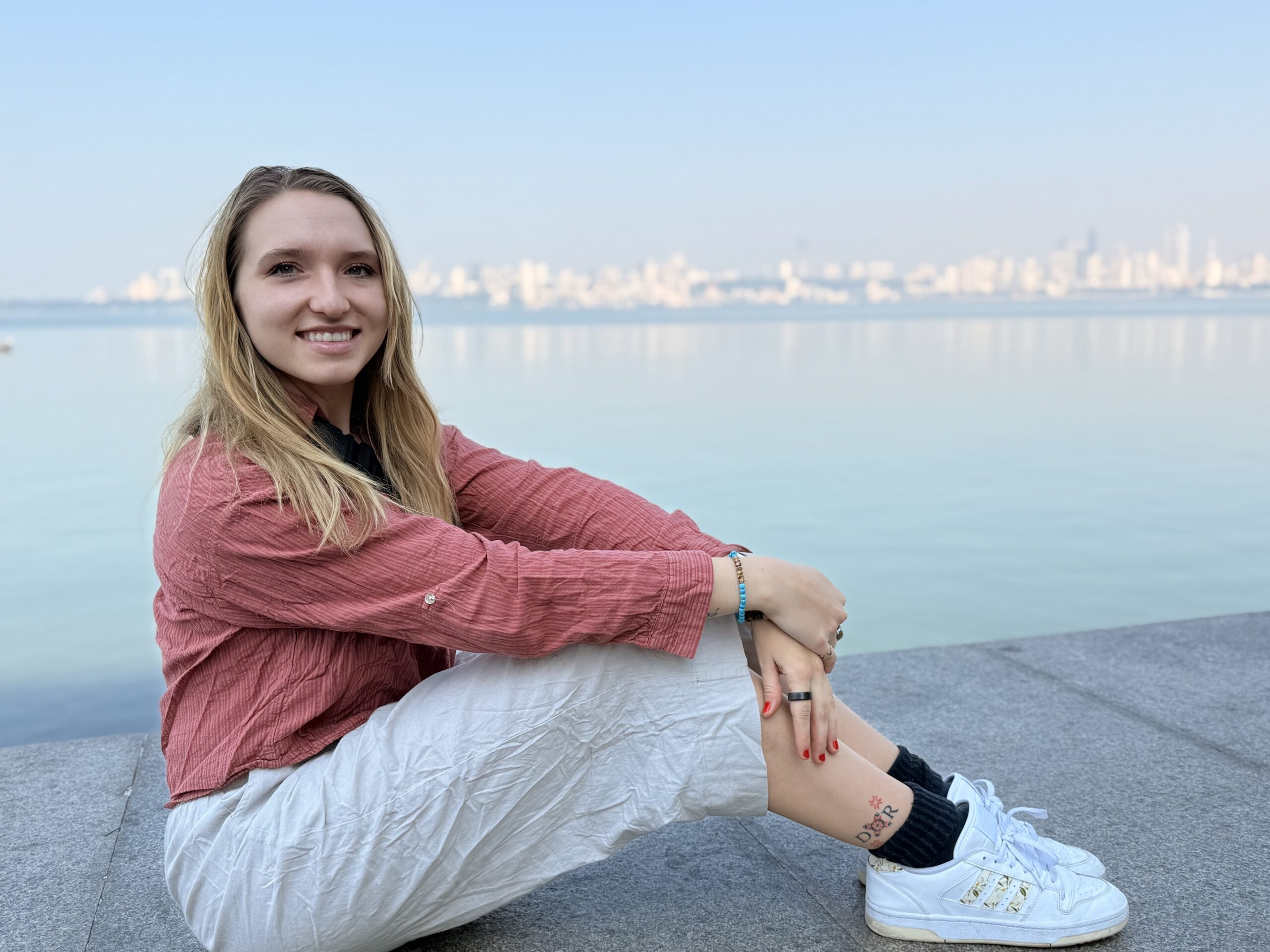
Colaba Causeway Market
Right in the heart of South Mumbai, this bustling street market is a paradise for bargain hunters and souvenir seekers. You will find everything from clothing and jewelry to brass figurines and leather goods. Haggling is expected and completely part of the fun. Start at around 50% of the asking price and meet somewhere in the middle.
Dharavi Walking Tour
Dharavi is one of Asia's largest urban settlements and an incredibly vibrant, self-sustaining community. A guided walking tour, book one with a responsible operator that supports the local economy, is one of the most eye-opening and humanizing travel experiences I have ever had. You will visit pottery workshops, recycling units, bakeries, and see a community that produces goods exported worldwide. Go with an open mind and leave your assumptions at the door.
Chowpatty Beach
Chowpatty is not the kind of beach you come to for a swim; it is more of a people-watching, street food-eating, city-life-absorbing experience. The sand fills up with Mumbaikars of every background: families, couples, kids flying kites, vendors selling bhel puri and pani puri. It is joyful and chaotic and very, very Mumbai.
Kala Ghoda Arts District
Tucked between Colaba and Fort, this small but beautifully preserved neighborhood is home to Mumbai's art scene. Heritage buildings house galleries, the stunning Chhatrapati Shivaji Maharaj Vastu Sangrahalaya museum (worth a visit for both its exhibits and its spectacular domed building), artisan cafes, and independent boutiques. The neighborhood also hosts the annual Kala Ghoda Arts Festival every February, one of the best in the country.
Bandra and the Bandstand Promenade
Head north to Bandra for a completely different side of Mumbai. Walk the Bandstand Promenade along the sea, hunt down Ranjit Dahiya's famous Bollywood murals, browse the indie coffee shops and vintage boutiques of Hill Road, and stop in at one of the many excellent restaurants the neighborhood is known for. In the evening, Bandra transforms into Mumbai's most atmospheric neighborhood for a drink and a meal.
Sanjay Gandhi National Park and Kanheri Caves
It is genuinely surreal that one of the world's largest national parks sits inside a megacity. Sanjay Gandhi National Park covers over 100 square kilometers of forested land right within Mumbai's city limits and is home to leopards, deer, and incredible birdlife. Within the park, the Kanheri Caves are a complex of ancient Buddhist caves carved into basalt hills dating back to the 1st century BCE. A very cool hidden gem.
Siddhivinayak Temple
One of the most important and visited Hindu temples in Mumbai, Siddhivinayak, is dedicated to Lord Ganesha and draws thousands of devotees daily. Even if you are not religious, the atmosphere of devotion is moving. Dress respectfully, remove your shoes, and be patient with the queues.
Conclusion
There's so much to see and experience in Mumbai that my couple of days there was not nearly enough time. In addition to the sites mentioned above, Mumbai is one of the great food cities of the world. Its street food culture alone could take a week to properly explore. Must-tries include Vada Pav (the city's beloved spiced potato patty in a bread bun), Pav Bhaji (spiced mashed vegetables with buttered rolls), Pani Puri (hollow crispy shells filled with spiced tamarind water), and Bhel Puri (a tangy puffed rice snack). For a sit-down experience, try a traditional Parsi lunch at Britannia & Co. in Ballard Estate or a South Indian thali at Chetana in Kala Ghoda. The craft beer scene in Bandra is worth exploring in the evenings, with venues like HAPI Beer Co. and Doolally pouring excellent local brews. Be sure to use this travel guide to Mumbai to maximize your experience!
Frequently Asked Questions & Information
When is the Best Time to Visit Mumbai?
The best time to visit Mumbai is between October and March, when the weather is noticeably cooler and easier to explore. The city is still lively year-round, but the humidity and monsoon rains can make travel feel more intense outside of these months.
Is English Spoken in Mumbai?
Yes, English is widely spoken, especially in hotels, restaurants, and tourist areas. You should not have trouble communicating during your visit.
Can You Drink the Tap Water in Mumbai?
No, it is best to stick to bottled or filtered water during your stay. This helps avoid any stomach issues.
Is Mumbai Safe for Tourists?
Yes, Mumbai is generally safe for tourists, including solo travelers. Like any major city, you should stay aware of your surroundings, especially in crowded areas and at night.
Travel Tip
Plan your itinerary so that the attractions/experiences you plan for each day are closest in location to avoid long traffic jams.
My Playlist for Mumbai, India
“Jai Ho” by A.R. Rahman
“Mumbai” by Nucleya
“Breathe” by Shankar, Ehsaan, and Loy
“Unstoppable” by Sandaru Sathsara
“Bom Diggy” by Zack Knight, Jasmin Walia
Recommended Reads
Cultural Events and Activities in Grenada: The Ultimate Guide to the Spice Isle’s Celebrations
Cultural Events and Activities in Grenada- Key Highlights Introduction Culture in Grenada is not something you have…
Best Beaches in Grenada: A Guide to the Spice Isle’s Most Beautiful Shores
Best Beaches in Grenada- Key Highlights Introduction I spent a lot of time on Grenada’s beaches. More…
Best Places to Visit in Grenada for Travelers
Best Places to Visit in Grenada- Key Highlights Introduction One of the things I love most about…