

Safety Tips for Traveling in India: Everything You Need to Know Before You Go
 ramblingtravel
April 26
8 min read
ramblingtravel
April 26
8 min read

Safety Tips for Traveling in India-Key Highlights
- India is visited by millions of tourists annually and is generally safe, but it does require extra awareness compared to some destinations.
- Petty crime, scams, and tourist overcharging are more common than violent crime.
- Ride-share apps, licensed guides, and reputable tour operators are your best allies.
- Food and water safety require real attention. Delhi belly is the single biggest health challenge most travelers face.
- With the right preparation, India is absolutely manageable and deeply rewarding.
Introduction
Before I traveled to India, I read every article I could find about safety, and most of them left me either terrified or confused. The reality I found on the ground was more nuanced and more manageable than the internet sometimes suggests. India is not a dangerous country for tourists. Violent crime against visitors is genuinely rare. What you do need to watch out for is a combination of petty theft, scams targeting tourists, street food safety, and the very real challenge of navigating a country that is loud, complex, and unlike anywhere you have been before. The more prepared you are, the more incredible the experience becomes. Here are my top safety tips for traveling in India.
1. Use Uber or Ola Instead of Unmetered Taxis
This is probably the single most impactful safety tip for getting around Indian cities. Ride-share apps like Uber and Ola give you a fixed price upfront, a GPS-tracked route, a named driver, and a record of your journey. Unmetered taxis and rickshaws can and do overcharge tourists, and negotiating in a new city when you are tired and jet-lagged is genuinely stressful. Download both apps before you land. At airports, especially where unofficial taxis and aggressive touts can be overwhelming, heading straight to the official prepaid taxi counter or opening your Uber app is a game-changer.
2. Know the Common Scams Before You Arrive
India’s tourist scams are elaborate, often friendly, and can be genuinely convincing. The most common ones to know about:
1) The fake tour office. Someone approaches you claiming your hotel burned down, the train is cancelled, or there is a government-mandated tour requirement. It is false.
2) The gem or carpet resale scam. You are convinced you can make money reselling items back home. You cannot.
3) The commission-shop redirect. Your driver or guide takes you to a shop where they receive a kickback; always feel free to decline politely.
4) The fake guide. Only hire licensed guides at monuments booked through the official ticket counter. Trust your instincts. If something feels off, walk away without engaging.
3. Drink Only Bottled or Filtered Water
Tap water in India is not safe to drink for most international visitors. This is one of the non-negotiables. Buy bottled water from reputable brands, make sure the seal is unbroken before you open it, and use bottled water even for brushing your teeth if your stomach is on the sensitive side. Ice in drinks is worth being cautious about at street stalls; most mid-range restaurants use filtered ice. Staying properly hydrated is also important; the heat can be intense, and dehydration sneaks up fast.
4. Be Smart About Street Food
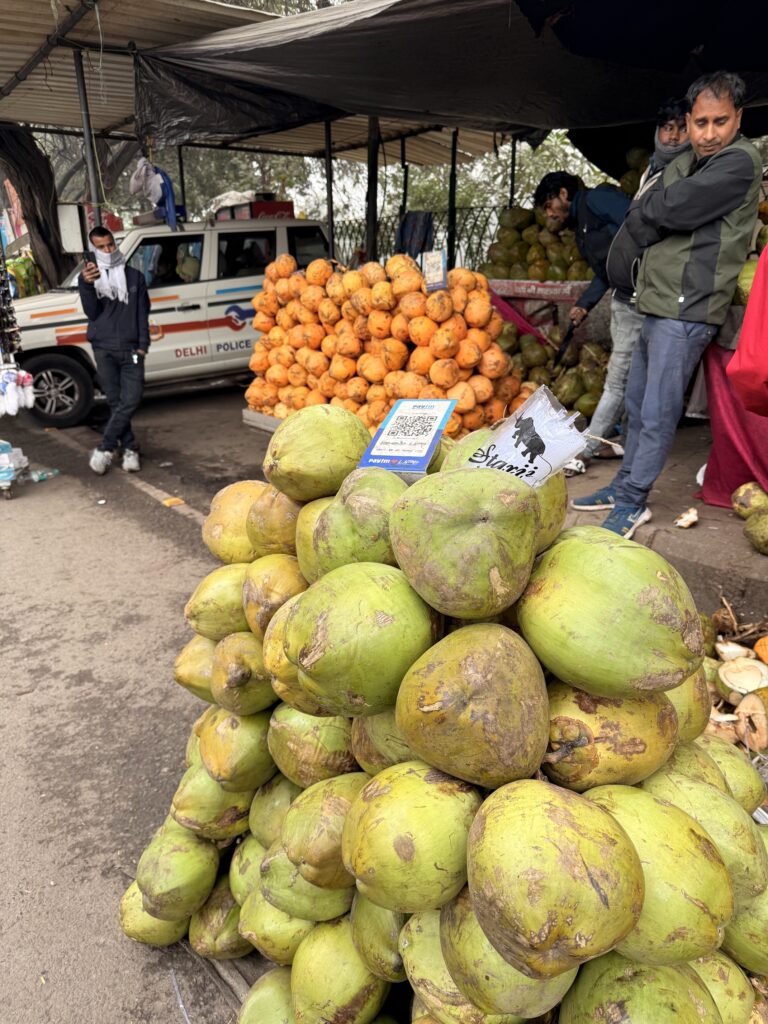
Street food is one of the greatest pleasures of traveling in India, and you absolutely should eat it. The golden rule is simple: choose stalls with high turnover. If there is a queue of locals, the food is almost certainly fresh and safe. Avoid anything that has been sitting out. Stick to freshly cooked dishes where you can see the food being made in front of you. Items like samosas, pakoras, dosas, and most grilled meats are generally safe bets. Be a little more cautious with raw salads, cut fruit from street carts, and anything with pre-mixed sauces that might have been sitting for a while. Carry some probiotics and an oral rehydration packet just in case.
5. Dress Modestly, Especially in Religious Spaces
India is culturally conservative in many parts, particularly outside of major cities and in religious spaces. Covering your shoulders and knees is a mark of respect everywhere, in temples, mosques, gurudwaras, and many local neighborhoods. Women in particular will find that dressing modestly significantly reduces unwanted attention and staring. Carry a lightweight scarf or shawl that can double as a head covering when needed. Men should avoid going shirtless outside of beach areas.
6. Guard Against Petty Theft in Crowded Areas
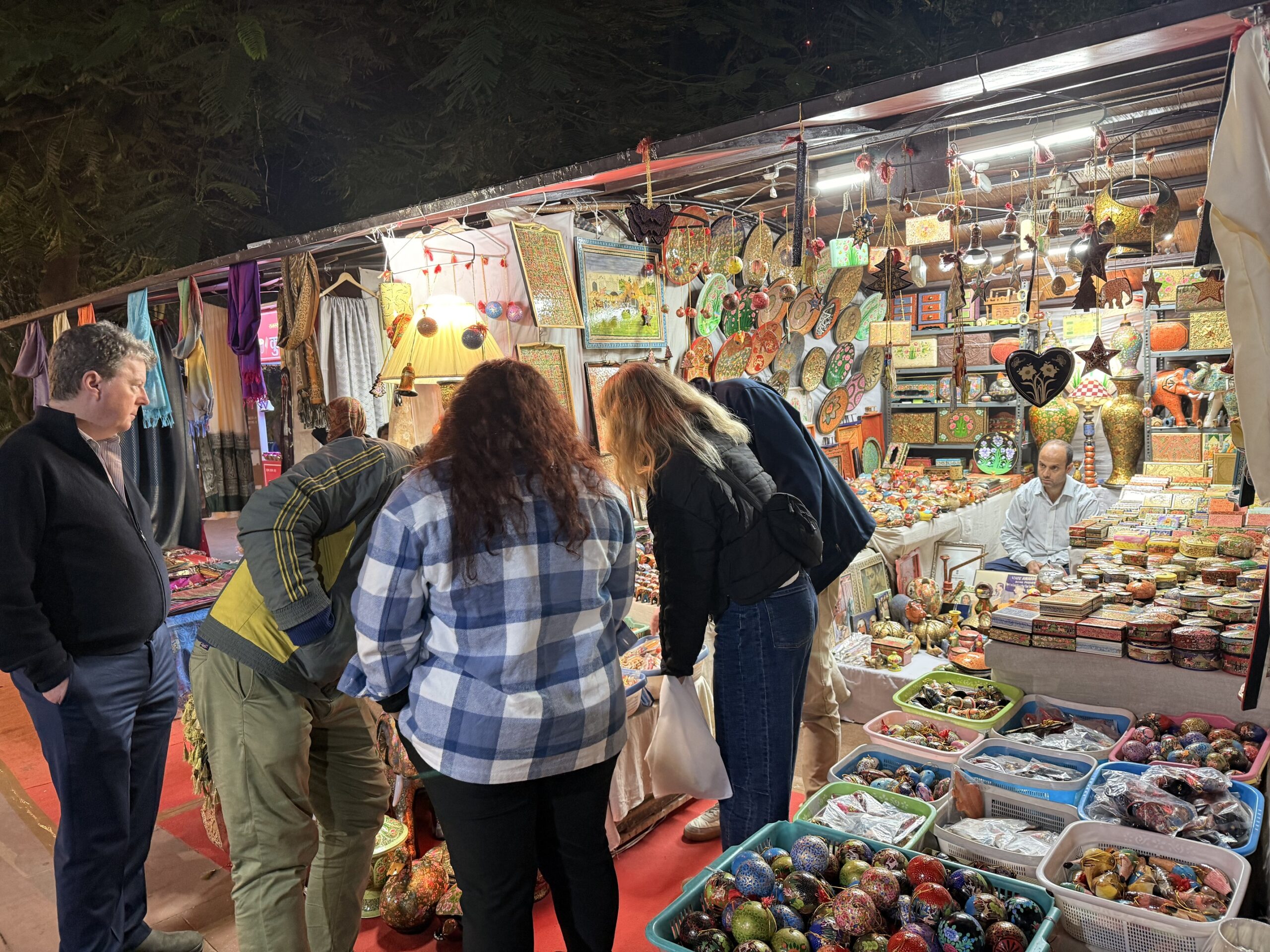
Pickpocketing exists in India, mainly in very crowded public spaces like busy markets, festivals, train stations, and packed metro carriages. Keep your phone in a front pocket or a secured bag, use a crossbody bag rather than a backpack with exterior pockets, and do not flash expensive jewelry or tech equipment unnecessarily. A small padlock for your bag zippers is worth bringing. Violent robbery is rare; opportunistic theft from inattentive tourists is more common and very preventable.
7. Stay in Well-Reviewed Accommodations
Book your accommodation through reputable platforms and read recent reviews, paying particular attention to comments about safety, cleanliness, and the area surrounding the hotel. In cities like Delhi, certain areas around the airport have been associated with accommodation scams targeting newly arrived tourists. If you arrive somewhere that does not match the listing photos or feels wrong, leave immediately and find an alternative. International chain hotels, while sometimes pricier, are reliably safe and can be worth it for your first night in a new city.
8. Get Comprehensive Travel Insurance Before You Go
This is non-negotiable for India. Make sure your policy covers medical evacuation (hospitals in remote areas can be limited), trip cancellations, lost or stolen belongings, and ideally, adventure activities if you are planning anything off the beaten path. Medical care in India’s top private hospitals is excellent and relatively affordable, but you want to make sure you can access whatever you need without financial stress. Check your country’s travel advisory for India before departure and register with your embassy if recommended.
9. Safety Tips for Women Travelers
India has a complicated reputation when it comes to women’s safety, and it deserves an honest, nuanced take. Serious violent crime against female tourists is genuinely rare. What is more common is staring, unsolicited comments, and occasional boundary-crossing in crowded spaces. The practical tips that make the most difference: use ride-share apps rather than unmetered taxis, avoid walking alone in poorly lit areas after dark, trust your gut and walk away from any situation that makes you uncomfortable, and know that it is perfectly okay to be firm with anyone who makes you feel unsafe. Cities like Mumbai, Jaipur, Rishikesh, and Goa are widely considered among the most comfortable for solo female travelers. Delhi requires a bit more awareness, particularly in Old Delhi and at night.
10. Plan Your Night Arrivals Carefully
Arriving in a new Indian city late at night is when tourists are most vulnerable to scams, overcharging, and general confusion. Wherever possible, plan your travel so that you arrive during daylight hours. If a night arrival is unavoidable, pre-book an airport transfer through your hotel, or arrange a pickup through a trusted operator. Have the address and contact number of your accommodation saved offline in case your data connection is unreliable.
11. Protect Your Health
See your doctor or a travel health clinic before your trip. Depending on your itinerary, you may want to discuss vaccinations for hepatitis A and B, typhoid, and tetanus at a minimum. Malaria prophylaxis recommendations vary by region. Get specific advice for your itinerary. In winter months, Delhi and northern India can experience significant air pollution; an N95 mask is worth packing.
Carry a basic first aid kit including rehydration salts, an antihistamine, a broad-spectrum antibiotic (discuss with your doctor), antifungal cream, and a good insect repellent with DEET.
12. Have Emergency Numbers and Contacts Saved
India’s national emergency number is 112, which connects to police, ambulance, and fire services. The tourist helpline is 1800-11-1363. Save the address and phone number of your country’s embassy or consulate in both Delhi and the cities you are visiting. Keep digital and printed copies of your passport, visa, travel insurance policy, and emergency contacts somewhere separate from your main luggage.
Conclusion
India is one of the most rewarding travel experiences in the world, and the vast majority of visitors, including millions of solo women travelers, come away with overwhelmingly positive memories. The key is preparation, not paranoia. Know the scams, trust your instincts, use technology to your advantage, and stay open to the extraordinary warmth and hospitality that is genuinely the hallmark of the Indian people. Go. You will not regret it.
Considering a visit to India? Check out my Complete Travel Guide to India!
Frequently Asked Questions
Is India safe for solo female travelers?
Yes, many women travel solo in India, but it is important to take extra precautions. Dressing modestly, avoiding isolated areas at night, and using trusted transportation can help you feel more comfortable.
How can I avoid scams in India?
Be cautious of people who approach you unsolicited, especially around tourist sites. Use official counters, trusted apps, and confirm prices before agreeing to anything.
What should I know about cultural etiquette for safety?
Respecting local customs can help you avoid unwanted attention. Dressing modestly and being mindful at religious sites is especially important.
How do I handle unwanted attention?
It is best to stay confident and avoid engaging if something feels uncomfortable. A firm no and moving on usually works.
Interested in Visiting India? Explore More Travel Guides:
Recent Posts

Related Posts
Cultural Events and Activities in Grenada: The Ultimate Guide to the Spice Isle’s Celebrations
Cultural Events and Activities in Grenada- Key Highlights Introduction Culture in Grenada is not something you have…
Best Beaches in Grenada: A Guide to the Spice Isle’s Most Beautiful Shores
Best Beaches in Grenada- Key Highlights Introduction I spent a lot of time on Grenada’s beaches. More…
Best Places to Visit in Grenada for Travelers
Best Places to Visit in Grenada- Key Highlights Introduction One of the things I love most about…