
India

India
TSpices, color, and structured chaos; a complete travel guide to India.
Location
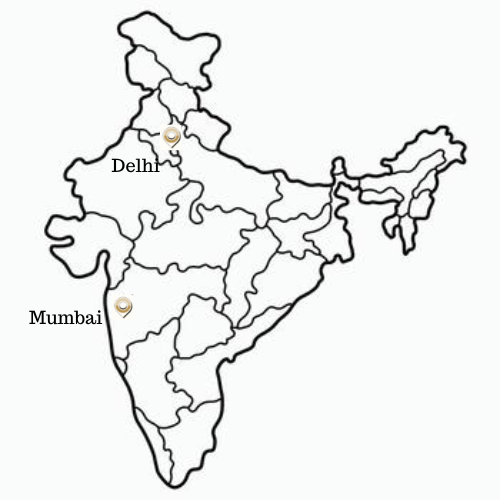
India is a country that defies easy description. The seventh-largest nation on earth, it sits at the heart of South Asia, sharing borders with Pakistan, China, Nepal, Bhutan, Bangladesh, and Myanmar, with the Indian Ocean wrapping around its southern edge. It is a land of staggering contrasts, ranging from ancient temples standing next to modern tech campuses, dusty desert highways giving way to snow-capped Himalayan peaks, bustling megacities melting into still, green backwaters. Nothing quite prepares you for it, and that is exactly the point. Use this travel guide to India to help plan and maximize every unforgettable moment of your trip.
What to Expect in India
Languages
Hindi is the most widely spoken language, and English is an official co-language that is broadly understood in cities, airports, hotels, and tourist areas. India actually recognizes 22 official languages in total, with hundreds of regional dialects spoken across its states. In major destinations like Delhi, Mumbai, Jaipur, and Goa, you will rarely struggle to communicate in English. In rural areas, a translation app is a helpful backup.
Currency
The official currency is the Indian Rupee (INR). ATMs are widely available in cities and tourist areas, and credit cards are accepted at most mid-range and upscale hotels, restaurants, and shops. That said, always carry some cash; markets, street food stalls, rickshaws, and smaller establishments typically run on cash only. Avoid airport exchange counters if you can; bank exchange counters and in-city authorized exchangers offer better rates. Digital payment apps like Google Pay, Paytm, and PhonePe are also very popular across India, even among street vendors.
Outlets
India uses outlet types C, D, and M, operating at 230V and 50Hz.
Transportation
Domestic flights connect all major cities and are often the most time-efficient option for longer distances. India's legendary rail network is both a practical mode of transport and a bucket-list experience; trains range from budget sleeper classes to luxurious air-conditioned coaches, and booking in advance through the IRCTC website is highly recommended. Within cities, the Delhi and Mumbai metro systems are clean, affordable, and reliable. Ride-share apps like Uber and Ola operate widely across major cities and are far safer and more consistent than hailing tuk-tuks or taxis off the street. Auto-rickshaws are fun for short hops, but always agree on a price first or insist on the meter.
Safety
India is visited by millions of international tourists each year and is generally safe, though it does require a bit more awareness than some destinations. Petty crime, like pickpocketing and scams targeting tourists (particularly at airports and major monuments) are more common than violent crime. As a female traveler, I felt more comfortable during daylight hours and in busy, well-lit areas, and always traveled with a local guide or a group. There are high rates of crime and assault against women. Dress modestly, especially near religious sites, and trust your instincts.
My Favorite Memories
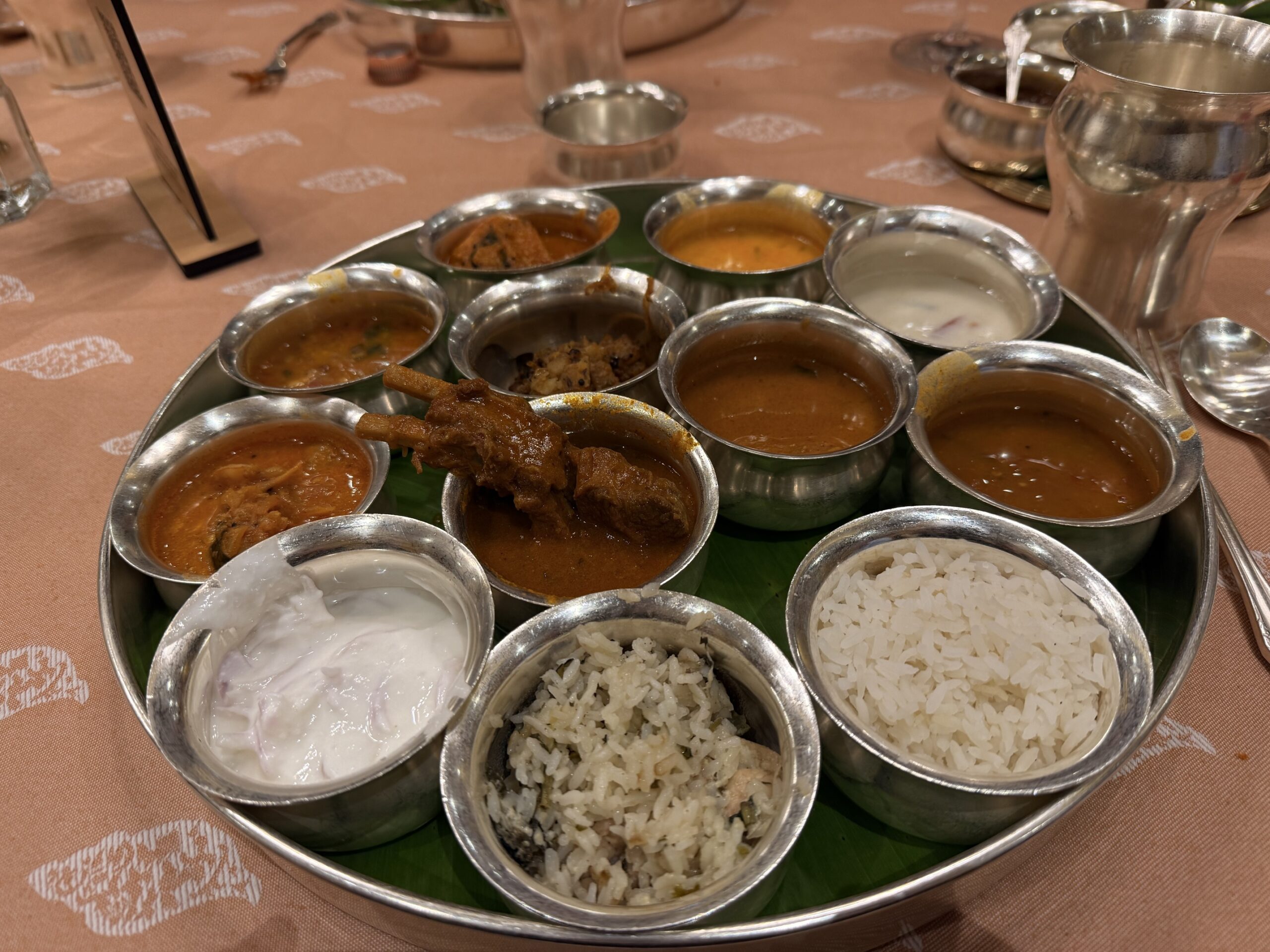
Trying the diverse Indian food available since every region is known for different dishes.
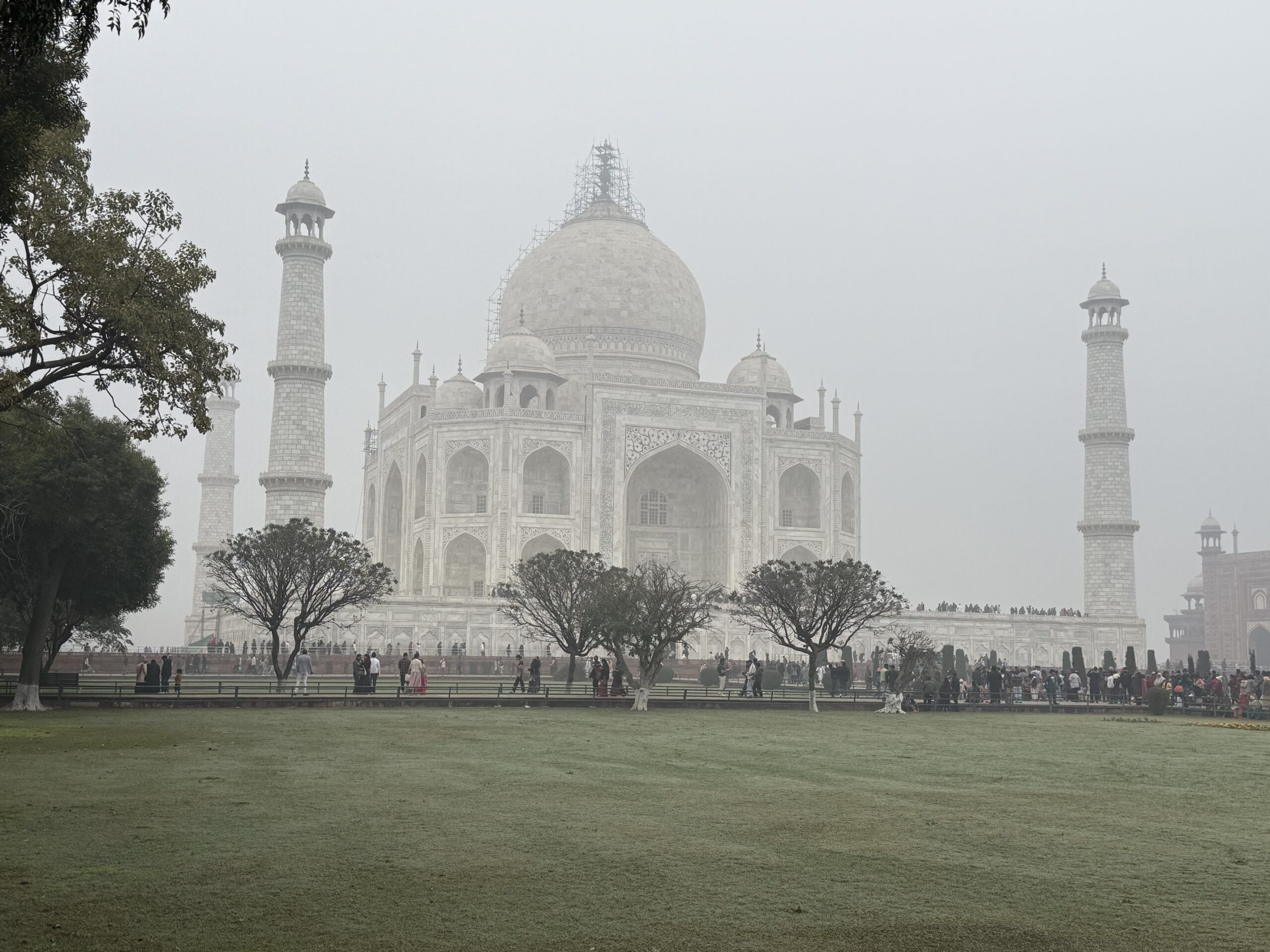
Visiting the Taj Mahal!
Highlight Posts
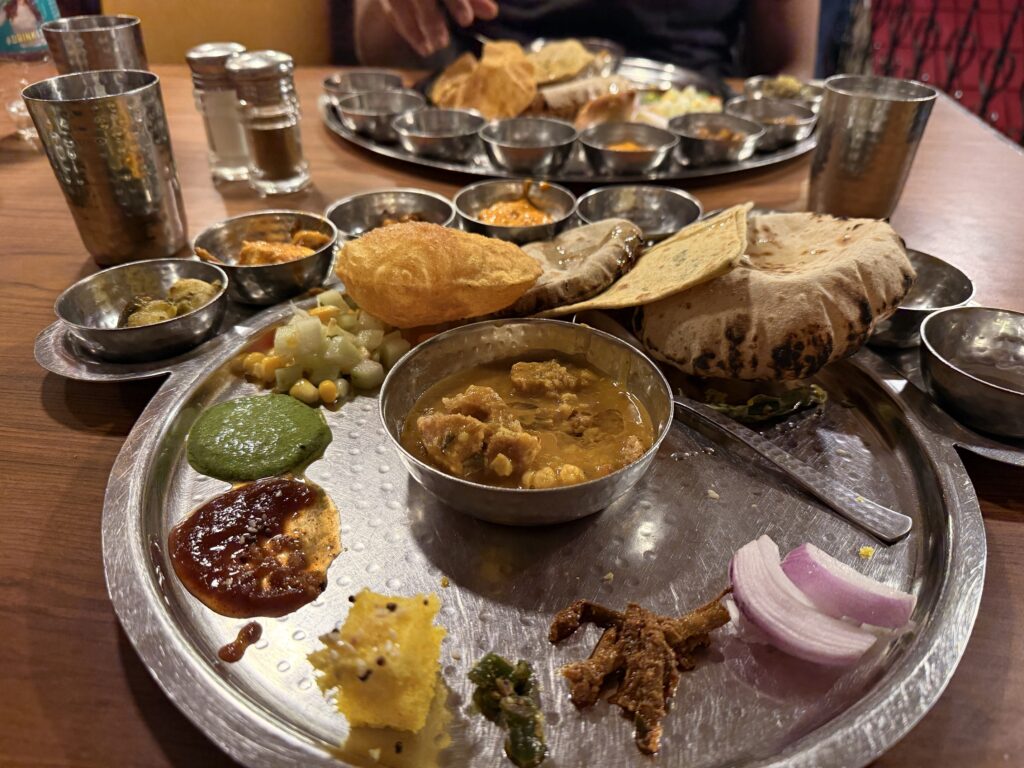
Indian Food to Try: 15 Must-Try Dishes for Every Foodie
Indian Food to Try-Key Highlights Introduction If there is one thing that surprised me most about traveling…
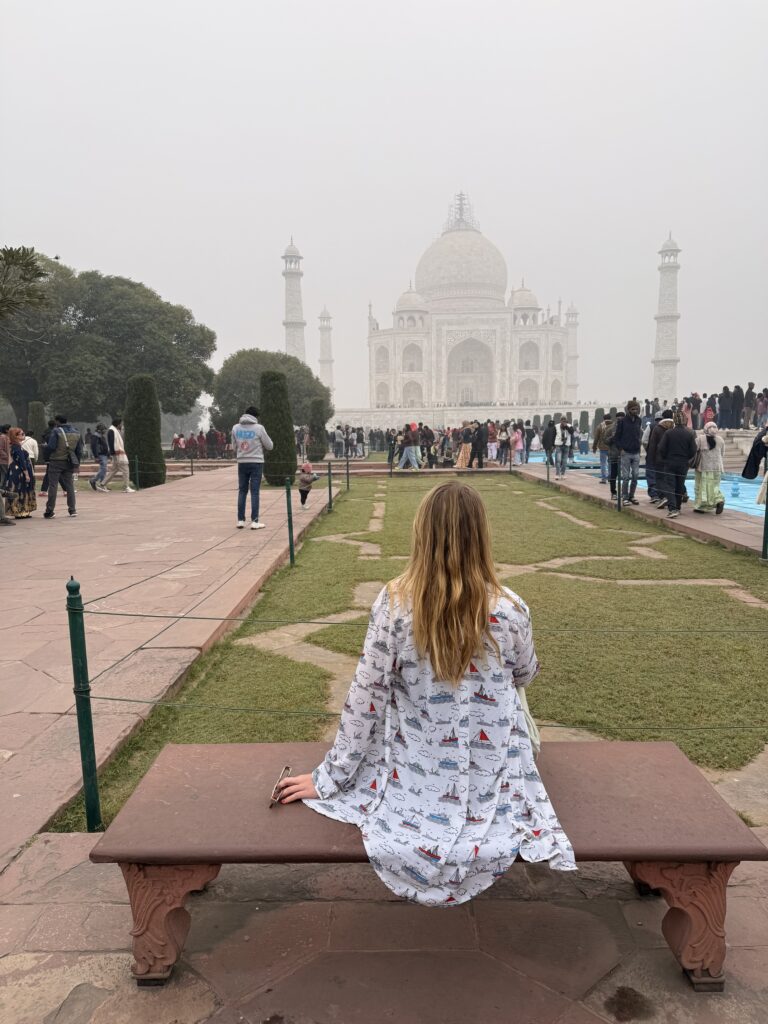
Best Places to Visit in India for Travelers
Best Places to Visit in India-Key Highlights Introduction Narrowing down the best places to visit in India…

Cultural Tips for Foreigners Visiting India: What to Know Before You Go
Cultural Tips for Foreigners Visiting India-Key Highlights Introduction One of the things I love most about traveling…