

What Souvenirs to Buy in India: 12 Things to Bring Home
 ramblingtravel
April 26
8 min read
ramblingtravel
April 26
8 min read
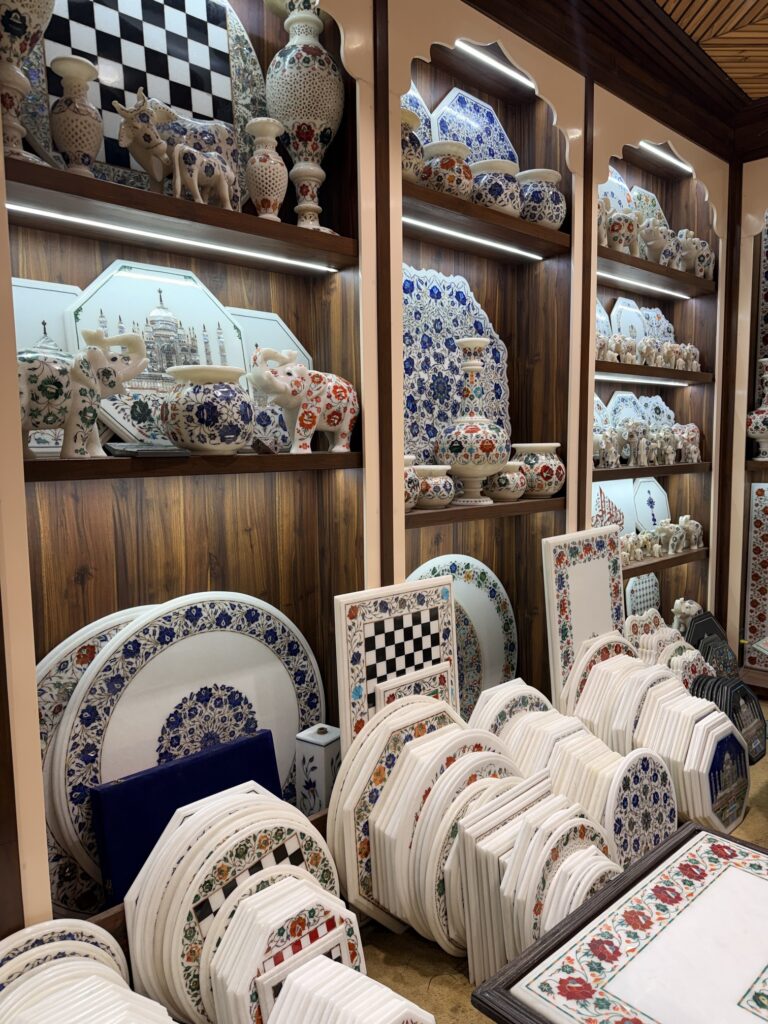
What Souvenirs to Buy in India-Key Highlights
- India produces some of the world’s most beautiful handcrafted textiles, jewelry, and artisan goods.
- Every region has its own specialty. What you find in Rajasthan differs dramatically from what is sold in Kerala or Kolkata.
- Haggling is expected in markets. Start at around half the asking price and negotiate from there.
- Always buy from local artisans where possible; it supports communities directly and guarantees authenticity.
- Leave room in your luggage. You will almost certainly buy more than you planned.
Introduction
I arrived in India with exactly one empty bag and left with two full ones. That tells you everything you need to know about shopping in this country. India is genuinely one of the greatest places on earth to buy souvenirs, not cheap trinkets, but beautiful, meaningful objects that you will use and display for years. Handwoven textiles, intricate jewelry, fragrant spices, ancient craft traditions, and artisan goods that carry centuries of technique behind them. Whether you have 500 rupees to spend or 50,000, India has something that will stop you in your tracks. Here are 12 souvenirs worth tracking down.
1. Pashmina Shawls and Scarves
A genuine Kashmiri pashmina is one of the most luxurious and practical souvenirs you can bring home from India. Made from the fine wool of Pashmina goats raised in the high altitudes of Kashmir, authentic pashminas are incredibly soft, lightweight, and warm, and they only get softer with wear. They come in a beautiful range of colors and patterns. Be cautious of imitations: look for a certification of authenticity, buy from reputable shops or government-certified emporiums, and know that real pashminas are never cheap. You will find them in Kashmir, Delhi’s Dilli Haat, and Kashmiri emporiums across the country.
2. Indian Spices
One of the most practical and delicious souvenirs from India is a collection of the freshest, most aromatic spices you have ever smelled. Pick up whole cardamom pods, rich Kashmiri saffron threads, vibrant turmeric powder, fragrant cumin, and blended masala mixes from any local market. The variety is extraordinary, and the quality is incomparable to what you find at home. Pack them in sealed bags, and they will perfume your luggage for the entire journey. Spice markets in Hyderabad, Kochi’s Mattancherry district, and Old Delhi’s Khari Baoli are legendary.
3. Darjeeling Tea
Known as the champagne of teas, Darjeeling first flush tea has a delicate, floral flavor profile unlike any other tea in the world. Buy it loose-leaf from a trusted tea shop or directly from one of the many reputable tea brands found at airport shops and specialty stores. Other Indian teas worth bringing home include Assam black tea (bold and malty, perfect for chai) and the aromatic Nilgiri teas from southern India.
4. Indian Jewelry
From intricately worked silver earrings and traditional Rajasthani lac bangles to temple jewelry with semi-precious stones, India’s jewelry scene is extraordinary. Jaipur is the gem capital of India — a hub for sapphires, rubies, emeralds, and intricate gold work. In Delhi’s Chandni Chowk, whole lanes are dedicated to nothing but jewelry. In Rajasthan, pick up colorful meenakari enamel work. Whatever your style or budget, India’s jewelry will find you.
5. Block-Printed Textiles
The block-printing tradition of Rajasthan is one of India’s most beautiful and ancient crafts. Artisans carve intricate patterns into wooden blocks, then hand-stamp them repeatedly onto fabric using natural dyes, producing bedsheets, tablecloths, cushion covers, scarves, and clothing of extraordinary beauty. Jaipur and the village of Bagru are the best places to buy authentic block-printed textiles. Look for slightly imperfect prints. That is how you know it is genuinely handmade.
6. Brass and Bronze Figures
India’s religious iconography is a source of some of the most beautiful decorative objects in the world. Brass figures of Ganesha, Shiva, Lakshmi, and the dancing Nataraja are made using ancient lost-wax casting techniques and can be found across the country, from small devotional figurines to impressive statement pieces. The Moradabad district of Uttar Pradesh is famous as the brass capital of India. Treat them as the cultural objects they are, research what each figure represents, and handle them respectfully.
7. Jaipur Blue Pottery
Blue pottery is one of the most distinctive and recognizable craft traditions in India. Despite the name, Jaipur’s blue pottery technique actually originated in Persia and arrived in India via the Mughals. The pieces, plates, vases, bowls, doorknobs, and tiles are made from a quartz paste rather than clay and decorated with cobalt blue designs, flowers, and geometric patterns. They are striking, functional, and unlike anything else you will find anywhere. Buy them in Jaipur from established pottery workshops.
8. Kashmiri Handwoven Carpets
Kashmiri carpets are widely regarded as some of the finest handmade carpets in the world. Each one takes months or even years to complete, with intricate geometric and floral designs knotted by hand in silk, wool, or a combination of both. They are an investment piece, beautiful, durable, and only increasing in value over time. Always buy from certified dealers who can provide documentation of authenticity. If a hand-knotted Kashmiri carpet sounds like too much to carry home, look for miniature versions or similar crafts from Rajasthan.
9. Incense and Attars (Natural Perfumes)
India has a deep tradition of using fragrance for spiritual practice and daily life. Nag Champa incense, named for a flower, is the iconic Indian incense that you will recognize from the first stick. More precious are the attars, traditional Indian perfumes made from pure botanical essences and aged in sandalwood oil. Rose, jasmine, and oud are popular varieties. Kannauj in Uttar Pradesh is the historic center of Indian attar production. These are beautifully portable, wonderful gifts, and deeply evocative of the country every time you smell them.
10. Indian Clothing — Kurtas and Salwar Kameez
Buying clothes in India is one of life’s great pleasures. Lightweight cotton kurtas (long, loose tunics worn by men and women) make perfect travel clothes and excellent practical souvenirs. Salwar kameez sets with a tunic and loose trousers are beautiful and very wearable back home. The fabrics, prints, and embroidery work vary dramatically by region. In Delhi’s Lajpat Nagar or Sarojini Nagar markets, you can find excellent quality at very accessible prices. In Jaipur and Rajasthan, look for richly embroidered pieces with mirror work and traditional embroidery.
11. Indian Sweets (Mithai)
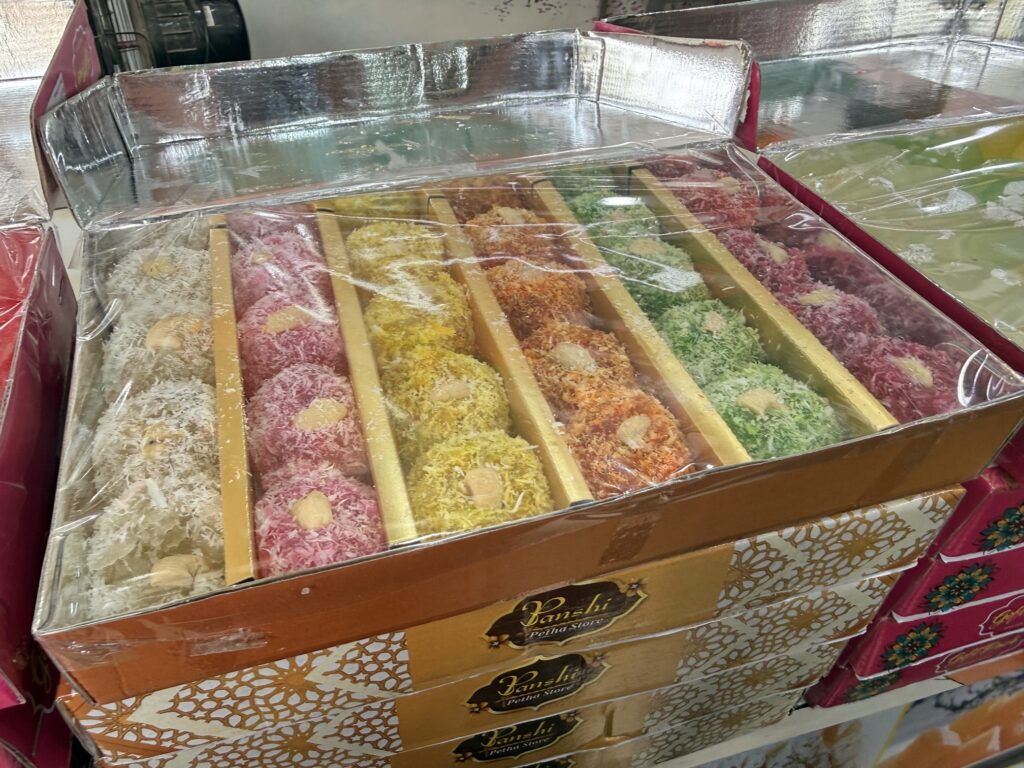
If you want to give a truly Indian gift to friends and family at home, nothing beats a beautifully packaged box of mithai, Indian sweets. Kaju katli (cashew fudge dusted in edible silver), barfi (a dense milk-based fudge with flavors like pistachio, rose, and saffron), and ladoos (round ghee-and-flour balls often used in celebrations) are all excellent choices. Most have a decent shelf life and travel well. Buy from reputable sweet shops rather than market stalls for food safety.
12. Miniature Paintings
The tradition of Indian miniature painting stretches back to the Mughal era. Tiny, extraordinarily detailed paintings on silk, ivory leaf, marble, or paper depict scenes from court life, mythology, nature, and portraits. Rajasthan’s Mughal miniature tradition is the most famous, but each region has its own style. Madhubani paintings from Bihar are vivid and folk-art inspired; Pattachitra from Odisha depicts mythological scenes on palm leaf and cloth. These are genuine artworks with centuries of tradition behind them and make exceptional wall pieces.
Shopping Tips for India
- Pack fragile items like blue pottery and brass figures in your checked luggage wrapped in clothing; buy bubble wrap from local stationery shops if needed.
- Haggle in markets. It is expected and part of the experience. Start at 50% of the asking price and work toward a fair middle ground. Always be friendly and good-natured about it.
- Be aware of driver and guide commissions. If you are taken to a particular shop, know that your guide may receive a kickback. Feel free to browse elsewhere.
- Government-run emporiums (look for names like “Central Cottage Industries Emporium” or state emporiums) sell authentic, fairly priced crafts with no haggling required, great for peace of mind.
- Check your home country’s customs rules before buying alcohol, certain plant-based products, or antique items (anything over 100 years old requires an export certificate).
Considering a visit to India? Check out my Complete Travel Guide to India!
Frequently Asked Questions
Where should I shop for souvenirs in India?
Local markets, bazaars, and government-run emporiums are great places to shop. Street markets offer the best variety, while emporiums are good if you want fixed prices and quality assurance.
What should I avoid buying in India?
Avoid items made from endangered animals or restricted materials. It is also worth being cautious with antiques, as some cannot legally be exported.
How do I know if something is authentic?
Look for reputable shops, government emporiums, or places with clear pricing. If something feels too cheap for what it claims to be, it probably is.
Recent Posts
Related Posts
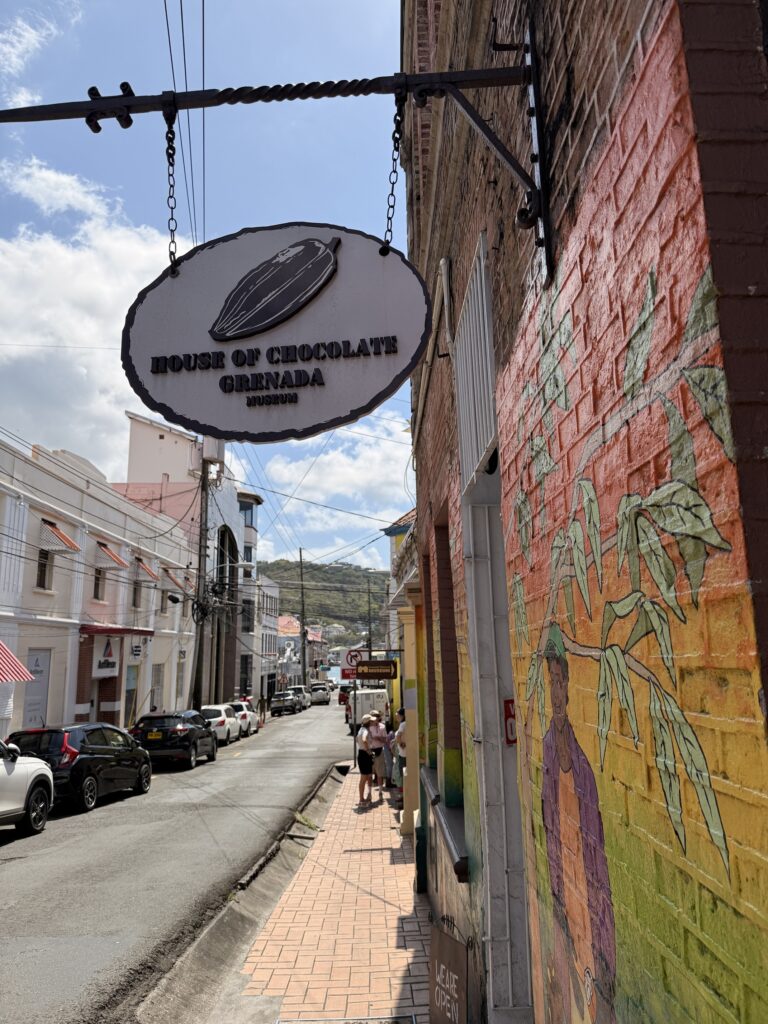
Cultural Events and Activities in Grenada: The Ultimate Guide to the Spice Isle’s Celebrations
Cultural Events and Activities in Grenada- Key Highlights Introduction Culture in Grenada is not something you have…
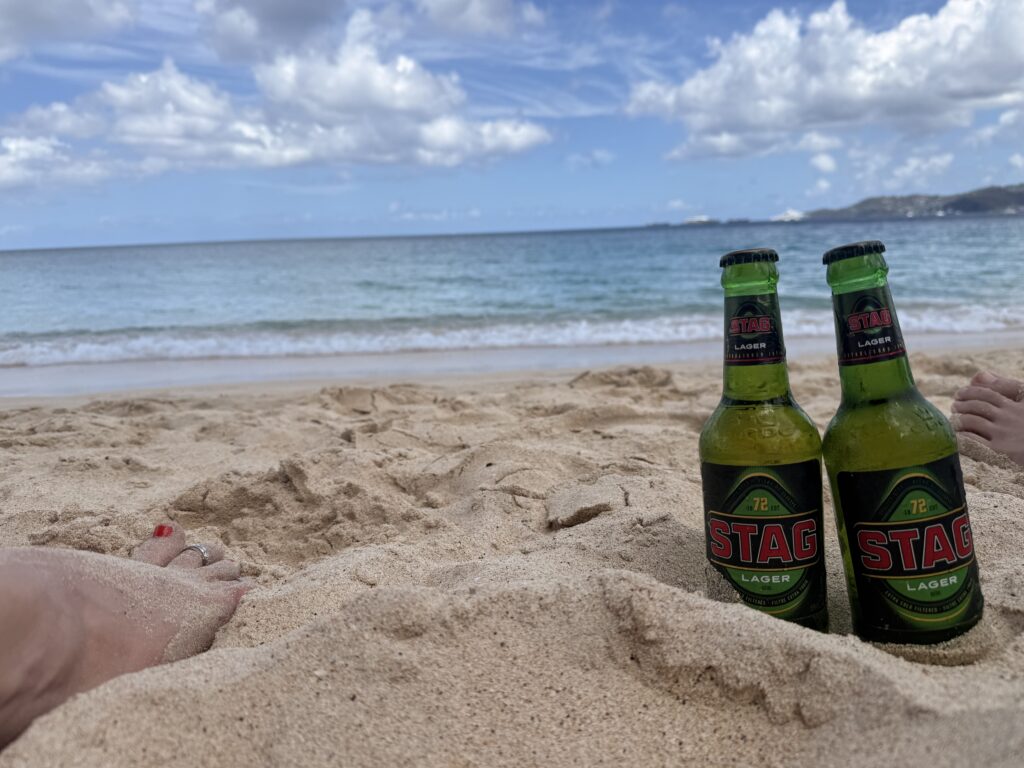
Best Beaches in Grenada: A Guide to the Spice Isle’s Most Beautiful Shores
Best Beaches in Grenada- Key Highlights Introduction I spent a lot of time on Grenada’s beaches. More…
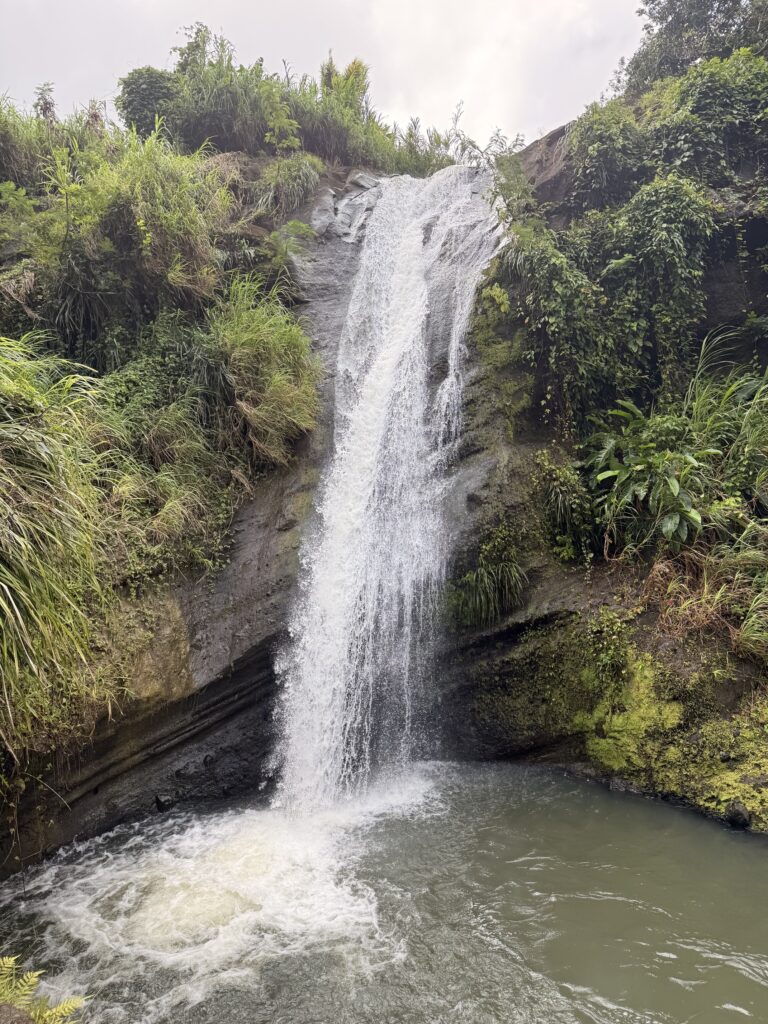
Best Places to Visit in Grenada for Travelers
Best Places to Visit in Grenada- Key Highlights Introduction One of the things I love most about…